Profile
Gucci Westman on the Art of Making Beauty Feel Like Yourself
Kayla M. Walker / Aug 8, 2026

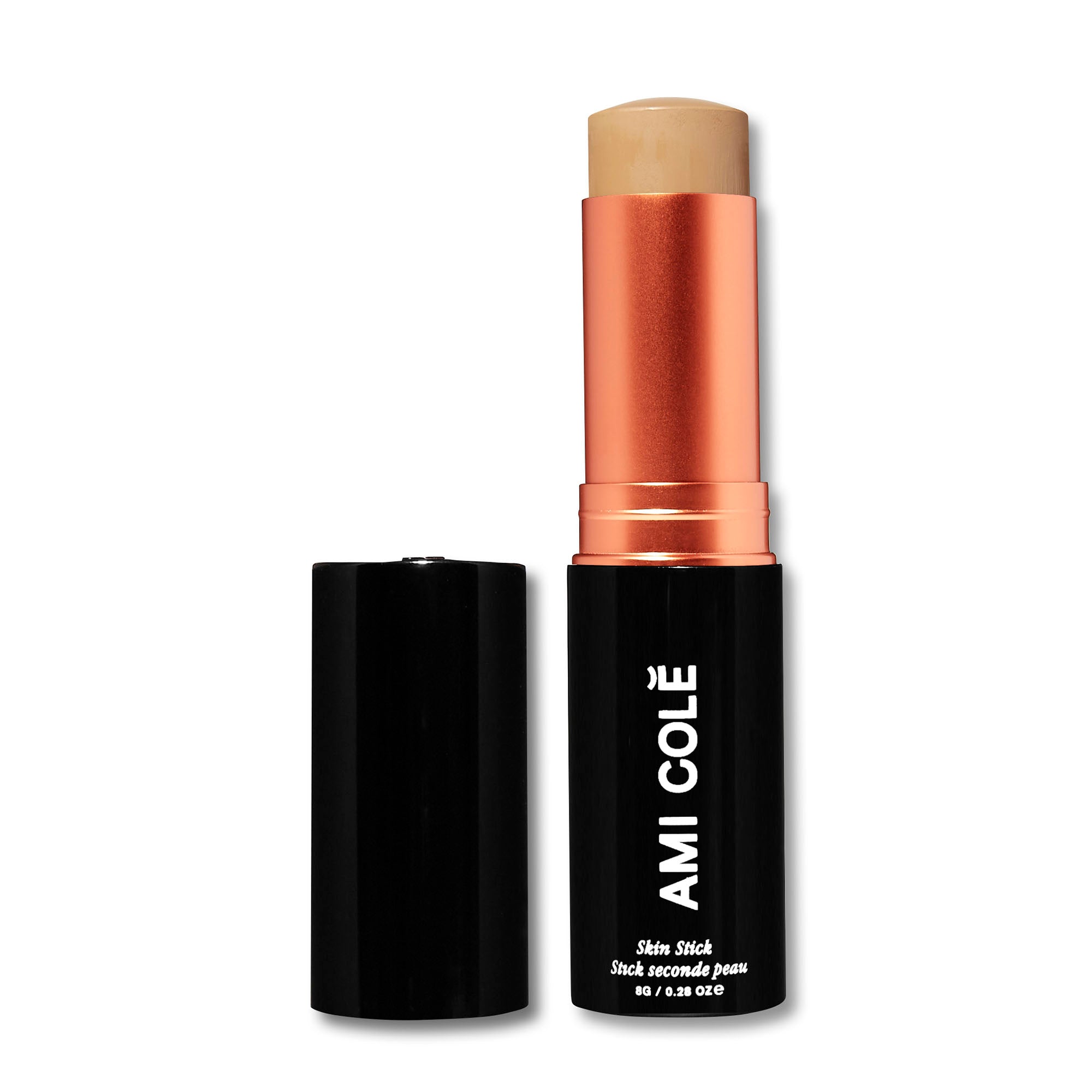
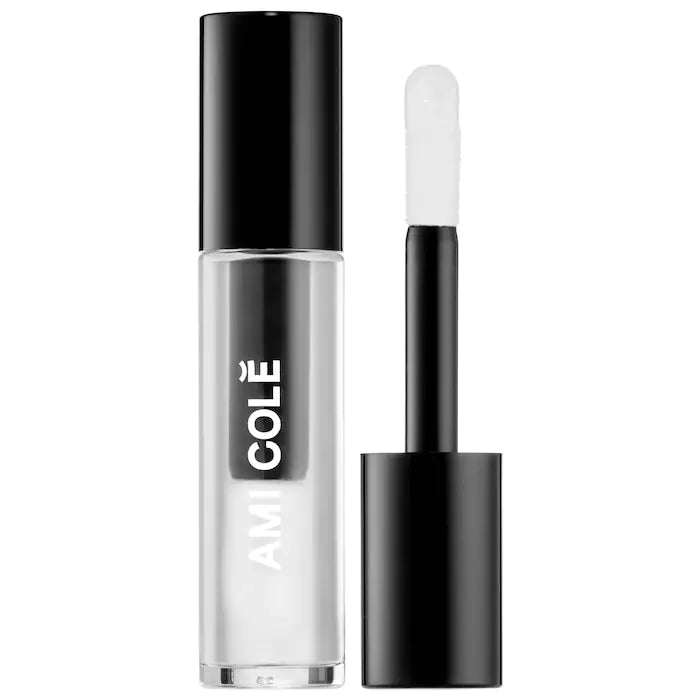
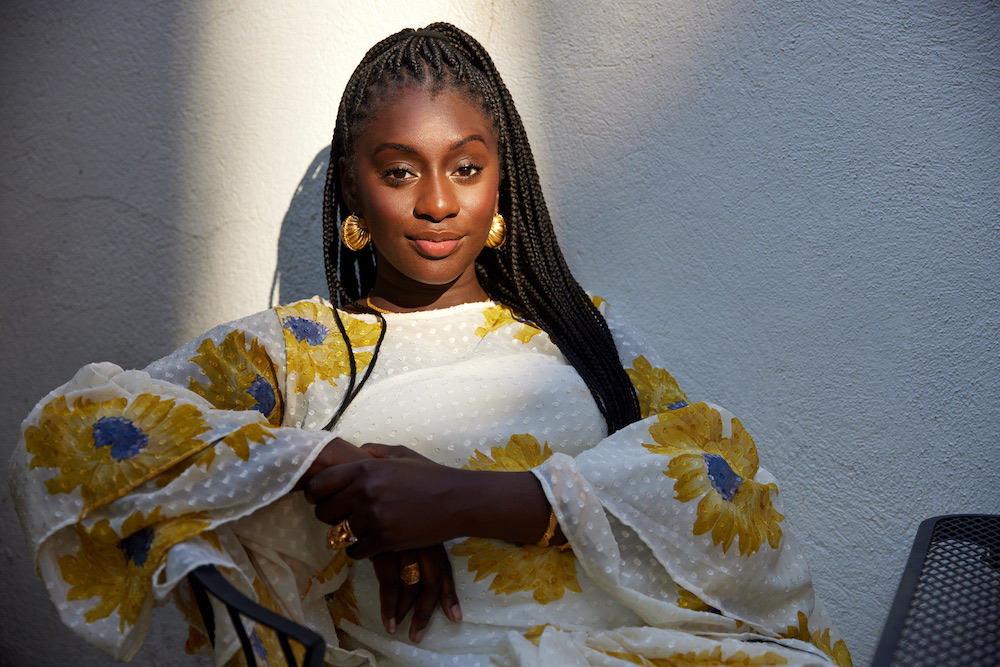
For Ami Colé founder Diarrha N’Diaye-Mbaye, beauty began in her mother’s Harlem salon and grew into a brand built around representation, everyday rituals, and a more considered approach to makeup.
Your relationship with beauty began in your mother’s hair salon in Harlem. What did that environment teach you?
The salon was my first education in beauty and community. My mother emigrated from Dakar, Senegal, and has operated her own braiding salon in Harlem for decades. I grew up watching women come in with different stories, needs, textures, and ideas of themselves. Beauty was never only about appearance. It was also a way of connecting, caring for one another, and taking up space. The women around me were deeply stylish and expressive, even when the wider culture did not always reflect or celebrate them. That environment stayed with me and shaped the kind of experience I wanted Ami Colé to create.

What gap were you trying to address when you began developing Ami Colé?
I started with a very personal need. I wanted makeup that worked with my skin tone and suited the way I actually wanted to show up in the world. For years, I was testing products, mixing formulas, and adapting things that had not been made with me in mind. I also felt that many brands serving women of color stopped at the product itself. There was not always a fuller brand experience that made people feel understood or invited in. Ami Colé came from that frustration, but also from a desire to make everyday makeup feel straightforward, joyful, and relevant to melanin-rich skin.
The brand was named after your mother. How does her influence appear in Ami Colé beyond the name?
My mother represents consistency, resourcefulness, and a very grounded understanding of beauty. She has always believed in the power of taking care of yourself and presenting yourself with intention. She also has a practical relationship with products. She values things that work, last, and become part of your routine. That perspective influenced the way I thought about the collection. I wanted to create familiar beauty essentials with a modern point of view, products that could belong in someone’s daily makeup bag rather than feel intimidating or overly complicated. Naming the brand after her keeps that sense of history and personal connection at its center.

Ami Colé’s approach is often described as enhancing rather than transforming the face. Why was that important to you?
I have always been interested in makeup that allows people to recognize themselves. There is a difference between using beauty to hide and using it to highlight what is already there. I wanted the products to support skin, tone, texture, and expression without asking anyone to become a different version of themselves. That does not mean there is only one way to wear makeup. It means the choice should belong to the person wearing it. For me, the most meaningful beauty products are the ones that help you feel more present and more comfortable in your own face.
You brought customers into the development process before Ami Colé launched. What did you learn from that exchange?
I learned that people are very precise about what they need, even when the industry has not made room for those needs. I spoke with customers, friends, and members of the community about shades, undertones, textures, and the ways they wanted products to fit into their lives. That feedback helped make the development process more honest. It was not about guessing what a customer might want from a distance. It was about listening to people who had been mixing shades, compromising on formulas, or going without altogether. Bringing people along also created a sense of shared investment in the brand before it officially existed.
Your professional background included communications, digital marketing, and product development. How did those experiences prepare you to become a founder?
Each role gave me a different part of the toolkit. My earlier work taught me how brands communicate and how culture moves through media. Working in beauty gave me a close view of the relationship between product, consumer behavior, and storytelling. At Glossier, I learned more about product development and the importance of listening to a community throughout the process. Those experiences also showed me what I wanted to carry forward and what I wanted to do differently. Becoming a founder required bringing all of those perspectives together while learning areas such as finance, operations, hiring, and fundraising in real time.
Ami Colé launched during a period when many companies were publicly confronting the lack of representation in beauty. How did you think about building something lasting within that moment?
The attention on Black consumers created more visibility, but the need itself was not new. Black women had been asking for better products, better shade ranges, and more thoughtful representation for a long time. I wanted Ami Colé to be rooted in that enduring need rather than in a temporary cultural moment. Building a lasting company meant focusing on the quality of the products and the trust of the people using them. It also meant understanding that representation is not complete when a product launches. It has to show up in development, hiring, communication, retail, and the decisions a company makes as it grows.
What has the reality of funding and scaling taught you about the beauty industry?
It taught me that a strong customer response does not remove the structural challenges of building a consumer business. We raised capital after a long period of rejection, and that support allowed us to bring the brand to life. But growth also brings expectations around speed, distribution, marketing, and financial performance. Those expectations do not always align with the slower work required to build a healthy company and serve a specific community well. The experience made clear that inclusion needs more than attention or enthusiasm. It requires sustained resources, patience, and a willingness to support founders beyond the first exciting moment.
Ami Colé became known for products that customers incorporated into everyday routines. What makes a beauty product become a ritual?
A ritual begins with trust. People return to a product when it performs consistently, feels good to use, and fits naturally into their lives. I am drawn to products that are intuitive and uncomplicated, but still feel special. The emotional part matters too. Beauty can be a small moment of care before a busy day, a way to reconnect with yourself, or something shared between friends. That is why the product experience and the wider world of a brand are connected. The formula has to work, but the person using it should also feel that the product was made with a real understanding of them.
Ami Colé announced its closure in 2025. What do you hope people understand about the company and what it accomplished?
I hope people understand that the brand’s closure does not erase the work or the need that brought it into being. Ami Colé created products for people who had often been asked to adapt themselves to the industry. It gave customers a chance to see their skin, culture, and everyday beauty reflected with care. I am proud of the team that built it and of the community that supported us from the beginning. The experience also revealed how difficult it remains for an independent, Black-founded brand to compete with companies that have far greater resources. I still believe deeply in beauty, and I believe the work of making the industry more thoughtful continues.