Profile
Gucci Westman on the Art of Making Beauty Feel Like Yourself
Kayla M. Walker / Aug 8, 2026

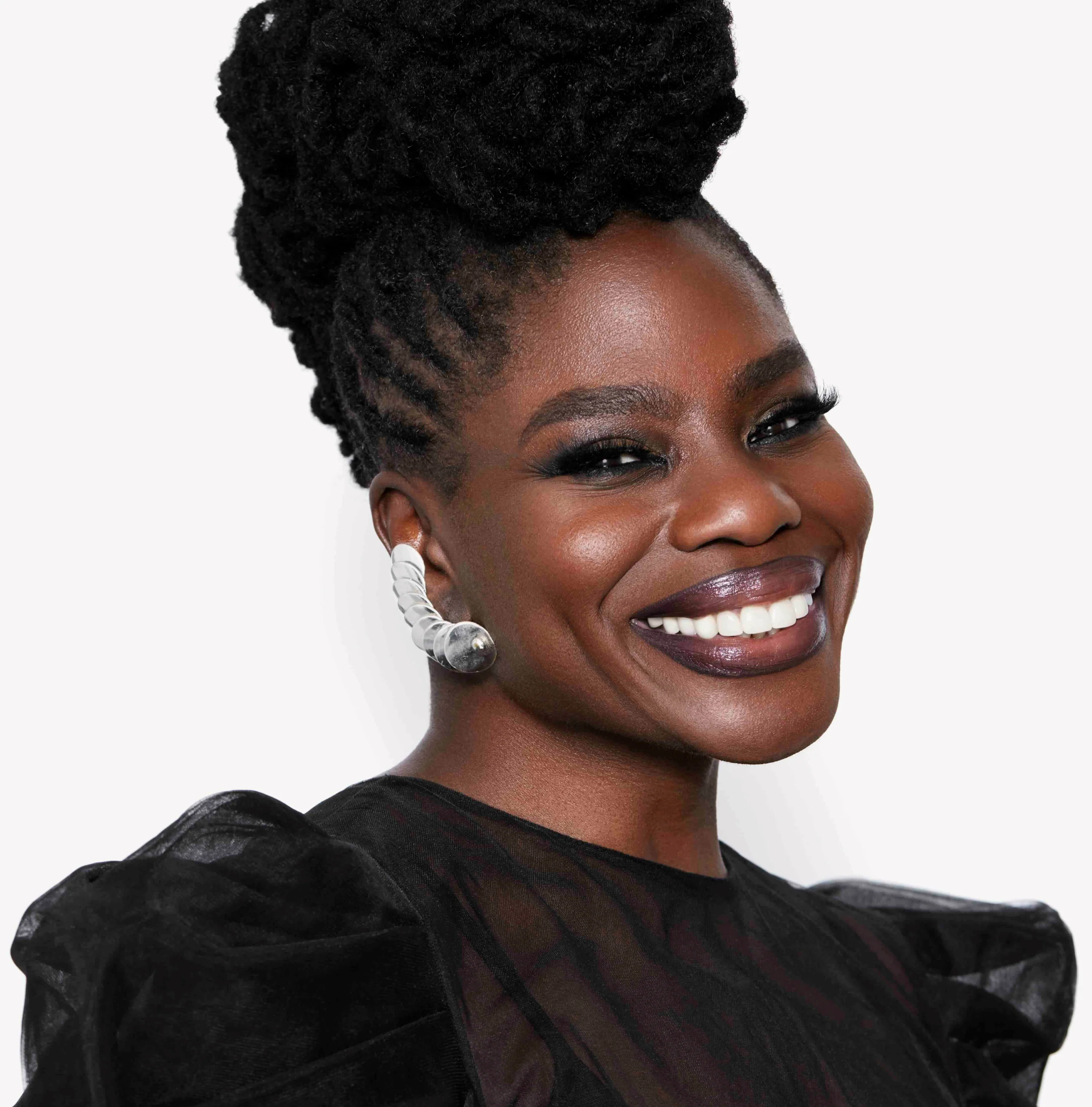
For Danessa Myricks, makeup is a creative language shaped by necessity, experimentation, and the belief that everyone should be able to see themselves in the beauty industry.
Your path into makeup was unconventional. How did your early career shape the way you approach beauty today?
I entered the beauty industry through publishing rather than formal makeup training. Working around beauty editors and artists gave me an early view of the creative possibilities of makeup, but I was also aware that the world I was seeing did not always feel accessible to me. When my job disappeared, I began exploring makeup as a way to build a more flexible life. I taught myself through research, practice, and observation. That experience continues to influence me because it taught me to stay curious, trust experimentation, and understand that there is rarely only one correct way to use a product.
What did you notice was missing from the beauty industry when you began working as an artist?
I saw a very narrow idea of who makeup was being created for. The available shades and formulas did not always translate across the full range of skin tones, particularly medium to deep complexions. As an artist, I was constantly adapting products, mixing textures, and finding ways to create the colors and finishes I needed. I began to understand that many of the things artists were doing behind the scenes could become useful products in their own right. The gap was not simply about shade range. It was also about imagination, usefulness, and making room for more people to participate in beauty.
How did the practical challenges of working as a makeup artist become part of your product development process?
Necessity made me inventive. I was mixing and layering products because I needed textures, colors, and finishes that were not readily available. I would create combinations that could work across the eyes, lips, cheeks, and skin, depending on the look. That way of working became central to how I think about product design. I am interested in formulas that give people options rather than prescribing one fixed result. Artists need flexibility, and consumers do too. A product should invite experimentation and make it easier for someone to develop their own technique.
Danessa Myricks Beauty began in 2015. What did you want the brand to make possible?
I wanted to create the kind of brand I had been looking for throughout my career. I had worked with many companies and understood how strongly a brand’s assumptions could shape its products, imagery, and education. I wanted Danessa Myricks Beauty to begin from a broader point of view, one that recognized different skin tones, identities, skill levels, and creative ambitions. The goal was not only to make more inclusive products. It was to help people feel that makeup belonged to them and that they could use it in a way that reflected who they were.

The brand is closely connected to professional artistry, yet it also speaks to people who are new to makeup. How do you balance those audiences?
I do not see those audiences as separate. Professional artists and beginners may have different levels of experience, but both need products that perform and offer room to explore. Artists often want versatility because they are working with many faces and creative briefs. Someone learning at home may want the same versatility because it gives them permission to try something without needing a large kit. Education is important in that process. When people understand what a product can do, they gain confidence and can move beyond the instructions on the package.
Education has been an important part of your work. Why does it matter so much to you?
Education can change the relationship someone has with makeup. It gives people the tools to understand their own face, their own features, and the effect they want to create. I learned largely by teaching myself, so I know how powerful access to information can be. Education also helps challenge the idea that there is one universal technique or one definition of beauty. When we share knowledge, we create more artists and more confident makeup users. We also make the industry more welcoming to people who may not have seen themselves represented in traditional beauty spaces.
Your work often moves between subtle skin and bold color. What connects those two sides of your creative practice?
Both begin with the same question: what do you want the makeup to do? Sometimes the answer is to refine the appearance of the skin and create a finish that remains skin-like. Sometimes it is to use color, shine, or texture in a more expressive way. I do not believe those approaches are opposites. Skin can be creative, and color can be wearable. My interest is in giving people enough control to move between them. Makeup should be able to support a quiet moment, a professional setting, or a highly imaginative look without asking someone to change who they are.
How has being self-taught affected your approach to leadership and innovation?
Being self-taught made me comfortable with asking questions and looking for answers in unexpected places. I did not begin with a prescribed path, so I learned to build one through practice. That has made me attentive to people who are still finding their way and to ideas that may not fit established industry habits. It also taught me that innovation is often connected to paying attention to a problem for a long time. When you keep working with a challenge, you begin to see opportunities that may not be obvious at first.

What does representation mean to you beyond shade range?
Representation needs to be present in the products, the education, the imagery, and the people who are given room to lead. Shade range is essential, but it is not the whole conversation. People also need to see different approaches to beauty and different reasons for wearing makeup. Some people use it to feel polished, some use it as a form of self-expression, and some use it as part of their professional craft. A truly inclusive beauty culture allows all of those experiences to exist without ranking one above another.
After building a brand around your own name, what responsibility do you feel toward the community that has grown with it?
A brand connected to a person carries a particular kind of responsibility. People are not only responding to products. They are responding to the values and possibilities they associate with the brand. I take that seriously. I want the work to remain useful, imaginative, and connected to the people who helped make it possible. That means continuing to listen, continuing to improve, and continuing to create products that give people more freedom. The most meaningful response is hearing from someone who once felt overlooked and now feels that there is a place for them in beauty.