Profile
David and Sybil Yurman: A Life in Art, Made Wearable
Hannah R. Harris / Nov 20, 2025

For founder Choo Yilin, jade and fine jewellery offer a way to carry Asian heritage forward through pieces shaped by memory, craft, and personal meaning.

Choo Yilin began making jewellery in 2004 as a side project to her work as a political research analyst. Time spent working with hilltribe artisans in Bangkok led her toward jadeite, the gemstone that became the foundation of her eponymous label, rooted in Singaporean and Southeast Asian heritage.
Before Choo Yilin became a fine jewellery label, what first drew you to jewellery as a medium?
Jewellery began as a side business and a creative counterpoint to my work as a political research analyst. I started making pieces in 2004, during a period when I was working in a very intense, analytical environment. Designing jewellery gave me a different way to think and make. When I moved to Bangkok in 2007, I began working with hilltribe artisans and became interested in how craft could preserve cultural knowledge while also creating employment and income. That experience encouraged me to develop jewellery into a full time practice. From the beginning, I wanted the work to have social meaning, not simply commercial value.
How did your time in Thailand shape the direction of the brand?
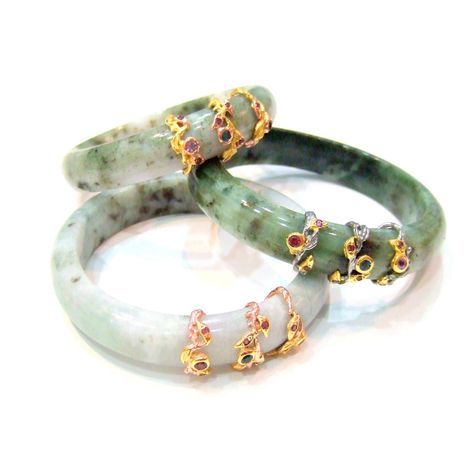
Thailand was important because it brought me closer to communities whose craft traditions were rich, but whose economic circumstances were often difficult. I worked with hilltribe artisans and saw the possibility of supporting their cultural art forms through meaningful commercial work rather than relying only on charity. The experience also made me think more deeply about the relationship between design, heritage, and responsibility. In the early stages, we worked with different materials and craft techniques. Over time, the brand found its distinctive language through jadeite, a gemstone with deep cultural significance across Asia. Jewellery became a way to tell stories about people, places, and traditions.
What made jade feel like the right gemstone for Choo Yilin?
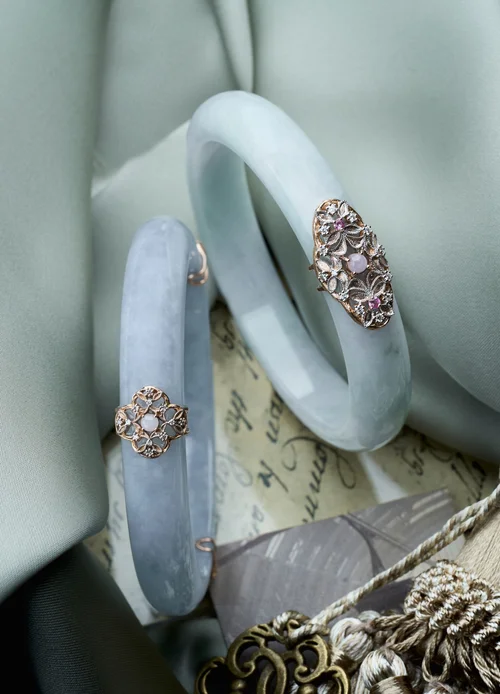
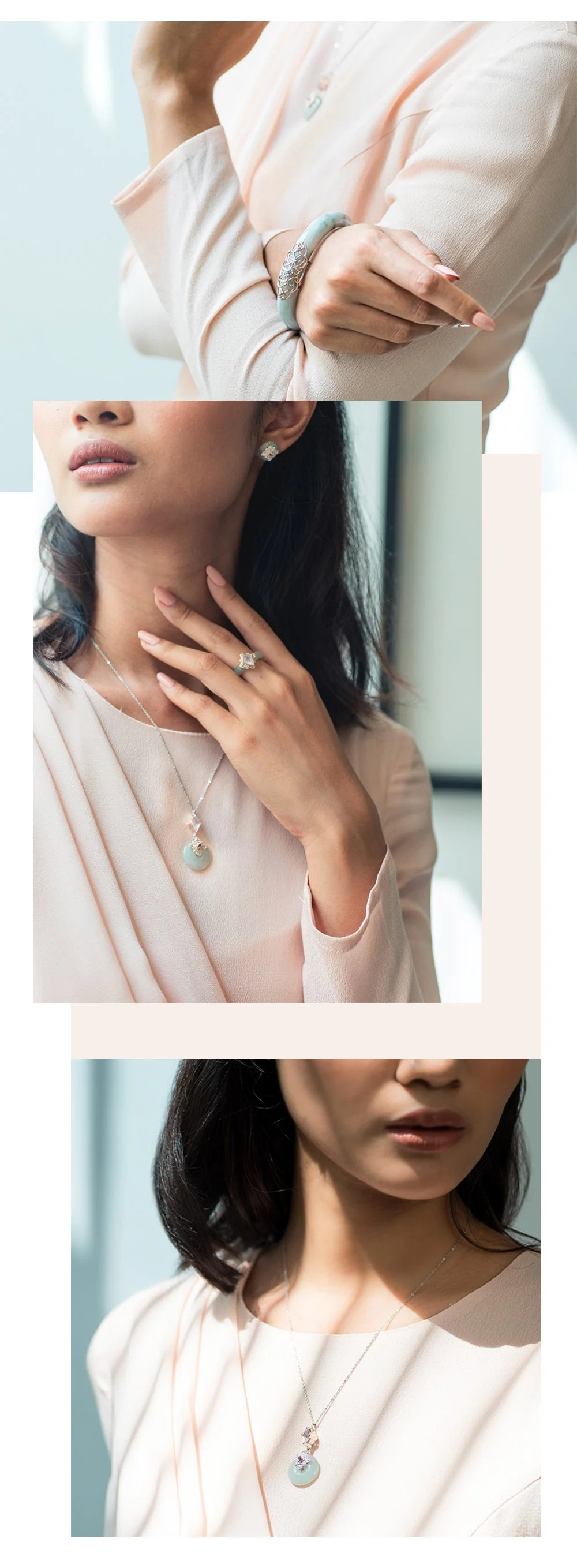
Jade has an importance in Asia that extends beyond its material beauty. It carries associations with family, tradition, protection, and continuity, yet it was often treated as something reserved for older generations. I was interested in creating a connection between that history and the way contemporary women might want to wear jewellery today. We work primarily with handpicked Type A jadeite, alongside diamonds and coloured gemstones, and use metalwork to give the pieces a more intricate and modern character. Jade allows us to begin with something deeply familiar, then explore it through new proportions, colours, settings, and forms.
The brand is closely associated with Singaporean and Southeast Asian heritage. How do you approach that material without reducing it to decoration?
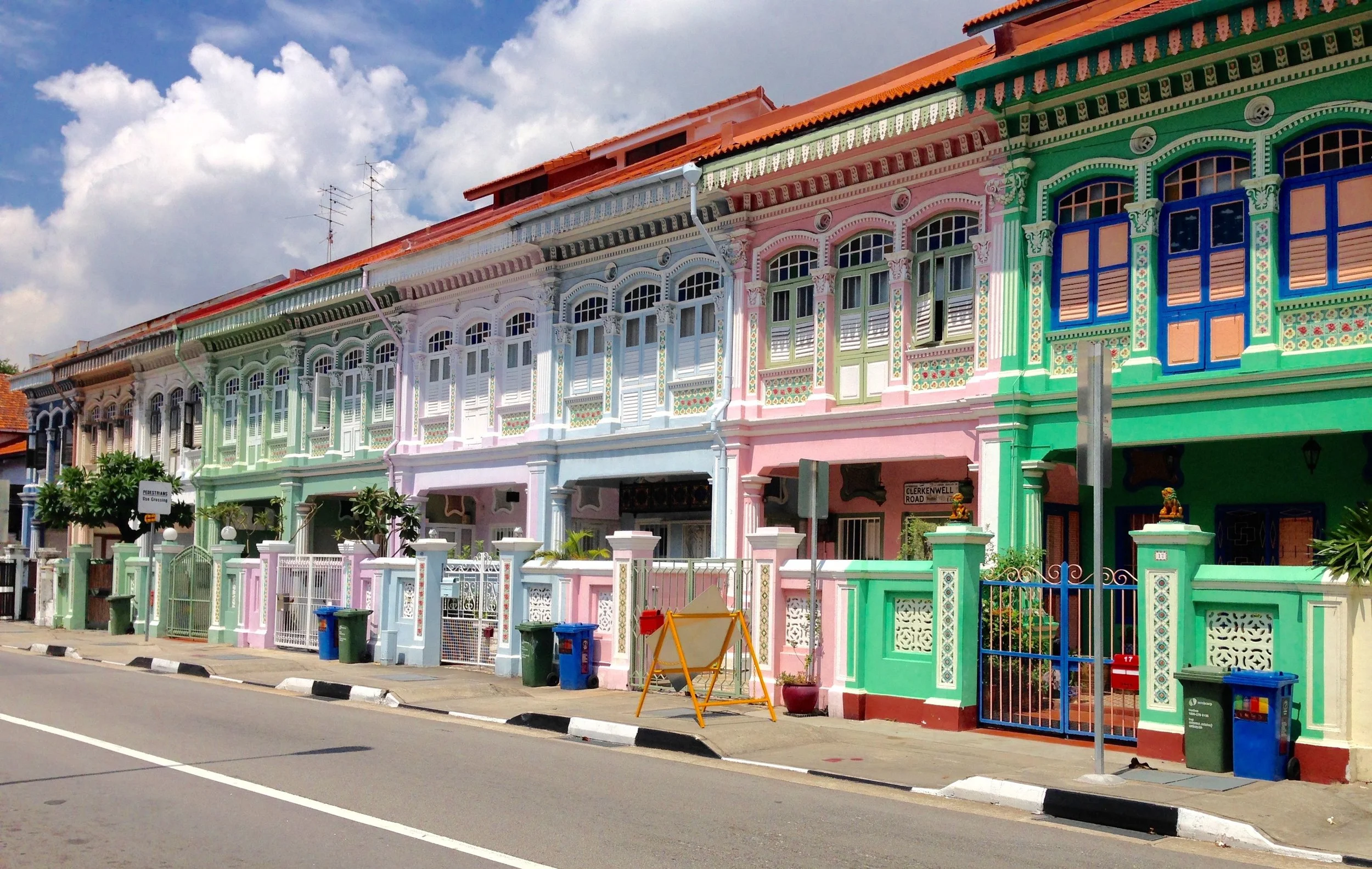
Heritage has to be approached with care and curiosity. We do not treat it as a surface or a set of motifs to be applied after the design is complete. It is the starting point for understanding how a garment, object, building, or tradition came to exist. The first Peranakan Collection, for example, drew from the many cultural influences found in Joo Chiat, the heritage neighbourhood where my family has lived and where the studio began. We also look to the wider region, including the kebaya and the diverse histories of Southeast Asia. The aim is to translate those references into jewellery that feels considered, rather than literal.
What does the design process look like once a story has been identified?
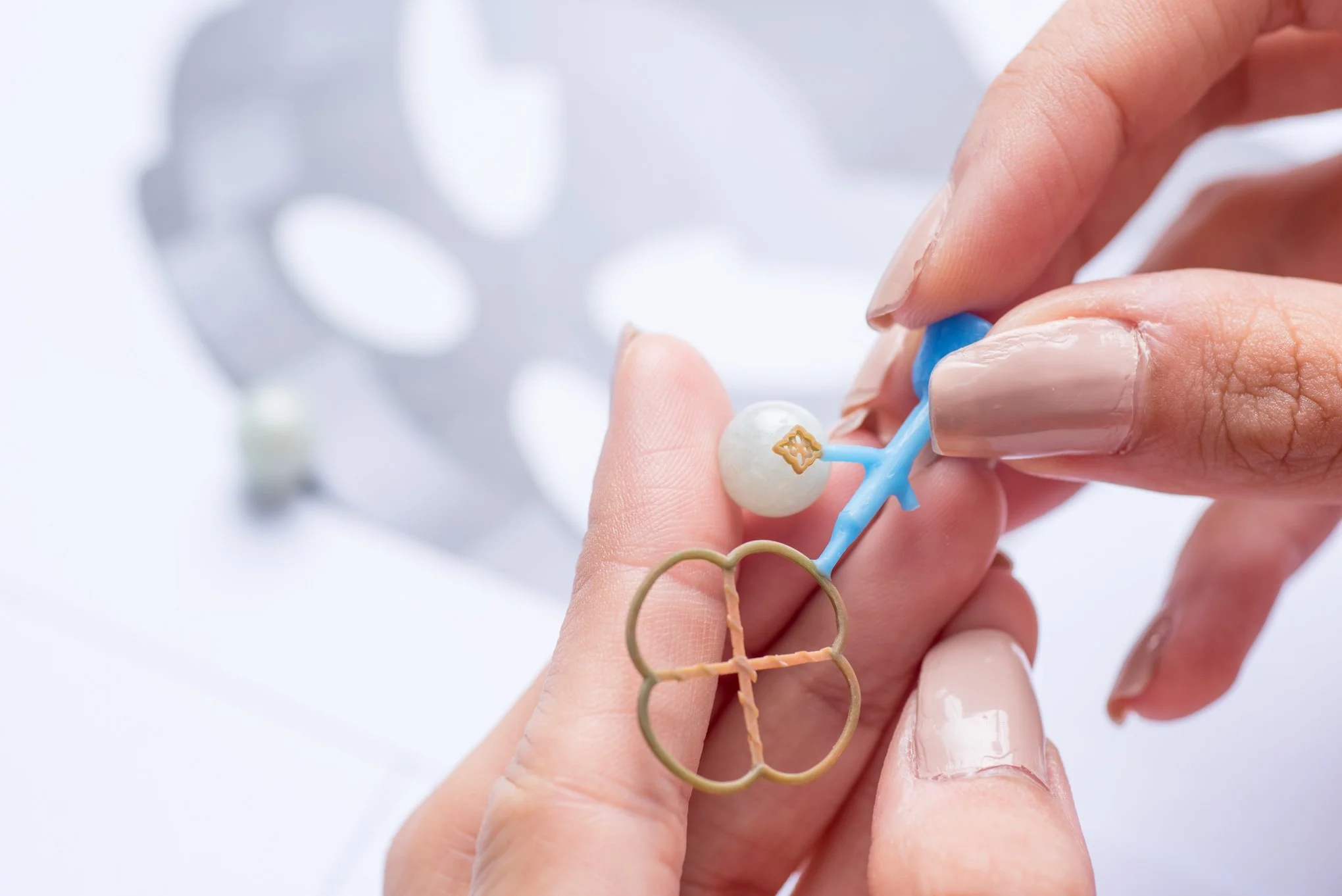
A new collection can take at least a year to develop. We begin with a source of inspiration, then move through research, conceptual exploration, sketches, testing, and sampling. There are usually many iterations before a piece reaches its final form. Gemstones, proportions, metalwork, and wearability all need to work together. We collaborate closely with master artisans across the region, and their technical knowledge is essential to the outcome. The time involved is one reason our jewellery is produced in limited quantities. Each piece is made by hand, with close attention to detail, and the process depends on patience rather than speed.
Your work often describes jewellery as an heirloom. What does that word mean to you?
An heirloom is not simply an expensive object that survives for a long time. It becomes meaningful because it is connected to a person, a relationship, or an important moment. That might be an engagement, a wedding, an anniversary, a family milestone, or a private act of becoming. We are interested in reimagining heirloom jewellery for the present, so that it can carry the emotional weight of tradition while still feeling relevant to the person wearing it. Ideally, a piece gathers more meaning over time. It becomes a physical reminder of where someone has been and what they have carried forward.
Your Estate Collection brought antique jewellery into conversation with new design. What did those older pieces teach you?
The pieces in the Estate Collection came from different periods and places, including Victorian England and colonial Asia. I was drawn to them because of the stories they carried, but also because of the quality of their construction and the knowledge embedded in their forms. Some required restoration by artisans with highly specialised skills. We worked with the existing structures rather than treating them as blank materials, adding jadeite, pearls, or diamonds where appropriate and allowing the original character to remain visible. The collection became a way to acknowledge the makers who came before us. Our work exists in conversation with those earlier traditions.
Choo Yilin took a significant pause after its first decade. What did that period make possible?
The hiatus gave us the time to reconsider the business as well as the creative direction. In 2019, the brand had reached important milestones, but we realised that the infrastructure supporting it would need to change if we were going to grow internationally. We needed to rebuild, restructure, and think more carefully about the relationship between operations and transformation. The pause also allowed us to return to the brand's central purpose, which is telling important stories of heritage, love, and becoming. It was not about repeating the same model at a larger scale. It was an opportunity to clarify what the next chapter should be.
How has that reflection affected the way the brand operates now?
We are more focused on artistic growth and storytelling than on following a conventional retail model. Mass retail is not the right approach for the brand at this stage. Our work is made in limited quantities, and we want the way people encounter it to reflect the care and thought behind each piece. The return began with a digital gallery for the Estate Collection, followed by limited digital pop ups. This format gives us space to introduce a collection or story with the attention it deserves. The brand will continue to evolve, but the direction feels clear when it remains anchored in its heritage and its design identity.
What do you hope people understand when they encounter a Choo Yilin piece?
I hope they see more than a gemstone or a decorative object. I hope they recognise the story, the craft, and the people connected to the piece. Jewellery can create a relationship between the past and the present, but it can also be deeply personal. Someone may choose a piece because it reflects their heritage, marks a turning point, or simply speaks to the person they are becoming. Our responsibility is to make work that can hold those meanings without becoming overworked or overly explained. If a piece gives someone a sense of connection, pride, or continuity, then it has achieved something important.