Profile
David and Sybil Yurman: A Life in Art, Made Wearable
Hannah R. Harris / Nov 20, 2025

For Alex and Ani founder Carolyn Rafaelian, jewelry became a way to connect design, personal identity, family, and giving through objects intended to carry significance.
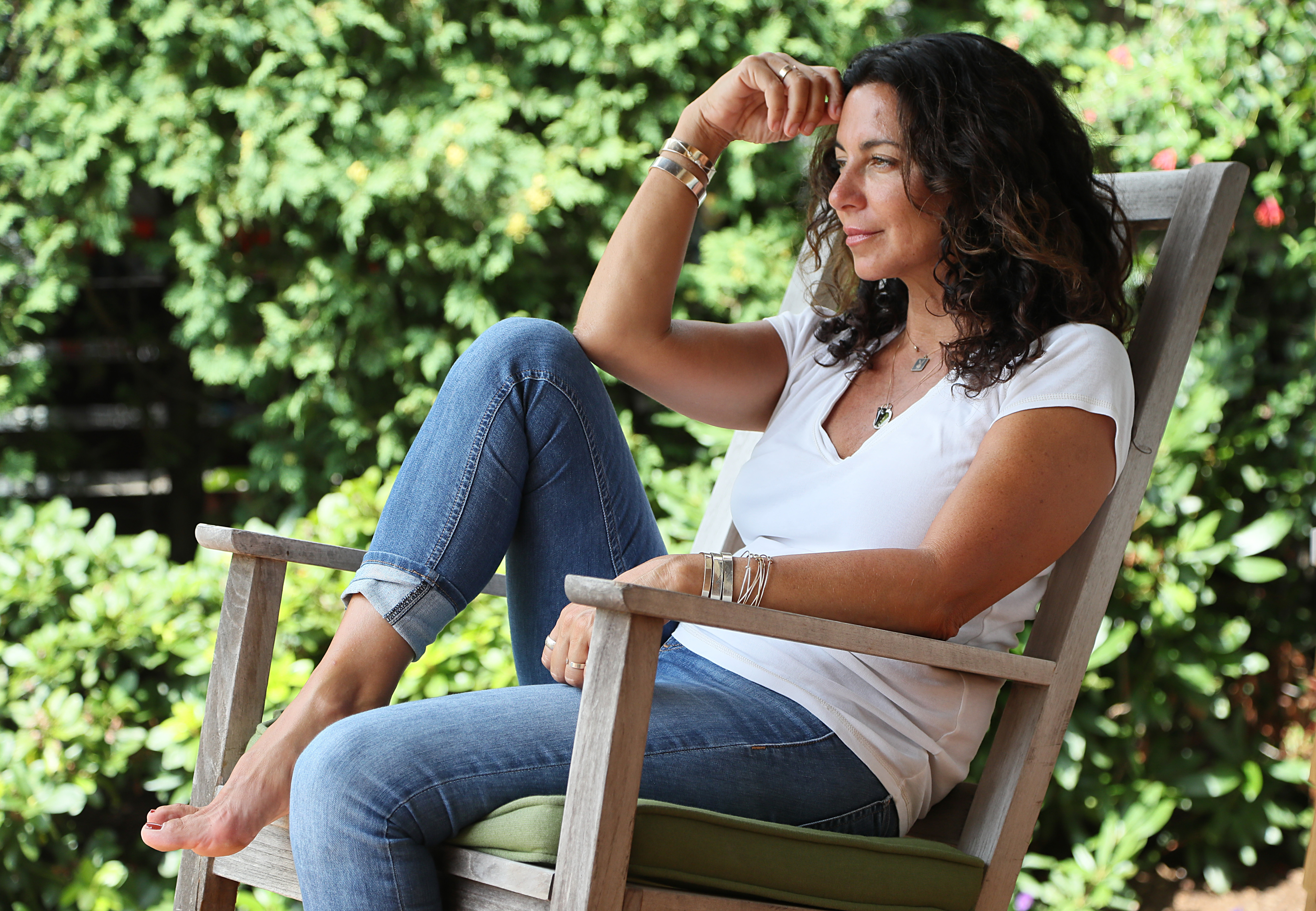
Carolyn Rafaelian learned jewelry manufacturing in her father's factory in Rhode Island before founding Alex and Ani in 2004, named for her two eldest daughters. The company built its identity around the patented expandable wire bangle, symbolic designs, and its Charity by Design giving program.
You grew up around jewelry manufacturing. What did that early experience teach you about the work?
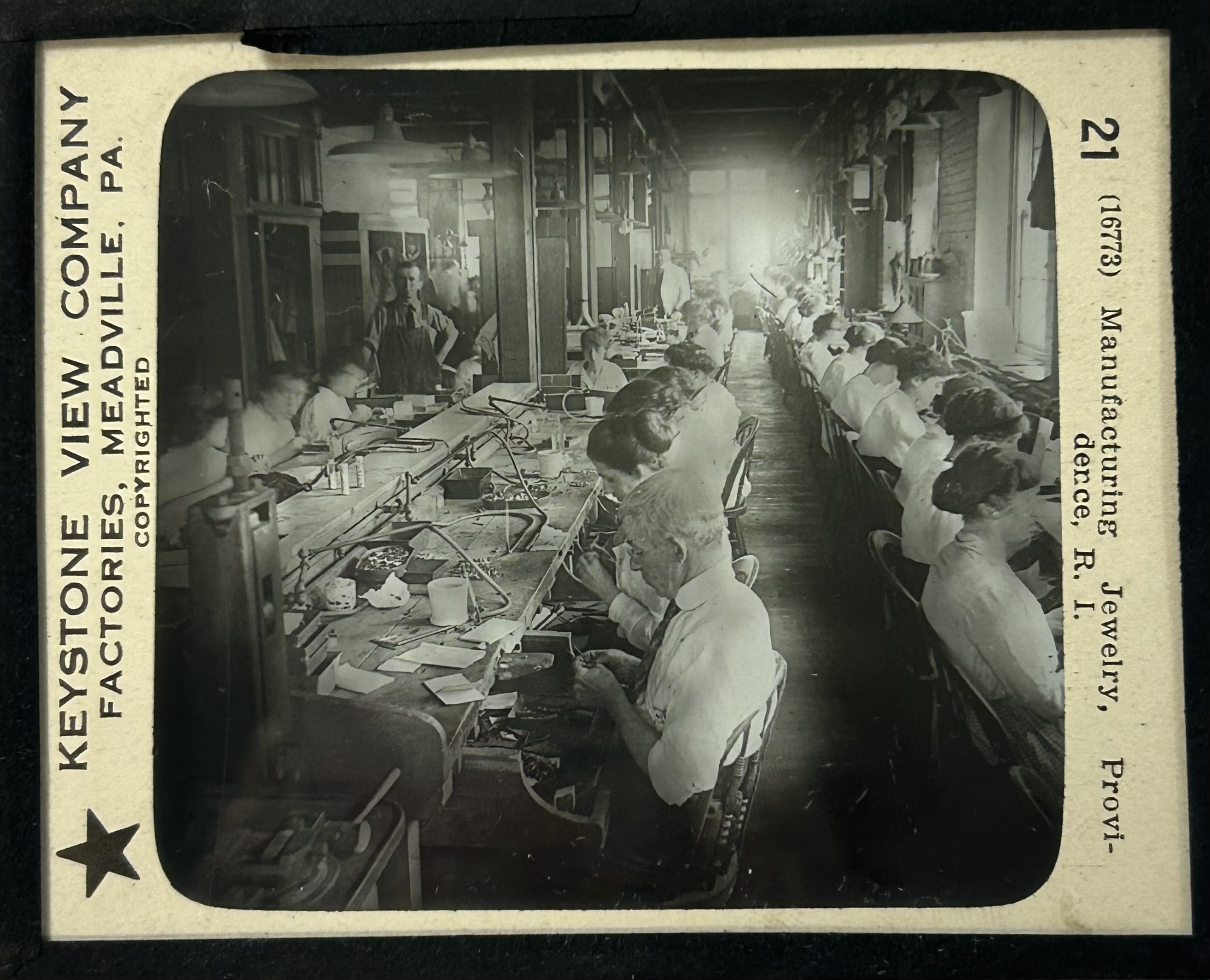
I learned the business from the inside, in my father's jewelry factory in Rhode Island. That experience gave me a practical understanding of materials, production, and the discipline required to turn an idea into a finished object. It also showed me that jewelry is both a product and a form of communication. A piece can be small, but it can still carry memory, identity, or emotion. Working in the family business allowed me to see the relationship between design and manufacturing clearly. Over time, I became increasingly interested in creating pieces that felt personal and accessible, rather than distant or overly formal.
What led you to establish Alex and Ani in 2004?
I wanted to create a jewelry company that reflected the way people actually live with objects. Jewelry can be intimate and expressive, but it does not need to be reserved for special occasions. I began with designs that were simple, adaptable, and easy to wear. The company was named after my two eldest daughters, Alex and Ani, so there was a personal foundation from the beginning. The name also represented the idea of building something with a lasting connection to family. From the start, I wanted the company to have its own point of view and to develop products that could become part of someone's everyday life.
The expandable wire bangle became closely associated with the brand. How did that design come about?
The bangle grew out of my experience designing wire jewelry. I had been working with seamless hoop earrings, and I began thinking about how the same basic idea might be adapted into a bracelet. The result was a bangle made from a continuous piece of wire with an adjustable mechanism. It could fit different wrists without relying on a traditional clasp, which made it practical as well as visually distinctive. I patented the design in 2004. Its flexibility was important to me because it allowed the piece to feel more individual. The wearer could put it on easily, layer it with other pieces, and make it part of a personal combination.
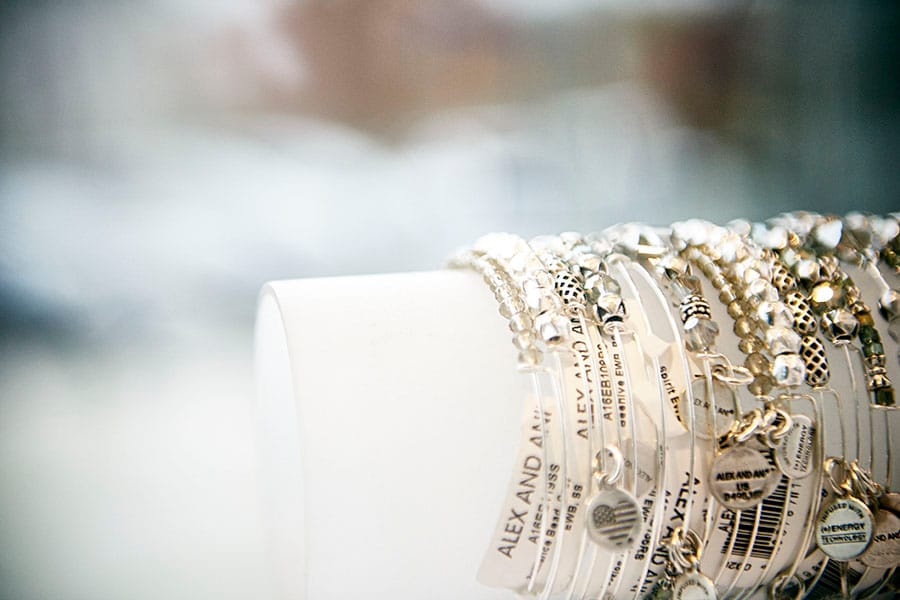
Alex and Ani's pieces often carry symbols or words. Why was meaning central to the brand?
I have always believed that jewelry can hold a message. People choose objects for many reasons, but often they are looking for something that reflects who they are, what they value, or what they want to remember. A symbol can make a piece feel personal without requiring an explanation. That was the foundation of our approach. We wanted the designs to invite interpretation and allow people to create their own relationships with them. Meaning does not have to be complicated. It can come from a word, an image, a place, or a connection with another person. The design gives someone a starting point, and the wearer makes it their own.
How did your approach to design differ from conventional jewelry traditions?
I was interested in making jewelry feel more open and approachable. Traditional jewelry can sometimes suggest that there is a correct way to wear it, or that it belongs only to certain occasions. I wanted to remove some of those barriers. Adjustable forms, symbolic designs, and the ability to layer pieces gave people more freedom. The goal was not to dictate a single style, but to create a collection that could change with the wearer. I also cared about the connection between the design and the process of making it. Because I came from manufacturing, I was always thinking about how an object would function, how it would be produced, and how it would live with a person over time.
Alex and Ani developed a strong connection between commerce and charitable giving. What did you hope that relationship would create?
I wanted giving to be part of the company's structure, not something separate from its identity. Through Charity by Design, Alex and Ani created pieces connected to nonprofit organizations and directed a portion of proceeds toward charitable causes. That model allowed customers to participate in something larger through an object they were already choosing to wear or give. For me, the important point was creating a direct relationship between design, purchase, and contribution. The company could use its reach to support organizations working on issues that mattered to their communities. Jewelry became one way to make those causes more visible and to encourage people to feel connected to them.
What did it mean to build the company in Rhode Island?
Rhode Island is where I grew up, where my family worked, and where I learned the jewelry trade. Building the company there connected Alex and Ani to that history. It also meant maintaining a relationship with local manufacturing and with the people who understood the craft. The state has a long connection to design and production, and I wanted that knowledge to remain part of the company's story. There was value in being close to the process, from developing an idea to producing the finished piece. For me, the location was not simply a business address. It was part of the brand's identity and part of my own background.
As Alex and Ani grew, how did you think about preserving its creative character?
Growth brings more people, more decisions, and more responsibility, so it becomes important to understand what should remain consistent. For Alex and Ani, that meant holding on to the connection between design and meaning. I wanted the company to keep asking why a piece should exist, what it could represent, and how it might make someone feel. The creative process also depended on allowing people to contribute their own ideas and perspectives. A company can become larger without losing its personality, but it requires attention. The original purpose has to remain visible in the products, the way the team works, and the relationship with the customer.
What have you learned from designing for people with very different personal styles?
I have learned that people want room to participate in the design. They may begin with the same symbol or bracelet, but they wear it differently, combine it with different pieces, and attach their own meaning to it. That is why adaptability has always mattered to me. A design should have enough character to be recognizable, but enough openness to become personal. It is also a reminder that fashion is not only about appearance. It is about how someone sees themselves and how they want to move through the world. The most successful pieces are often the ones that allow the wearer to complete the story.
What continues to interest you about creating a brand?
I am interested in the whole process, from the first idea to the way an object enters someone's life. Design is only one part of it. You also have to think about materials, manufacturing, communication, people, and responsibility. A brand develops through all of those choices. I have always wanted to create work that feels purposeful and connected to real life. That does not mean every piece has to make a grand statement. It means the work should have a reason for being there and should offer something to the person who encounters it. For me, that remains the most compelling part of building anything.