Profile
David and Sybil Yurman: A Life in Art, Made Wearable
Hannah R. Harris / Nov 20, 2025

As Co-President and Artistic Director of Chopard, Caroline Scheufele has shaped the family Maison through adventurous design, deep respect for craftsmanship, and a long-term commitment to more responsible luxury.
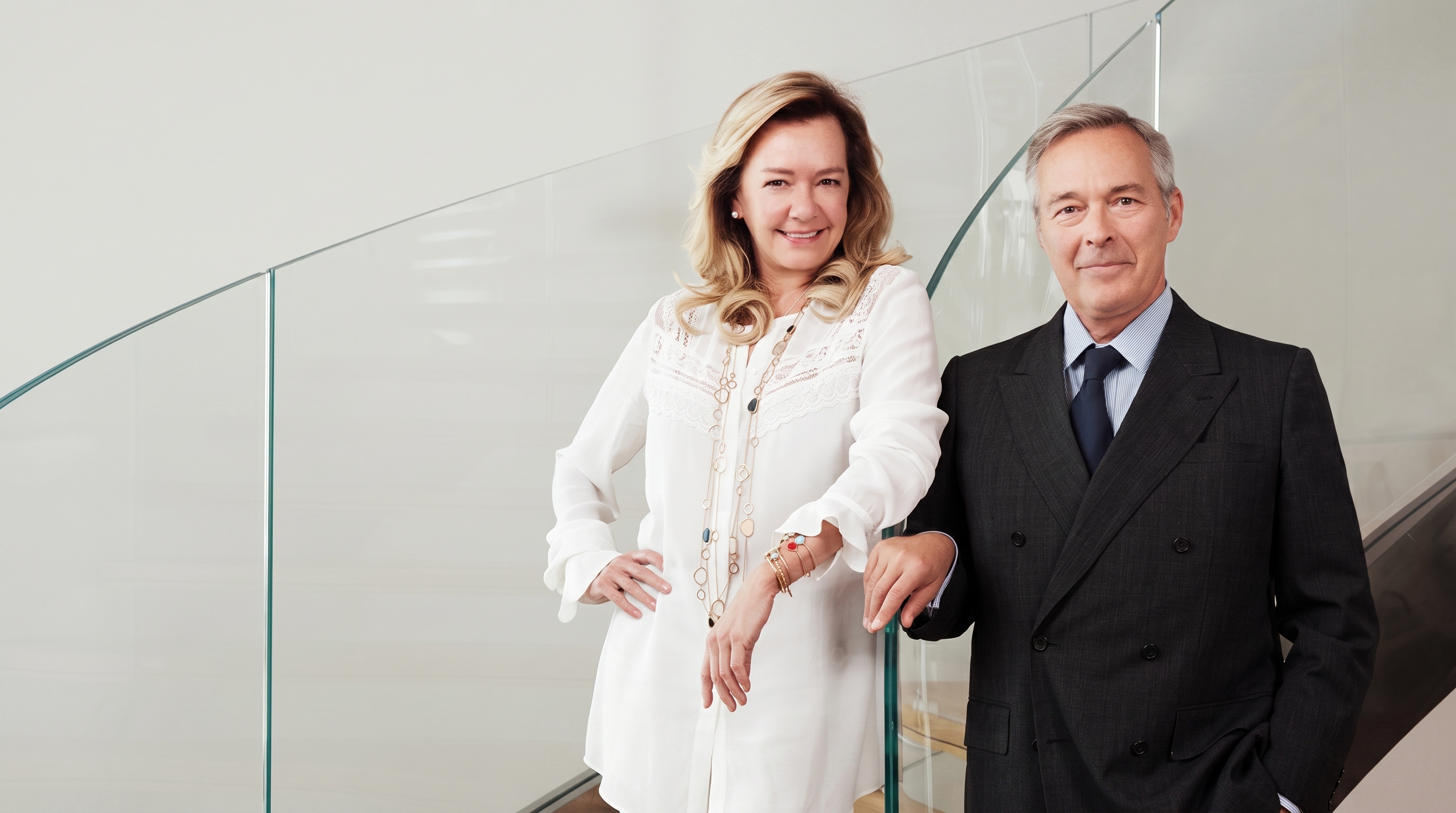
Caroline Scheufele is Co-President and Artistic Director of Chopard, the Maison her family acquired in 1963. Her design career began with a diamond-set clown brooch, and has since grown to include the Red Carpet Collection at Cannes, Caroline's Couture, and Chopard's move to 100 percent ethical gold in 2018.
Chopard's history stretches back to 1860, while your family acquired the Maison in 1963. How do you approach the balance between heritage and renewal?
Heritage is important because it gives a Maison its identity, but it should never become a constraint. At Chopard, we are guided by three essential ideas: craftsmanship, creativity, and ethics. The first connects us to the watchmaking and jewellery traditions that have defined the company for generations. The second allows us to keep moving and to imagine new forms, materials, and ways of wearing jewellery. The third reflects our responsibility to the future. A family business has the advantage of thinking across generations. We can protect what is valuable while continuing to evolve, because we are not designing only for the present moment.
Your first jewellery design for Chopard was a diamond-set clown. What did that creation reveal to you about the Maison's creative personality?
The clown was playful, unexpected, and full of movement. It was not a traditional piece of jewellery, and perhaps that was precisely why it felt right for Chopard. The design had articulated parts and diamonds that seemed to float inside it, which brought a sense of life and humour to the object. When my father decided to produce it, Chopard entered jewellery in a very direct way. That experience taught me that a jewel can be precious without being overly formal. It can have character, emotion, and a certain freedom. I still believe that jewellery should create pleasure, and that it should be possible to wear it in a personal and spontaneous way.
What tends to initiate a new creation for you?
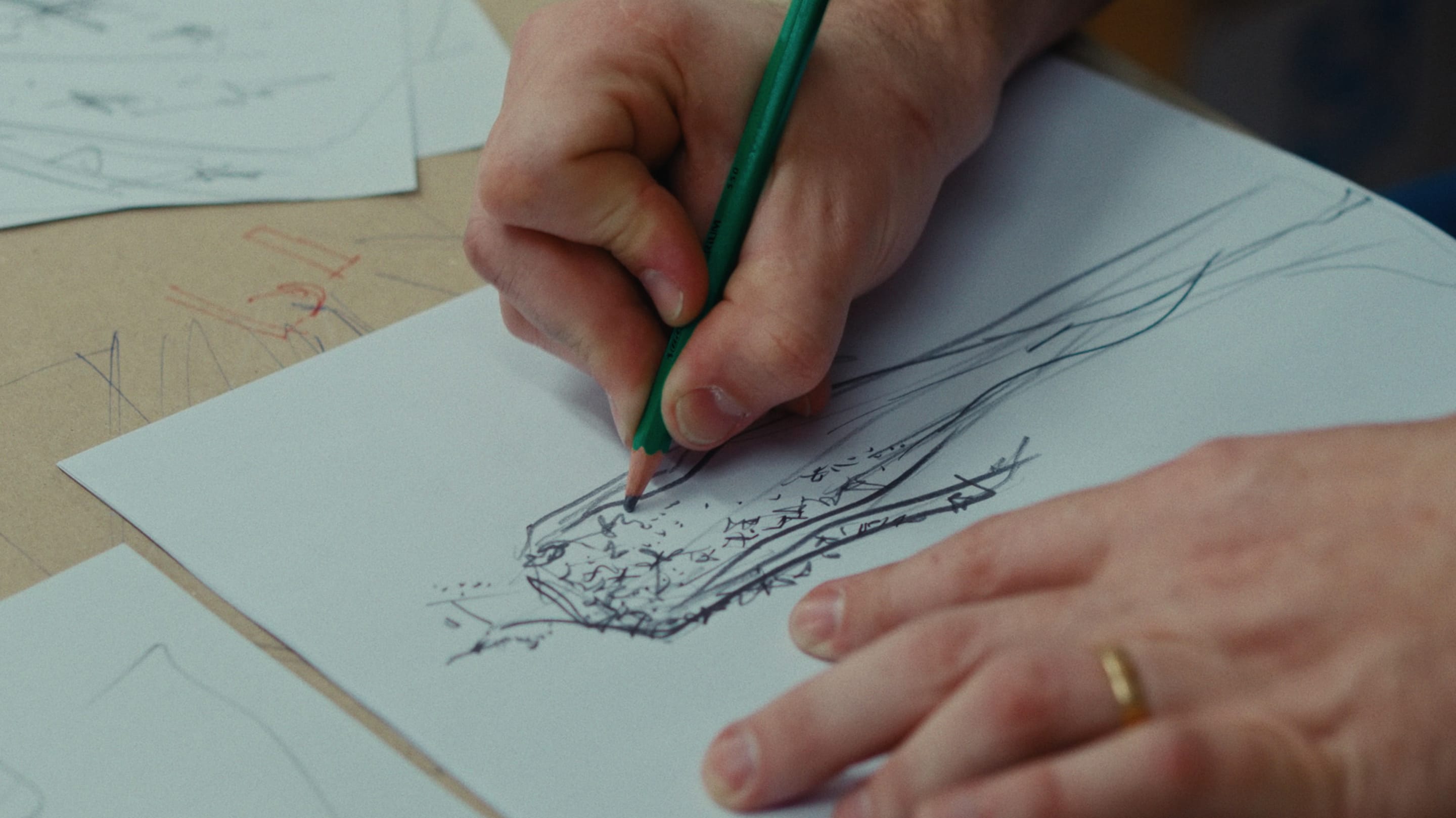
Inspiration can come from almost anywhere. It may be a work of art, a landscape, an animal, a piece of architecture, music, or cinema. Sometimes it is something very simple, such as a flower or a particular colour. I do not think creativity can be scheduled or produced according to a formula. An image or emotion appears, and then it has to remain in your mind long enough to become an idea. From there, the work becomes very practical. You begin to think about proportion, movement, the character of a stone, and the way the piece will sit on the body. The emotion comes first, but craftsmanship gives it form.
Chopard is known for combining coloured stones with diamonds and for giving jewellery a sense of movement. What do you look for in a stone?
Every stone has its own personality and history. Diamonds have a particular brilliance and purity, while emeralds, rubies, and sapphires bring depth, colour, and a strong emotional presence. I enjoy combining precious and semiprecious stones because unexpected colour relationships can create a very modern effect. I am also interested in how a stone behaves within a design. It may determine the shape of a necklace, the rhythm of a bracelet, or the movement of an entire composition. A jewel should not simply display a beautiful stone. The design must allow the stone to express itself, while giving the person wearing it a sense of ease and confidence.
Chopard has been closely associated with the Cannes Film Festival since 1998. What has that relationship made possible for the Maison?
Cannes brings together cinema, art, craftsmanship, and a very particular sense of occasion. It has given Chopard the opportunity to create objects that are seen in a cultural context, rather than only in a jewellery setting. When we redesigned the Palme d'Or, we were working on a trophy that had to carry real symbolic weight while remaining beautifully made. The Festival also led to the Red Carpet Collection, which has become an annual exploration of creativity through high jewellery. It is a place where we can take risks, work with exceptional stones, and create pieces with a strong visual presence. The relationship has grown over time, but its foundation remains a shared respect for artistic work.
In 2023, you presented Caroline's Couture at Cannes. Why was it important to move from jewellery into clothing?
The idea began with a tailored suit that I wore in Venice. It was beautifully cut and felt completely aligned with my personality, so I wanted to wear it repeatedly and in different ways. That made me think about clothing in the same way I think about jewellery. A well-designed piece should not be disposable. It should become part of a wardrobe and gain meaning through time. Caroline's Couture developed from the Red Carpet Collection, with silhouettes designed to work in harmony with high jewellery. The clothes are intended to frame the body and the jewels, but they also need to have their own presence. It was a natural extension of the way I already work with proportion, texture, colour, and craftsmanship.
Caroline's Couture also involves embroiderers and other specialist artisans. What role does collaboration play in your work?
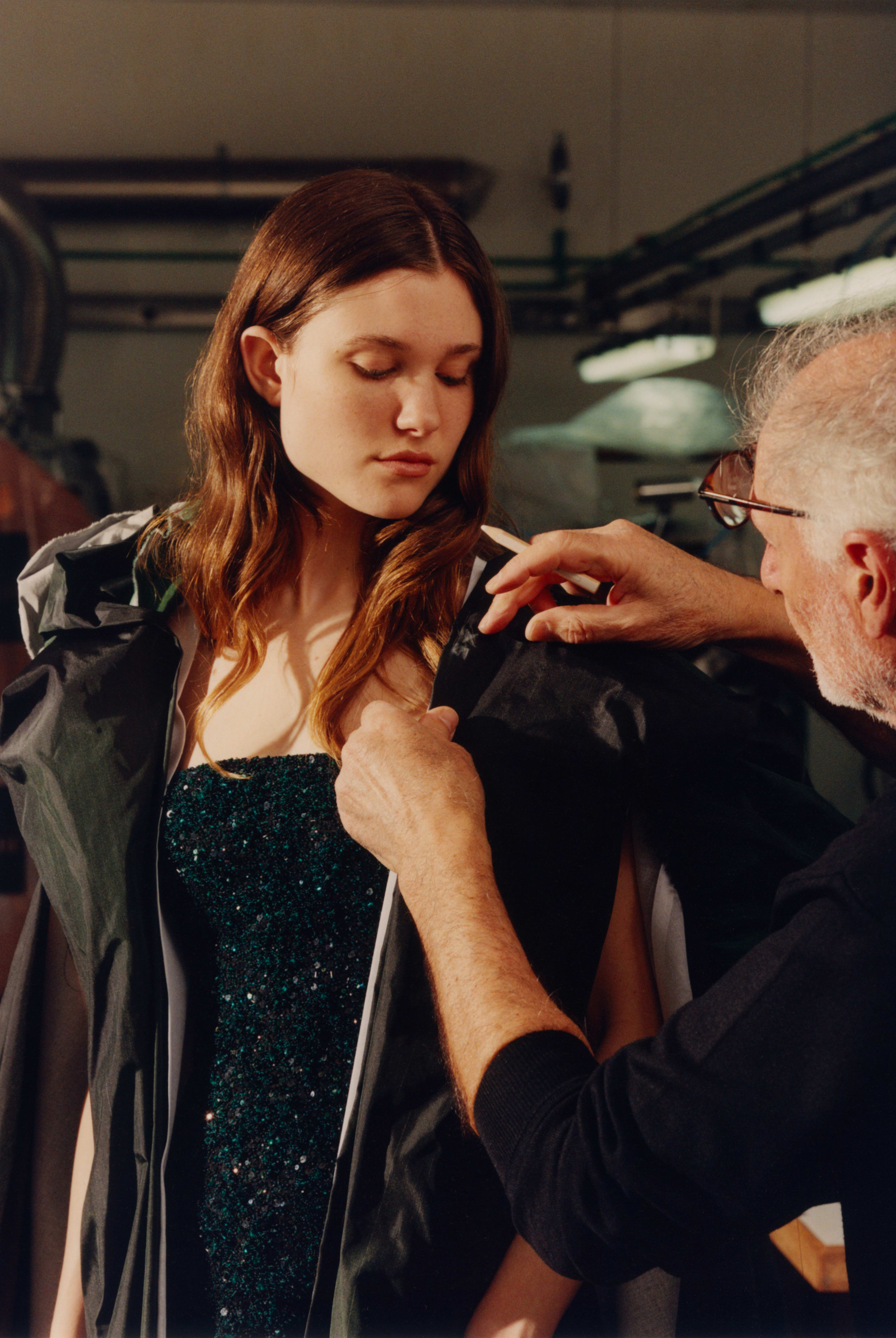
Collaboration is at the centre of everything we do. A creative idea only becomes a finished jewel or garment through the knowledge and patience of many skilled people. In jewellery, that may include designers, gemmologists, setters, goldsmiths, polishers, and specialists in movement or construction. In couture, the process also involves embroiderers, tisserands, pattern makers, and other métiers d'art. Each person brings a particular kind of intelligence to the work. Our partnership with the Kalhath Institute Foundation in India reflects this respect for traditional embroidery and for the people who carry these techniques forward. Craftsmanship is not simply a method. It is a living culture that needs to be valued and transmitted.
Chopard launched its Journey to Sustainable Luxury programme in 2013 and moved to 100 percent ethical gold for its watches and jewellery in 2018. What did that process change inside the company?
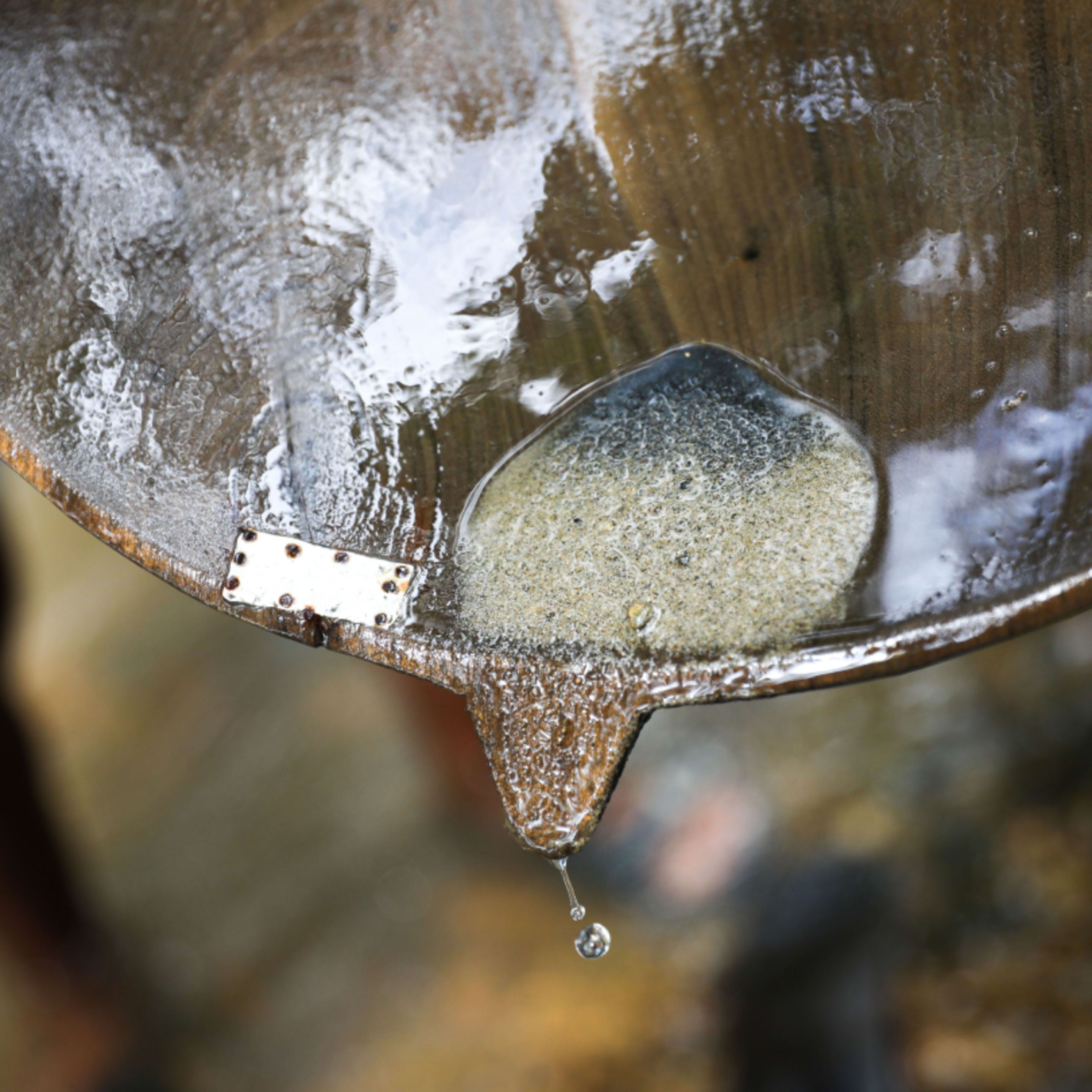
It made us look more closely at every stage of production and at the people behind the materials we use. Responsible sourcing cannot be treated as a surface idea. It requires traceability, long-term relationships, and an understanding of the social and environmental realities of the supply chain. Our in-house capabilities, including our own gold foundry, helped us develop greater control over the process. Working with mining communities and supporting access to Fairmined certification also showed us that responsibility has to include the beginning of the chain, not only the finished object. The journey has required time and patience. It continues to develop through material choices, training, collaboration, and a willingness to keep improving.
How can a luxury object feel both exceptional and responsible?
Beauty and responsibility should not be opposing ideas. For me, responsibility strengthens the value of an object because it connects its beauty to a wider story. It asks where the materials came from, who worked with them, and how the piece was made. It also encourages better design. When we think carefully about the amount of material used, the comfort of a jewel, or the longevity of a garment, the result can become more refined rather than less luxurious. A responsible object should still create desire and emotion. It should be something that a person wants to wear, keep, and pass on. That combination of pleasure, quality, and accountability is central to the future of luxury.
After decades of leading the creative direction of Chopard, what continues to keep the work exciting?
There is always another material to discover, another stone to understand, or another technique to explore. I am also inspired by the people who work at Chopard. Their knowledge makes it possible to push an idea further than I may have first imagined. I enjoy moving between different forms of creation, from high jewellery and watches to trophies, couture, and artistic collaborations. Each discipline changes the way you look at the others. The work remains exciting because it is never only about producing something beautiful. It is about finding a new relationship between an idea and the hand that makes it real. As long as there is curiosity, there is room for new work.