Profile
David and Sybil Yurman: A Life in Art, Made Wearable
Hannah R. Harris / Nov 20, 2025

For Briony Raymond, fine jewellery is where craftsmanship, history and personal connection meet, whether she is creating a bespoke piece or finding an extraordinary jewel with a past.
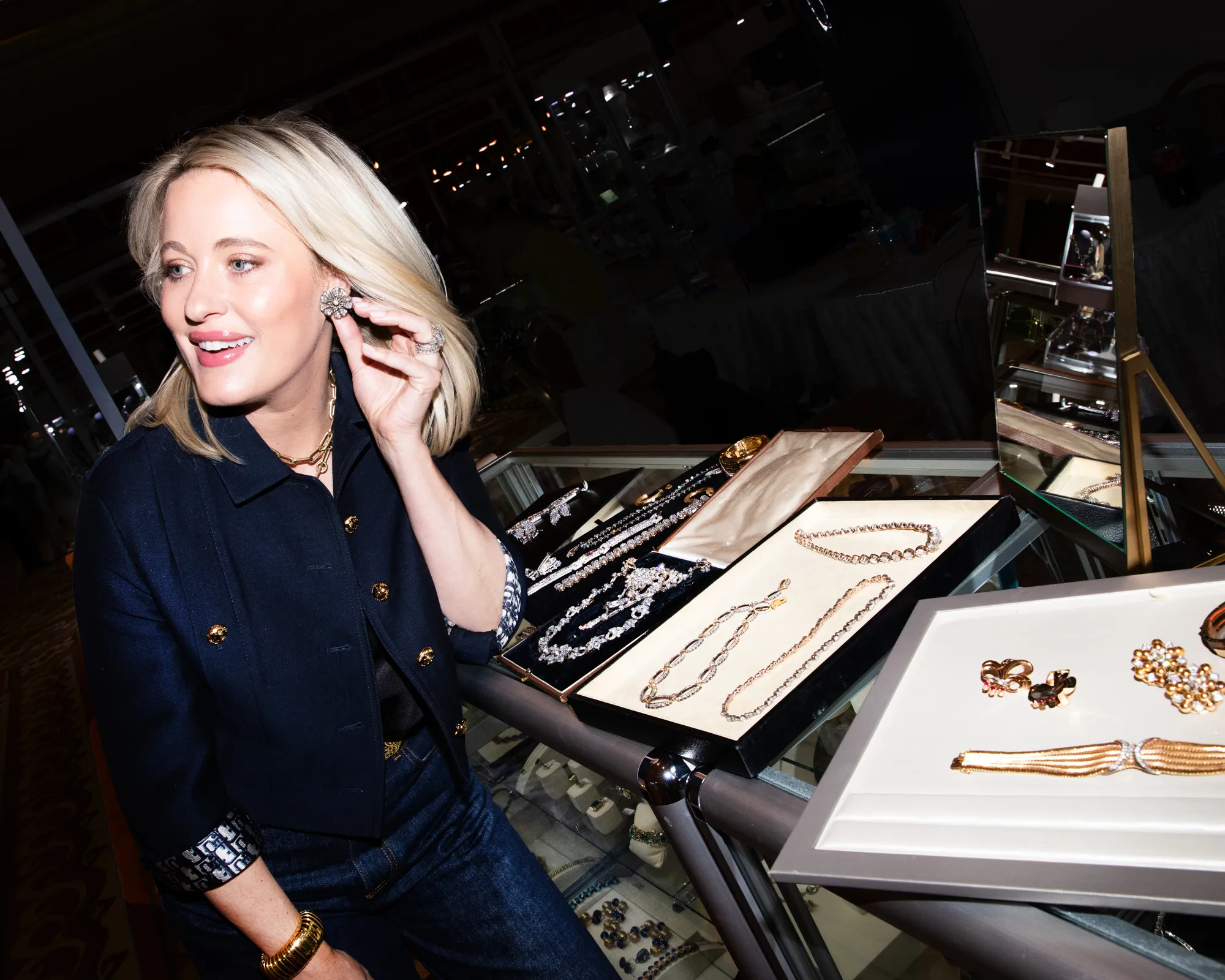
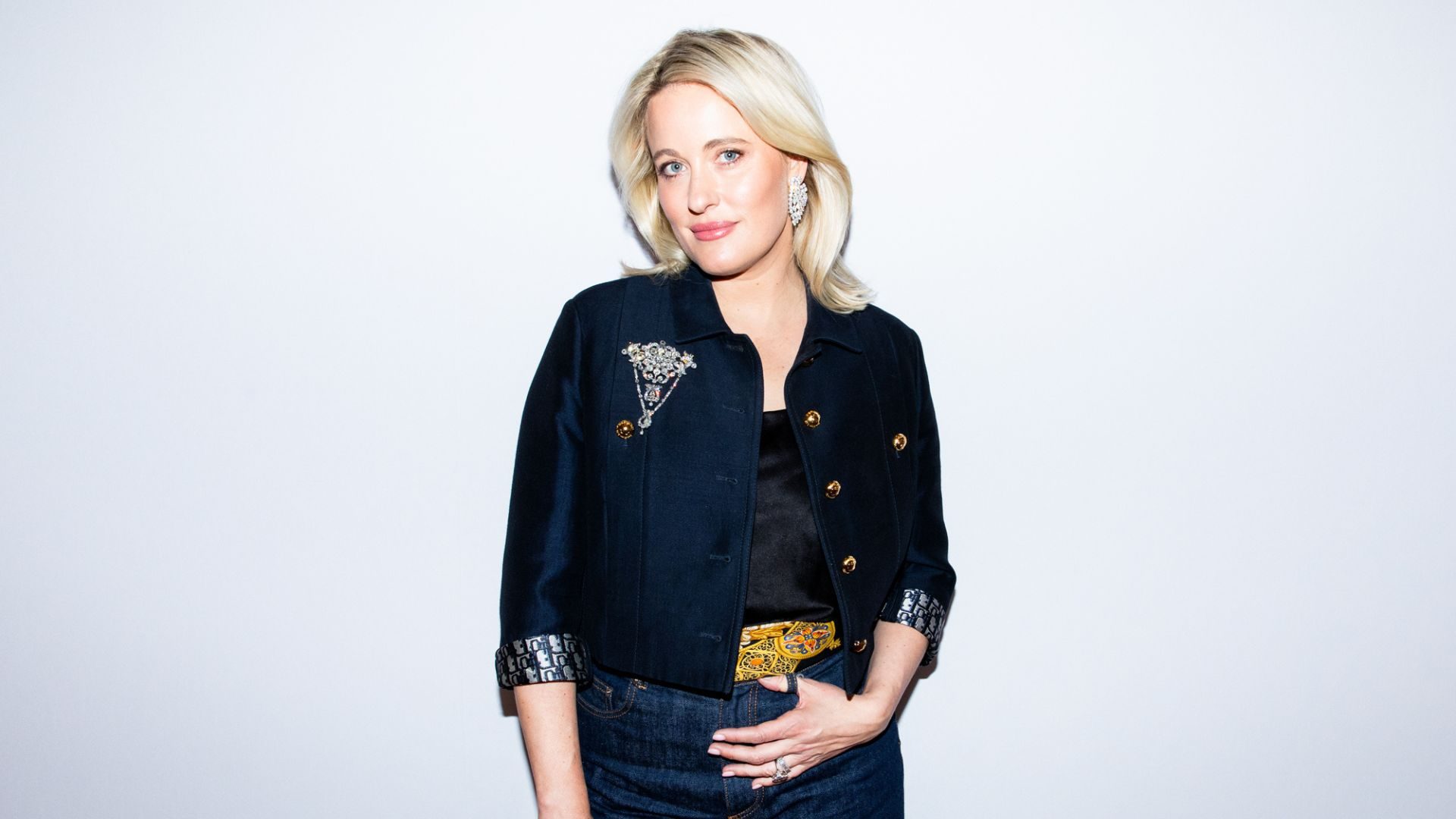
Briony Raymond began her career in finance before training in gemology at Van Cleef & Arpels. In 2015 she opened her own New York atelier, working across signature design, bespoke commissions and estate jewellery, with a workshop where every finished piece receives its own serial number and signature.
Your career began in finance before moving into fine jewellery. What did that earlier chapter teach you that still informs the way you work today?
Finance gave me a strong foundation in client relationships, discretion and attention to detail. I worked closely with people and learned how important it is to understand what they are really looking for, not simply what they initially ask for. That has translated directly into my work with jewellery clients. A piece can be technically beautiful, but it also has to feel right for the person who will wear it. I also learned to be thorough and prepared. Jewellery is an emotional purchase, but it is still a serious one, and clients deserve clarity, knowledge and a very high level of care throughout the process.
What drew you to jewellery after working in finance?
Jewellery had always been part of my visual and emotional world. I grew up around women who wore jewellery with a real sense of personality, and I remember being fascinated by the colour, brilliance and physicality of it. You can see jewellery, but you can also touch it and feel it against the body. That sensory quality has always been important to me. Eventually, I realised that finance was not where my deepest interest lay, so I joined Van Cleef & Arpels to learn the business properly. I studied gemology, travelled and learned from people with extraordinary expertise. That experience gave me the confidence to build something of my own.
How did your experience at Van Cleef & Arpels shape the Briony Raymond atelier?
Van Cleef & Arpels gave me an education in fine jewellery that went far beyond understanding stones. I learned about craftsmanship, proportion, design history and the level of precision required to make an exceptional piece. I was also exposed to the importance of service and the trust involved in working with clients on significant purchases. When I established the atelier in 2015, I wanted to bring those standards into a more personal, founder-led environment. The business combines my interests in design, gemstones, vintage jewellery and client relationships. Every area is connected by the same commitment to quality and discernment.
The brand brings together signature designs, bespoke work and estate jewellery. How do those different parts of the business speak to one another?
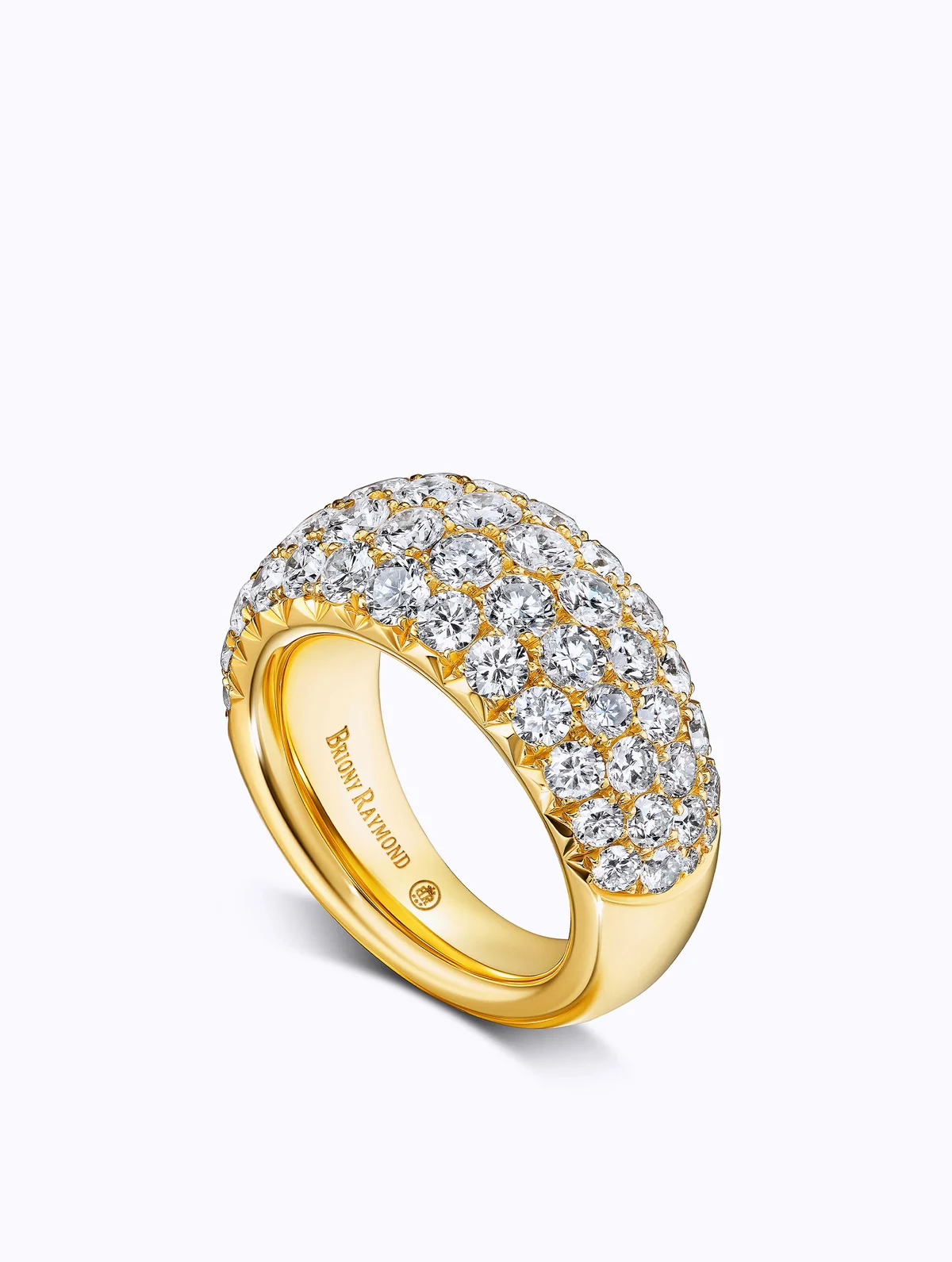
They are different expressions of the same way of looking. With a signature design, I am developing an idea that can become part of a wider collection. With bespoke work, the starting point is a particular client, their taste and the meaning they want the piece to carry. Estate jewellery begins with an existing object, so the process is about recognising its quality, history and potential relationship with a new owner. In all three cases, the work depends on close observation. I am thinking about the stone, the craftsmanship, the proportions and how the piece will live on the body. The goal is always something that feels personal rather than generic.
What do you look for when sourcing vintage and estate jewellery?
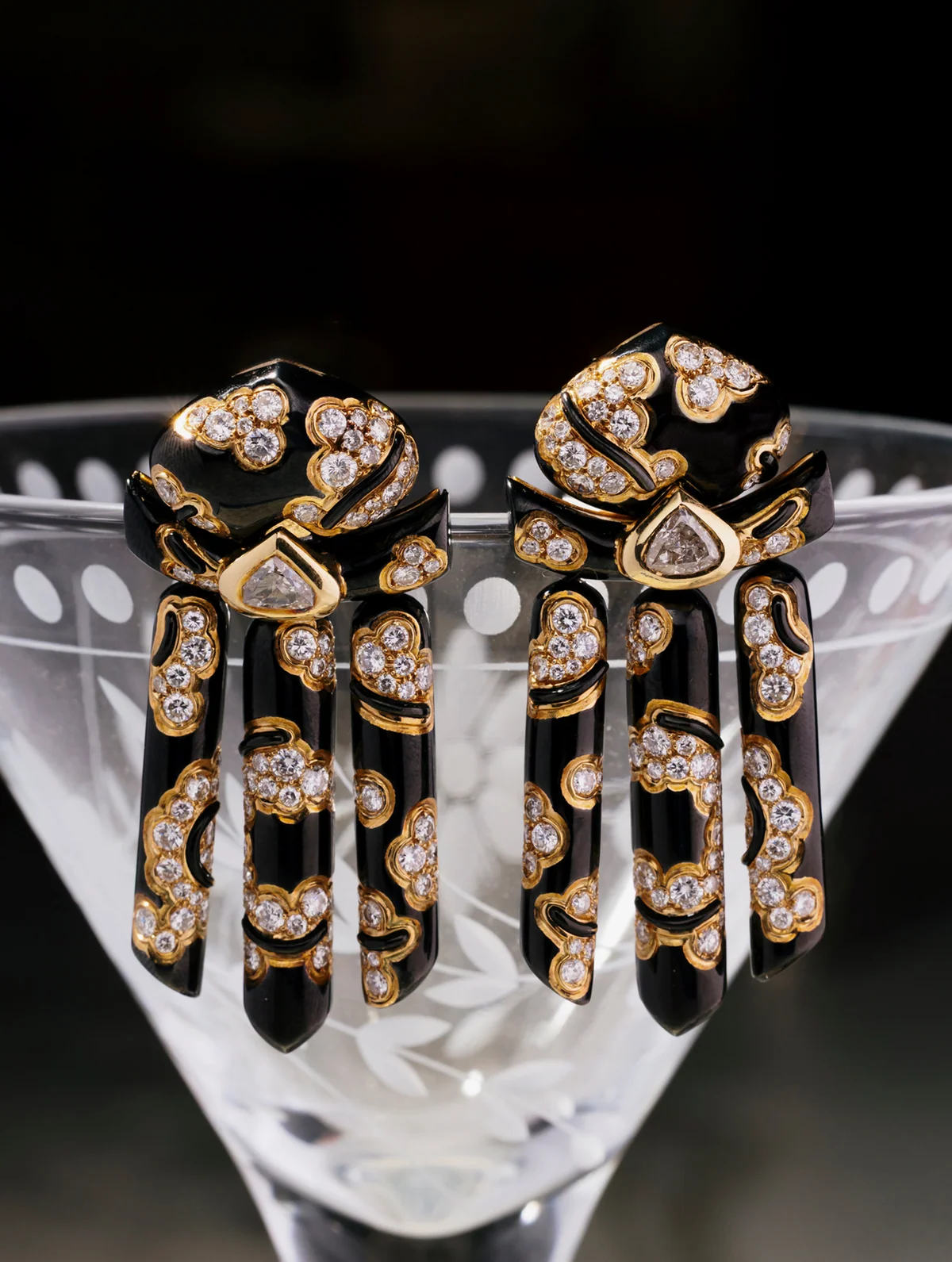
I look for quality first, then for character and relevance. A piece needs to be a strong example of its style, whether it comes from the Georgian period, the Art Deco era or a later moment in jewellery history. I consider the craftsmanship, the condition, the stones, the proportions and the identity of the design house when there is one. I also think about how the piece might be worn now. Historical importance matters, but so does vitality. When I attend an antique jewellery show, I prepare by speaking with clients about what they are seeking. That keeps me focused when I am surrounded by an enormous amount of beautiful material.
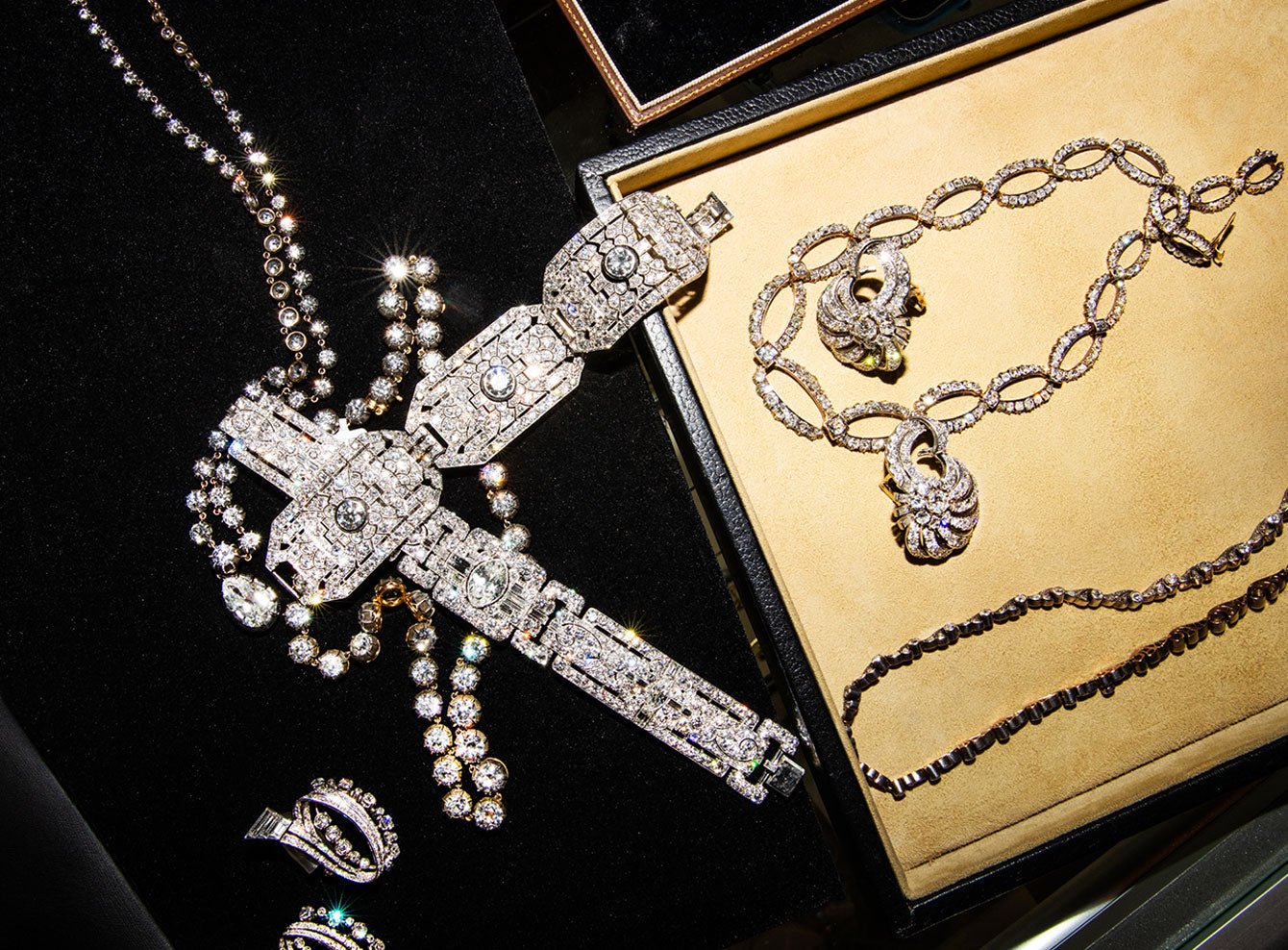
How do you know when an estate piece is right for a particular client?
It begins with listening. I want to understand how a client dresses, what they already wear, what they collect and what they may be missing. Sometimes they have a very specific request. At other times, they are open to being shown something unexpected. I think about whether the piece reflects their taste, but also whether it adds something new to their collection. I imagine the different ways they could wear it and the occasions when it might become part of their life. The relationship is important because sourcing is not only about finding a beautiful object. It is about finding the right future for that object.
The atelier describes its approach as deeply personal. What does that mean in practice?
It means staying close to the client and being involved in the details. I want people to feel that they have an advocate who understands their taste, can educate them and can be trusted to be honest. That applies whether we are designing a one-of-a-kind commission, restoring an heirloom or sourcing a vintage jewel. The process should be thoughtful and enjoyable, but it should also be rigorous. Clients are placing a great deal of trust in us, and I take that seriously. The most rewarding part is when a piece feels as though it has found the person it was waiting for.
What role does craftsmanship play in the identity of Briony Raymond?
Craftsmanship is at the centre of everything we do. In our New York workshop, pieces move through many stages, from the first sketches and wax models to gemstone selection, production and final approval. I am involved throughout that process with the team and the makers. The details matter because they affect how a piece looks, feels and wears over time. We work with fine metals and natural gemstones, and each finished piece receives its own serial number and signature. Jewellery should be made to be worn, not simply admired. It should also have the strength and quality to become part of a family story.
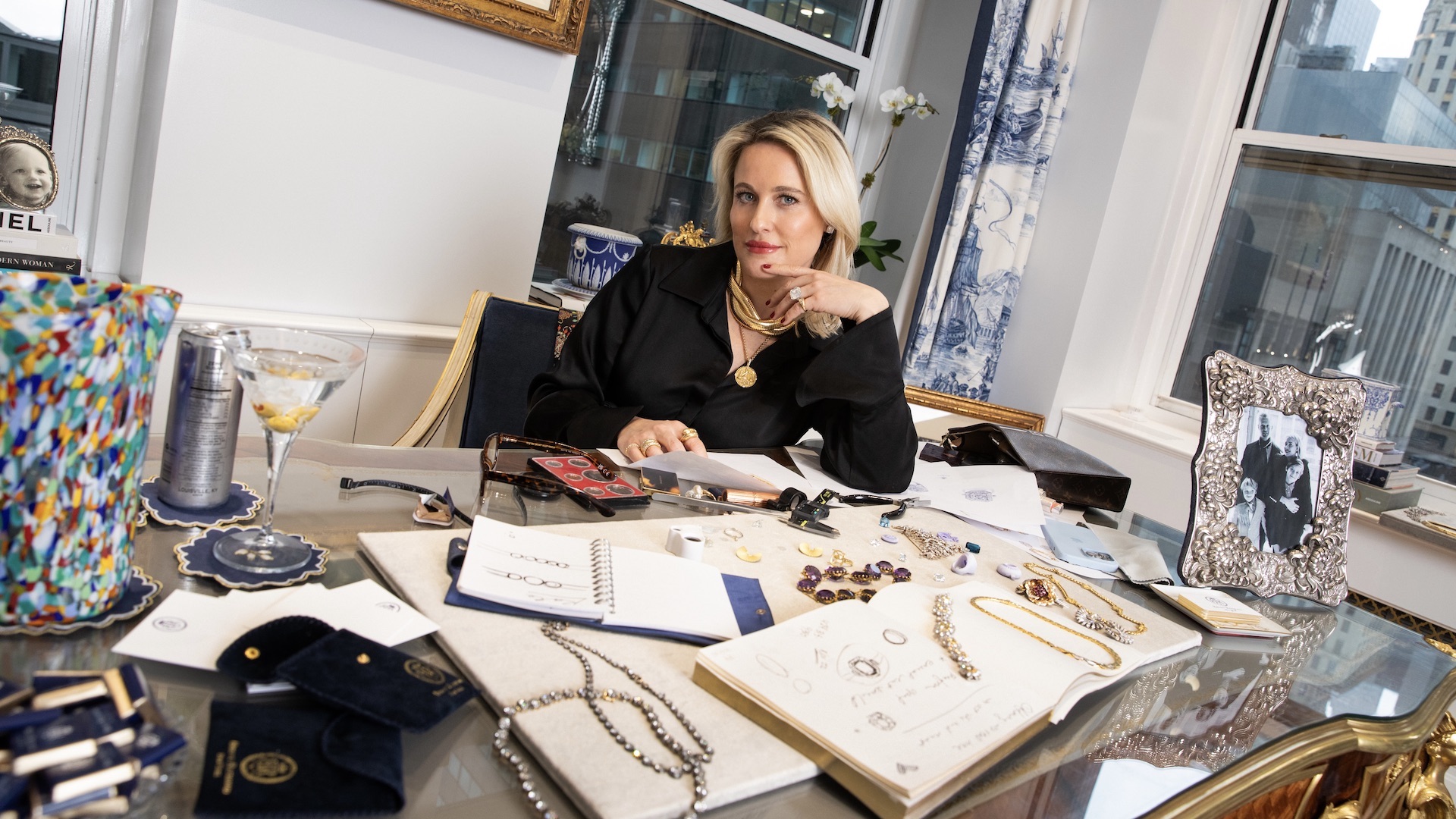
What have you learned from working with clients who are building personal collections?
I have learned that collecting is deeply individual. One person may be drawn to a particular period or house, while another may respond to colour, scale or an unusual detail. There is no single correct way to build a collection. My advice is to begin with what genuinely gives you pleasure rather than buying something simply because it has been described as a good investment. The strongest collections usually have a personal logic, even if that logic is not immediately obvious to anyone else. I also enjoy helping clients become more confident in their own eye. Jewellery is more meaningful when the wearer understands why a piece speaks to them.
You have described yourself as proud to be a female founder in an industry that has often been male dominated. How has that shaped your leadership?
Founding the company has allowed me to create the narrative around the work and to define the kind of business I wanted to build. That feels particularly meaningful because jewellery and finance have both traditionally been environments where women have not always held the most visible positions. I am proud that my name is on the door, but I also see that as a responsibility. The brand has to reflect quality, imagination, integrity and a genuine respect for clients and craftspeople. Leadership, for me, is closely tied to being present. I want to know the work, the process and the people involved at every stage.
What do you hope someone feels when they encounter a Briony Raymond piece?
I hope they feel a sense of connection. It might be an immediate response to a gemstone or a design, or it might come from learning about the history and craftsmanship behind an estate piece. Jewellery has a special intimacy because it lives on the body. It becomes part of how someone moves through the world and can gather meaning over time. I want the pieces to feel distinctive, but also wearable and alive. Whether something is newly made or has already belonged to another person, it should have the possibility of becoming part of the wearer's own story.