Profile
David and Sybil Yurman: A Life in Art, Made Wearable
Hannah R. Harris / Nov 20, 2025

For Brent Neale Winston, fine jewelry is a meeting point between childhood wonder, expressive color, and the exacting craft of New York's jewelry district.
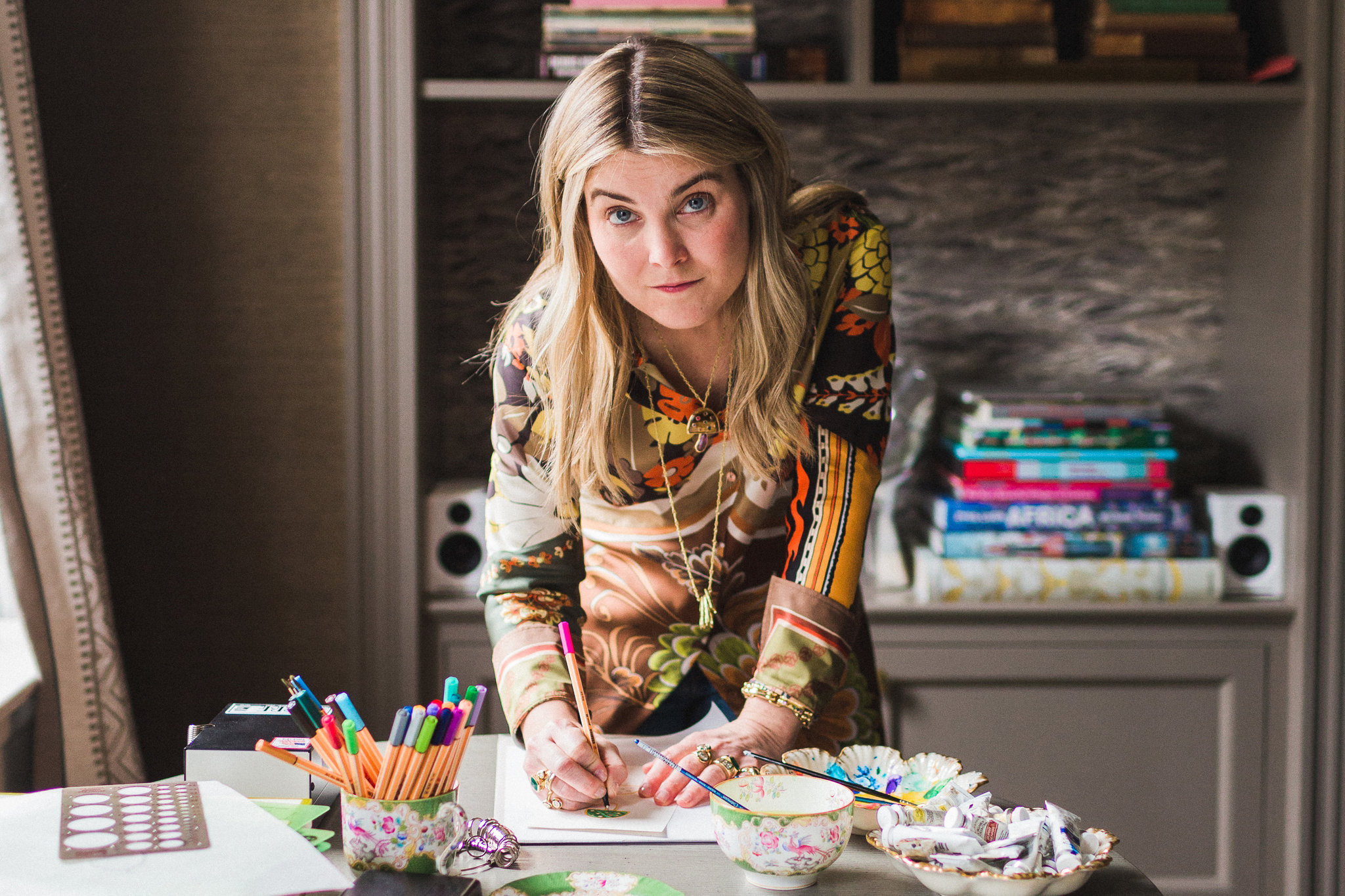
Brent Neale Winston began making beaded necklaces as a child on trips to gem shows with her mother, later training at the Fashion Institute of Technology and spending eight years as jewelry director at Kara Ross. Her namesake brand, built around carved stones and whimsical motifs, is produced in collaboration with stonecutters and bench jewelers around New York's 47th Street.
Your relationship with jewelry began early, through visits to gem shows with your mother. What stayed with you from those experiences?
My mother was always making something. She sewed, painted, and had a very creative way of moving through the world, so I absorbed that from her. She began taking me to gem shows near Washington, D.C., and allowed me to choose strands of beads. I started making necklaces, mostly as gifts, and eventually took custom orders from friends and family. At the time, I did not think of it as a career. It was simply a way of playing with color, materials, and composition. Looking back, those early experiences gave me an instinctive connection to stones and to the pleasure of making something by hand.
You studied at Johns Hopkins before pursuing jewelry design at FIT. What prompted that change in direction?
After college, I moved to New York and worked in product development for a private label jewelry company. Everything I had done up to that point was self-taught, and I realized that I wanted a deeper understanding of design and technique. I enrolled in the jewelry design program at the Fashion Institute of Technology, where I developed my rendering and design skills and learned more about the structure behind a finished jewel. The experience also introduced me to the discipline of the field. Jewelry can look playful, but bringing an idea to life requires a great deal of precision, patience, and technical knowledge.
Before launching your own label, you spent eight years as jewelry director at Kara Ross. What did that period teach you?
I learned an enormous amount from Kara Ross, both about the jewelry business and about trusting my own instincts as a designer. I was involved in design and product development, so I saw how an idea develops across many stages before it reaches the client. That experience gave me a practical understanding of materials, production, and the importance of consistency. It also reinforced the value of making decisions from a genuine point of view. When I launched Brent Neale, I wanted every piece to feel like something I believed in completely. That standard remains important to me. The work has to feel personal before it can become meaningful to someone else.
How would you describe the central character of Brent Neale?
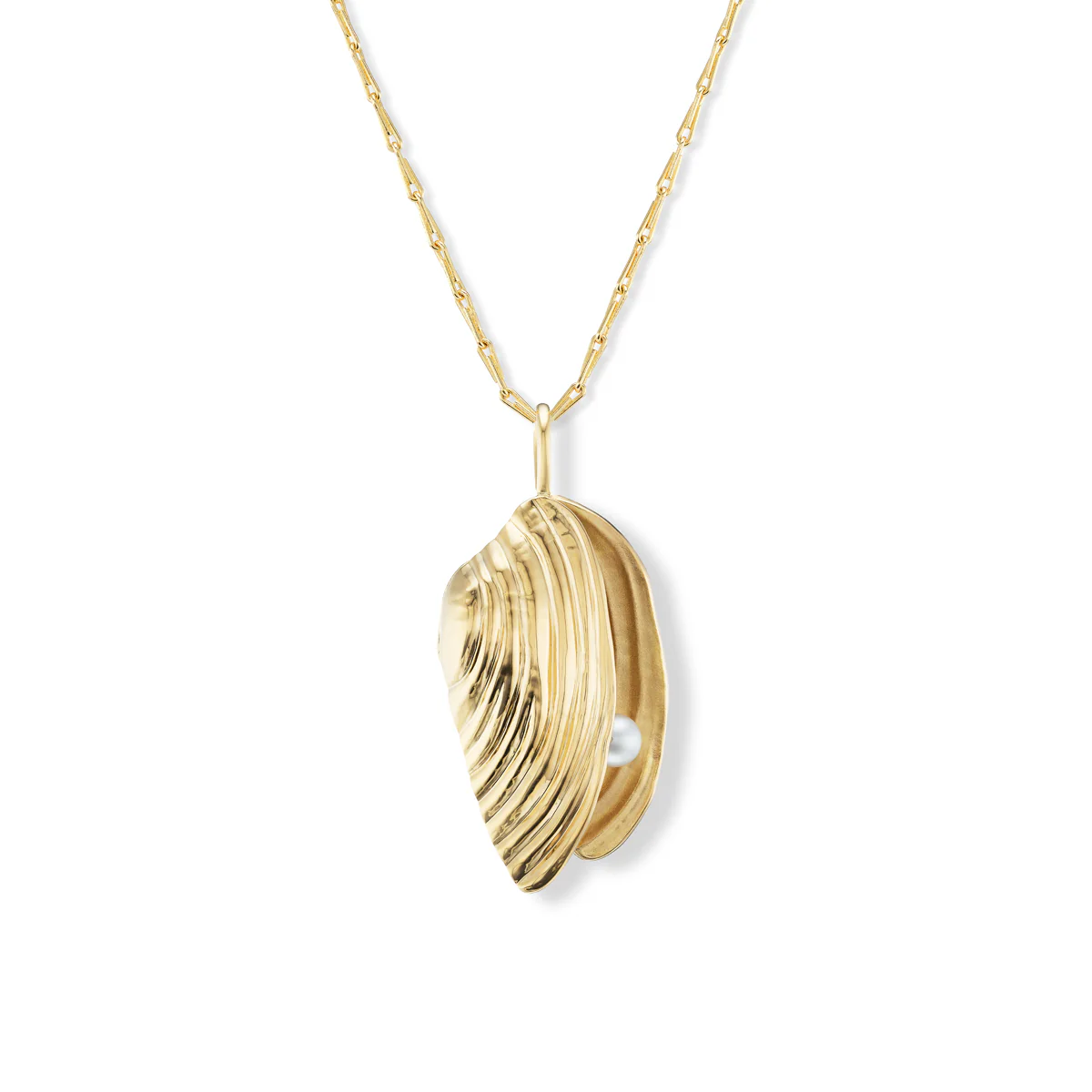
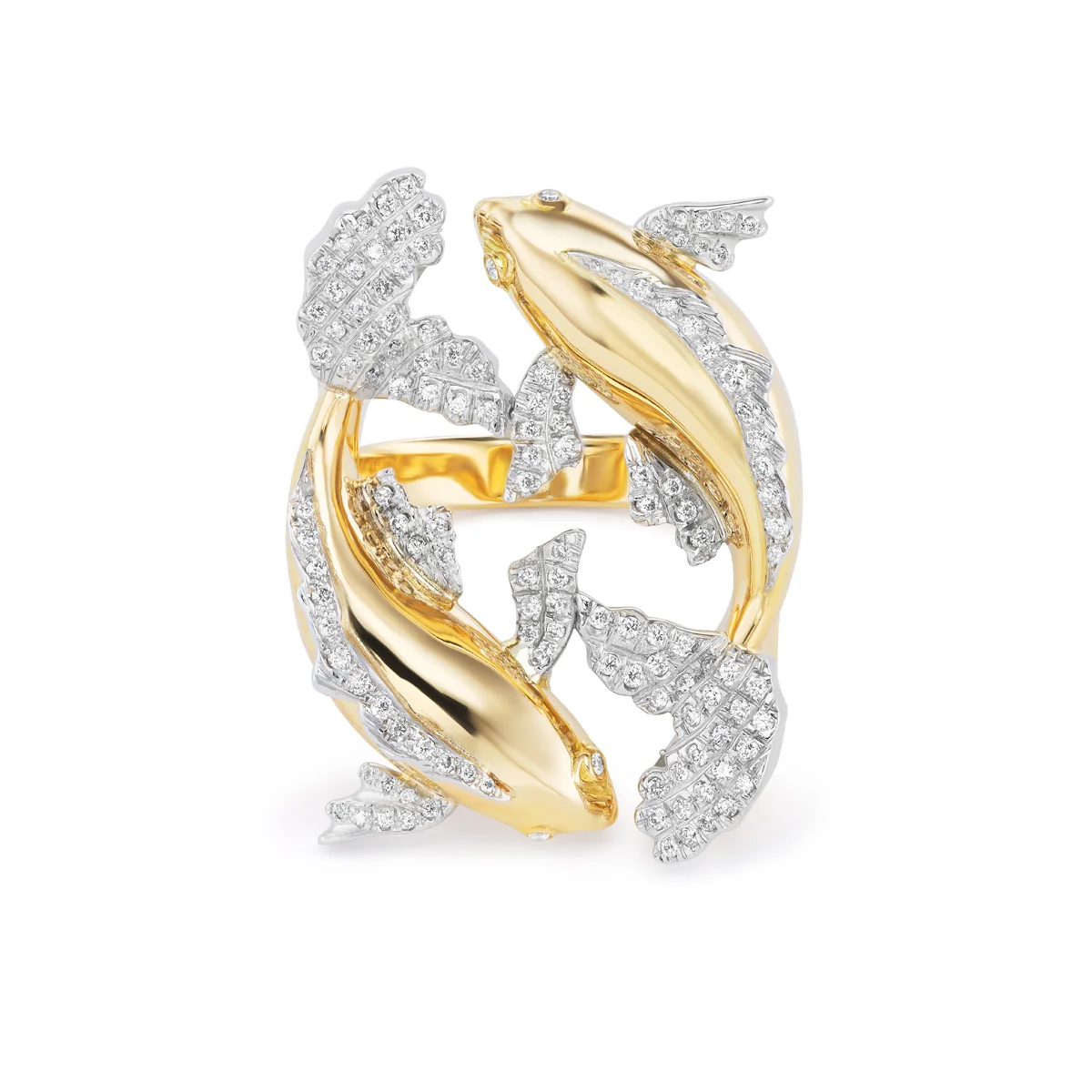
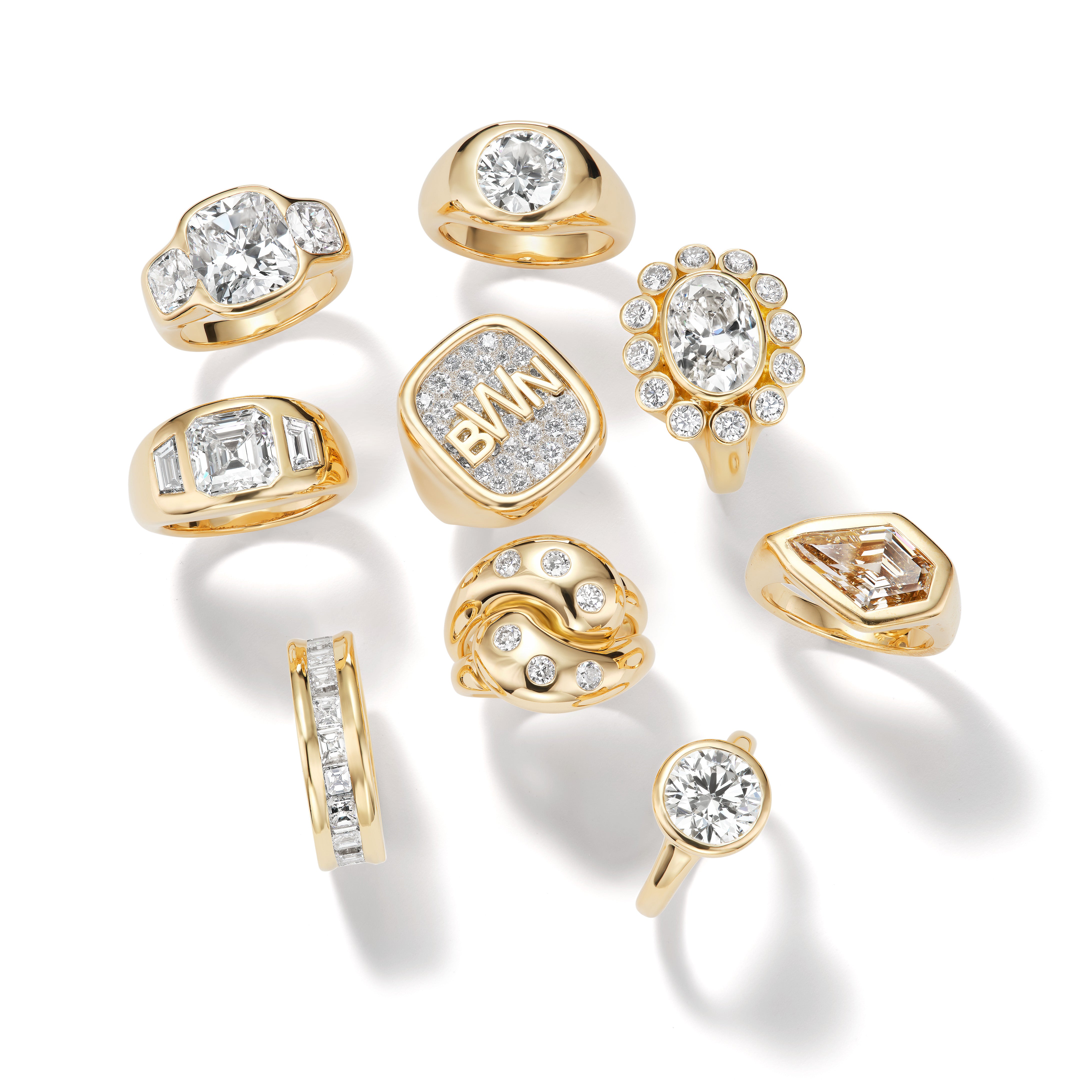
The work is whimsical, colorful, and personal, but it is also grounded in fine jewelry. I am interested in the contrast between an unexpected subject and precious materials. A mushroom, a doorway, a flower, or a rainbow can become the starting point for a jewel that is carefully constructed and meant to last. Childhood wonder is an important part of that language. I like the way it can sit alongside the seriousness traditionally associated with fine jewelry. The pieces are designed to bring pleasure, but they are not casual in their making. There is a great deal of thought behind the color, the proportions, the stones, and the craftsmanship.
Color is one of the most immediate qualities in your work. How do you begin building a palette?
Often, the stone leads the process. Natural stones have a depth and variation that cannot be replicated with a flat surface, and I respond to those particular qualities. I might begin with an unusual piece of agate, lapis, malachite, or another carved stone, then build the surrounding design from there. The colors need to work together, but I am not looking for perfect uniformity. I enjoy combinations that feel a little unexpected. The palette can be bright and joyful, or it can be more earthy and restrained, depending on the story behind the piece. The stone gives the design its first sense of direction.
Carved stones and detailed lapidary work appear throughout your collections. What draws you to that process?
Carving gives a jewel a sense of volume and personality. It allows a stone to become more than a surface of color. A flower, shell, animal, or mushroom can have a recognizable form, while still retaining the natural character of the material. The process is demanding because stones can break, and the work requires both skill and patience. That difficulty is part of what makes the result special to me. I like knowing that the final piece carries evidence of a very specific material and a very careful process. It creates a connection between the idea, the stone, and the person who eventually wears it.
Many of your motifs suggest fairytales, secret gardens, or alternate worlds. Where do those references come from?
They come from a combination of art, literature, travel, and the imaginative freedom of childhood. I have always been drawn to objects that suggest a story without explaining everything. A doorway can imply a hidden garden. A mushroom can suggest a different scale or a different kind of landscape. A collection may begin with a painting, a place I have visited, or a cultural reference that I find visually compelling. I am interested in the tension between something familiar and something slightly surreal. That is where the jewelry begins to feel alive. It invites the wearer to bring their own associations to the piece.
Your collections often balance humor with luxury. How do you maintain that balance?
The balance comes from taking both sides seriously. The subject can be playful, but the materials and construction need to be exceptional. I am not interested in making a novelty object simply because it is amusing. The design has to work as jewelry, and it has to reward a closer look. Color, scale, proportion, and craftsmanship all help create that tension. A whimsical motif can become sophisticated when it is translated into gold and carefully selected stones. At the same time, I do not want the preciousness of the materials to remove the sense of pleasure. Jewelry should have presence, but it should also make the wearer smile.
Why has it been important for you to keep production in New York City?
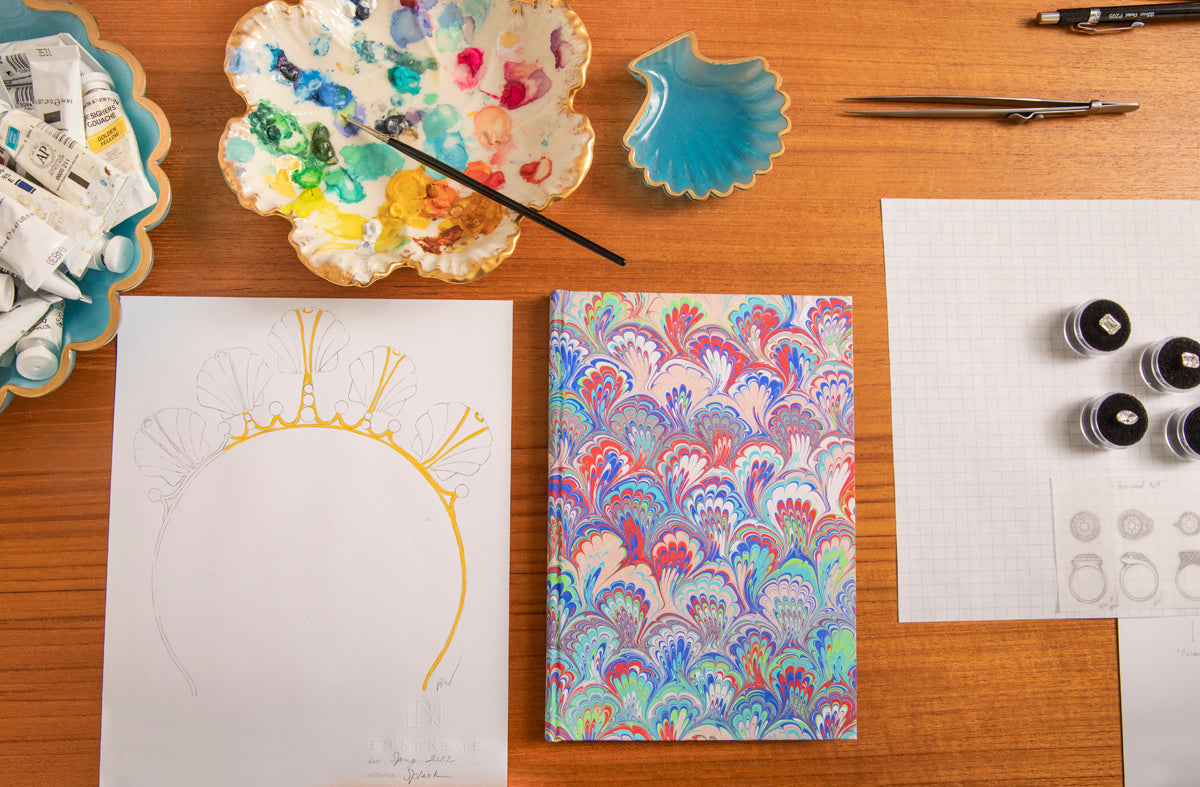
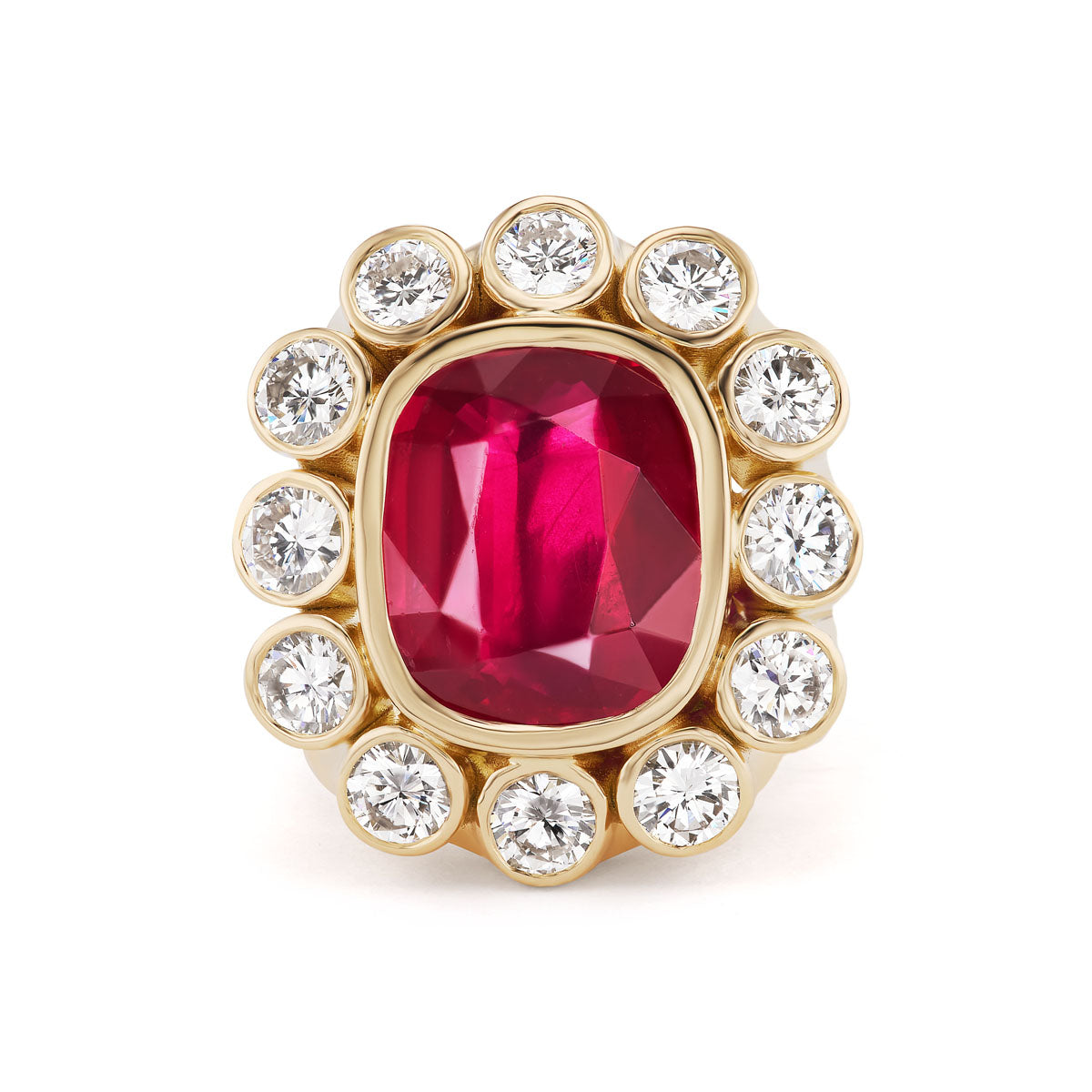
New York is central to the way the brand works. I collaborate directly with stonecutters, model makers, gem suppliers, and bench jewelers, many of whom are based around 47th Street. Being able to visit the people working on a piece allows me to stay involved at every stage, from the initial sketch through the wax model and final setting. It also creates an ongoing relationship with the craftspeople who are interpreting the design. Keeping production here supports a remarkable jewelry community and preserves access to generations of expertise. For a small house making one of a kind and limited pieces, that close exchange is especially valuable.
Brent Neale is known for jewels that feel highly individual. What makes a piece feel complete to you?
A piece feels complete when the design, the materials, and the craftsmanship are all working together. I need to understand why each element is there, whether it is a particular stone, a color relationship, or a small detail that may not be immediately visible. I also think about how the piece will live with someone. Fine jewelry should be special, but it should not feel so precious that it remains untouched. The final test is personal: would I be proud to wear it myself, and does it communicate the feeling that led me to make it? If the answer is yes, the piece is ready to leave the studio.