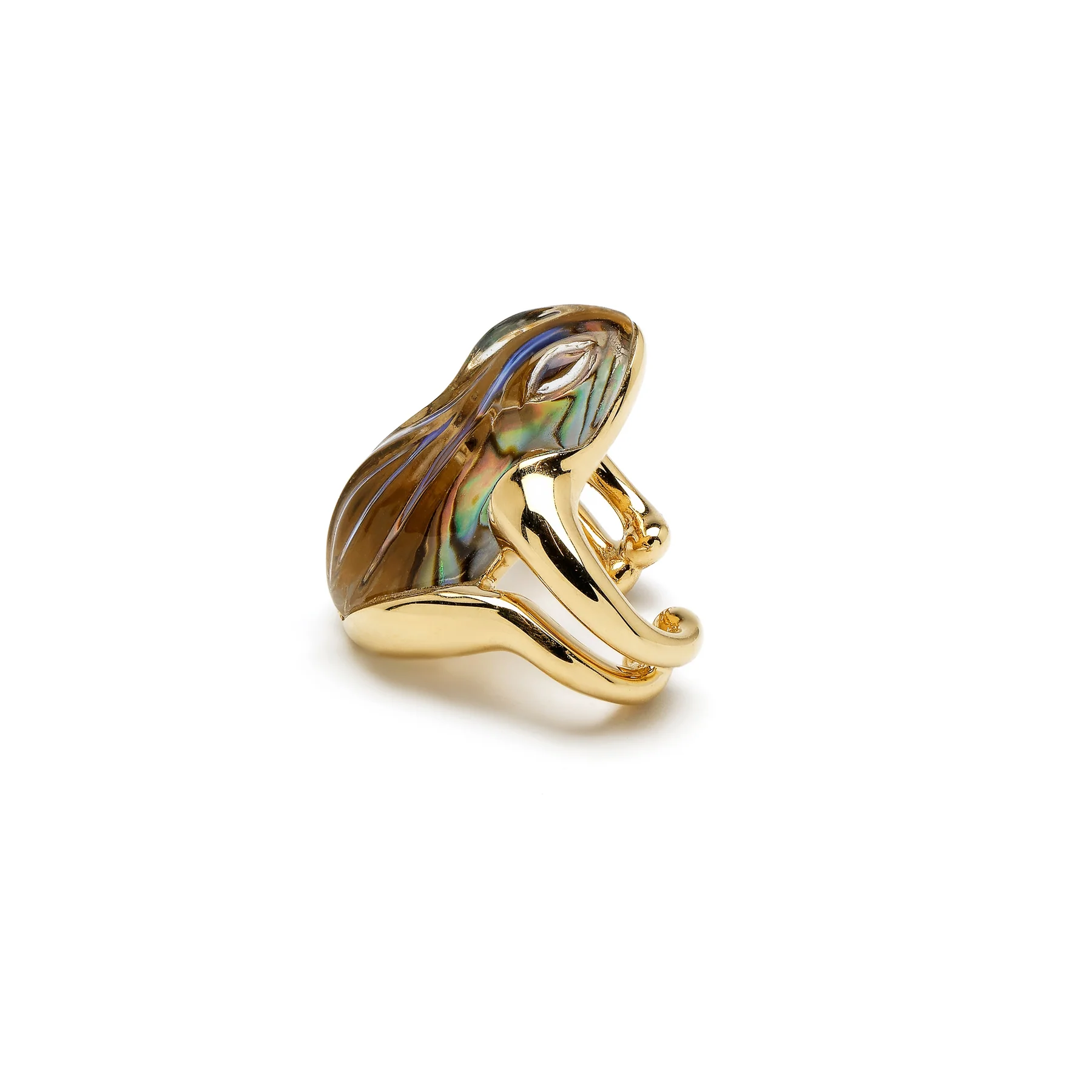
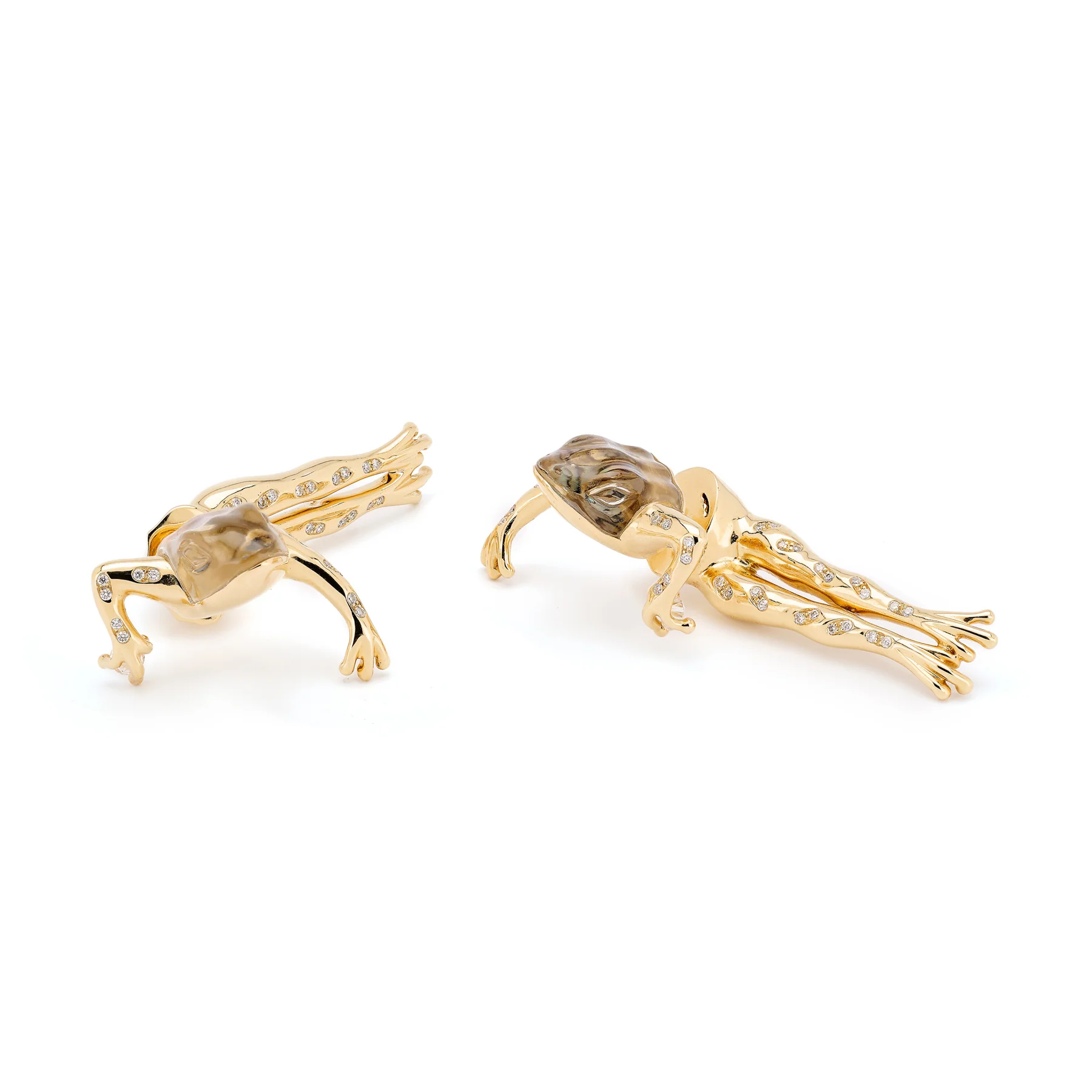
Profile
David and Sybil Yurman: A Life in Art, Made Wearable
Hannah R. Harris / Nov 20, 2025

From sculpture and natural history to traditional craftsmanship and playful storytelling, Bibi van der Velden creates jewellery designed to be worn, explored, and remembered.
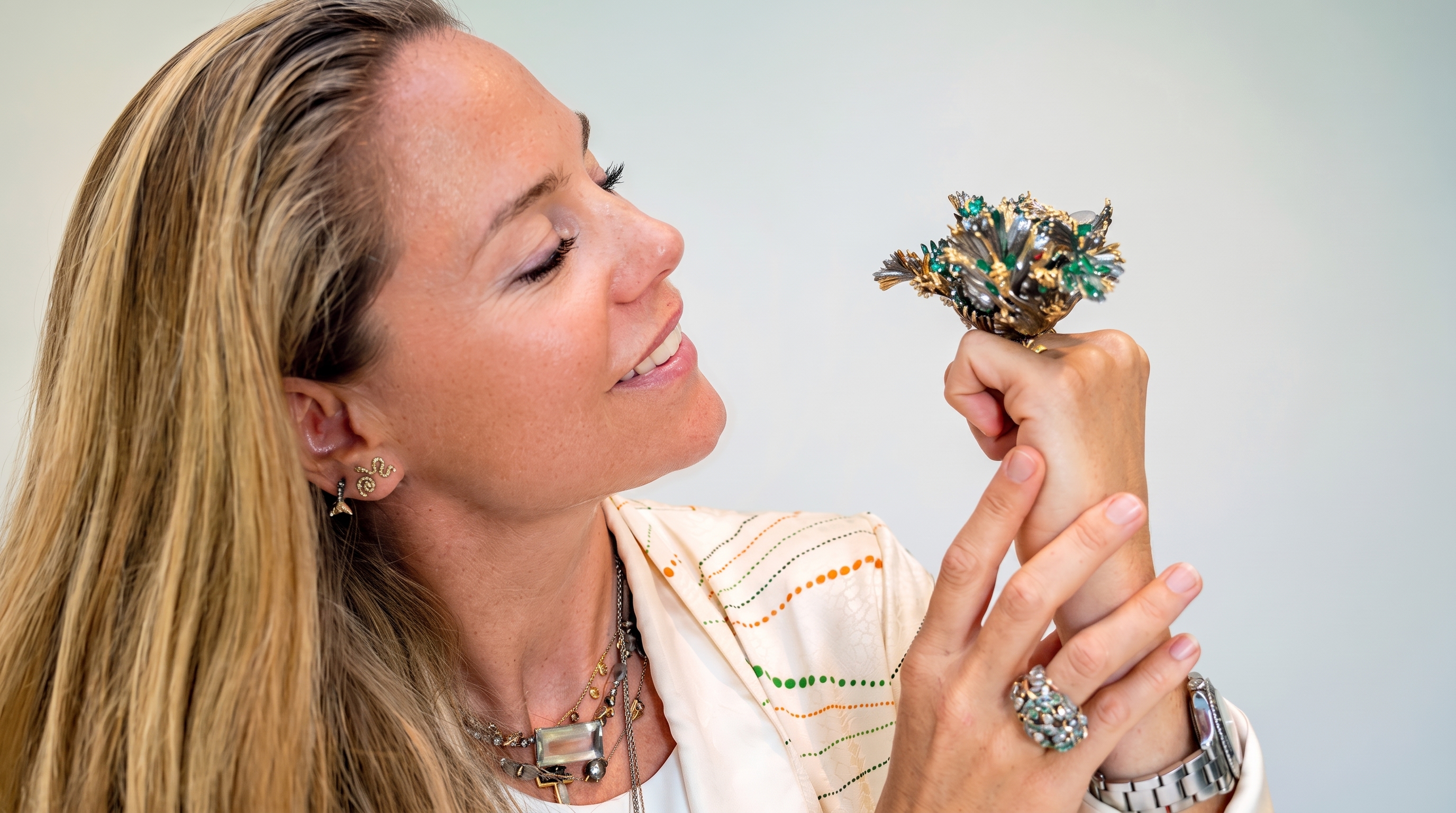
Bibi van der Velden trained as a sculptor in Florence, Amsterdam, and The Hague before turning to jewellery, drawn to materials with their own history, including mammoth tusk from the Siberian permafrost and scarab wings. Her pieces are produced by artisans in Amsterdam and Bangkok, often built around a hidden mechanism or a moment of movement.
Your work sits between jewellery and sculpture. Where does that relationship begin for you?
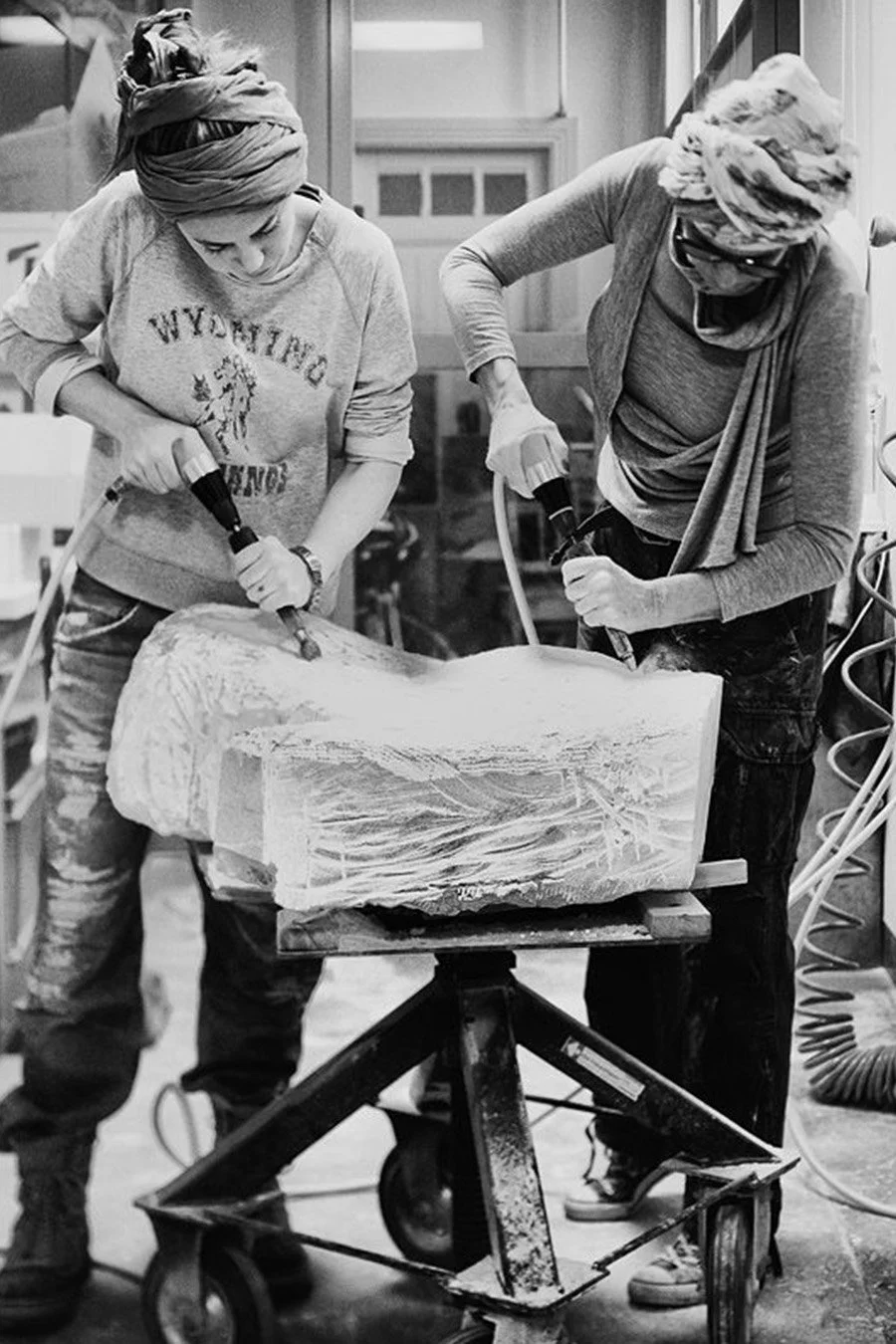
I trained as a sculptor, first in Florence and later in Amsterdam and The Hague, so sculpture has always been the foundation of my practice. My mother is also a sculptor, and some of my earliest memories are of being in her studio. Jewellery became a natural progression because it allowed me to combine the freedom and expression of sculpture with the precision of metalwork. I think of each piece as a miniature sculpture, but one that has a life on the body. It moves, catches light, and becomes part of the person wearing it.
What did your education in Florence contribute to the way you see materials?
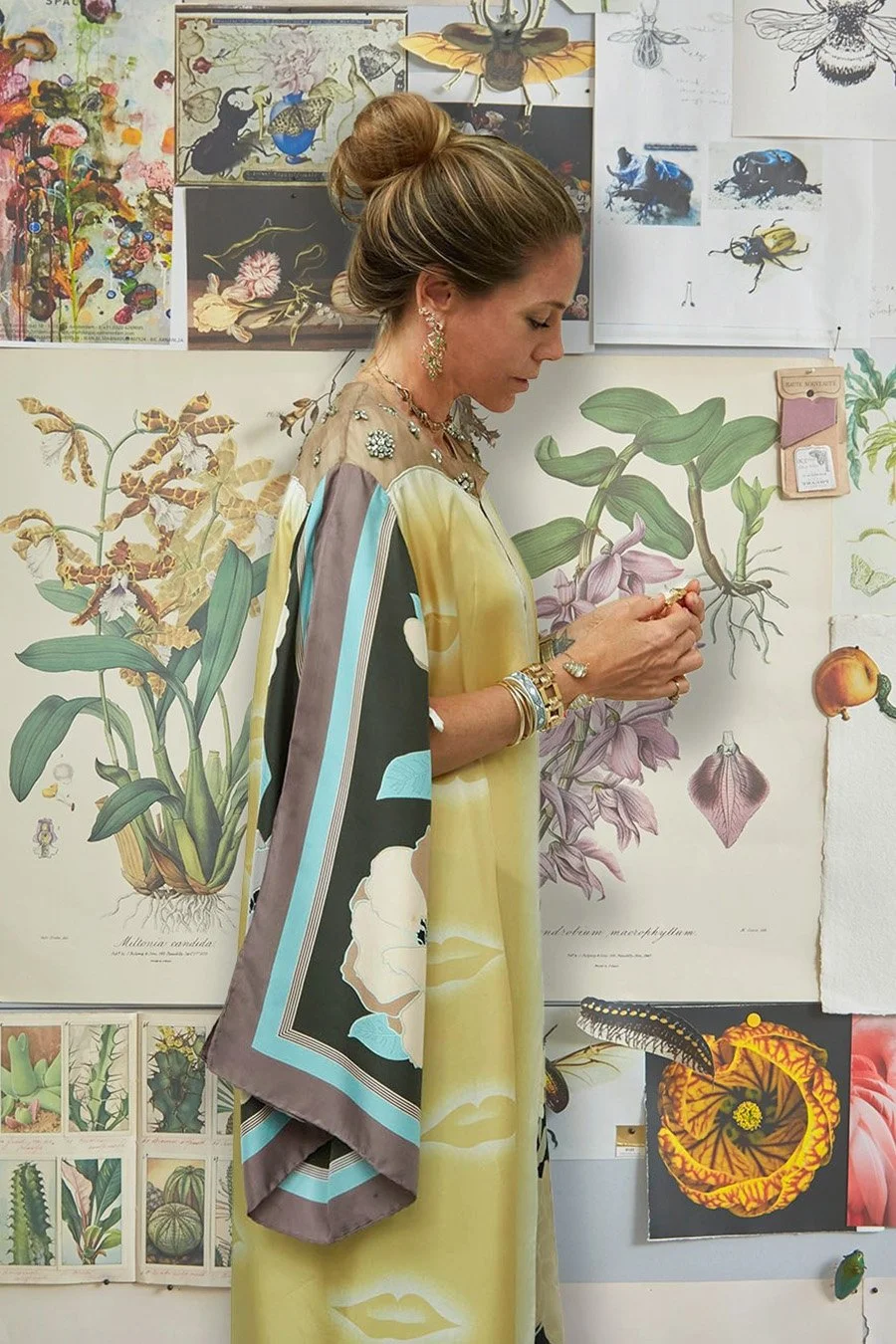
Florence gave me a deep appreciation for art, history, and the physical qualities of materials. I spent a great deal of time visiting museums and looking through market stalls, where I found antiques, old jewellery, and objects with a sense of history. My first jewellery pieces combined things such as ostrich eggs, shells, and feathers with those discoveries, alongside my fascination with metallurgy. That period taught me to look closely and to stay open to unexpected combinations. I became interested not only in the beauty of a material, but also in its age, its origin, and the story it might carry into a new form.
How does a piece usually begin in the studio?
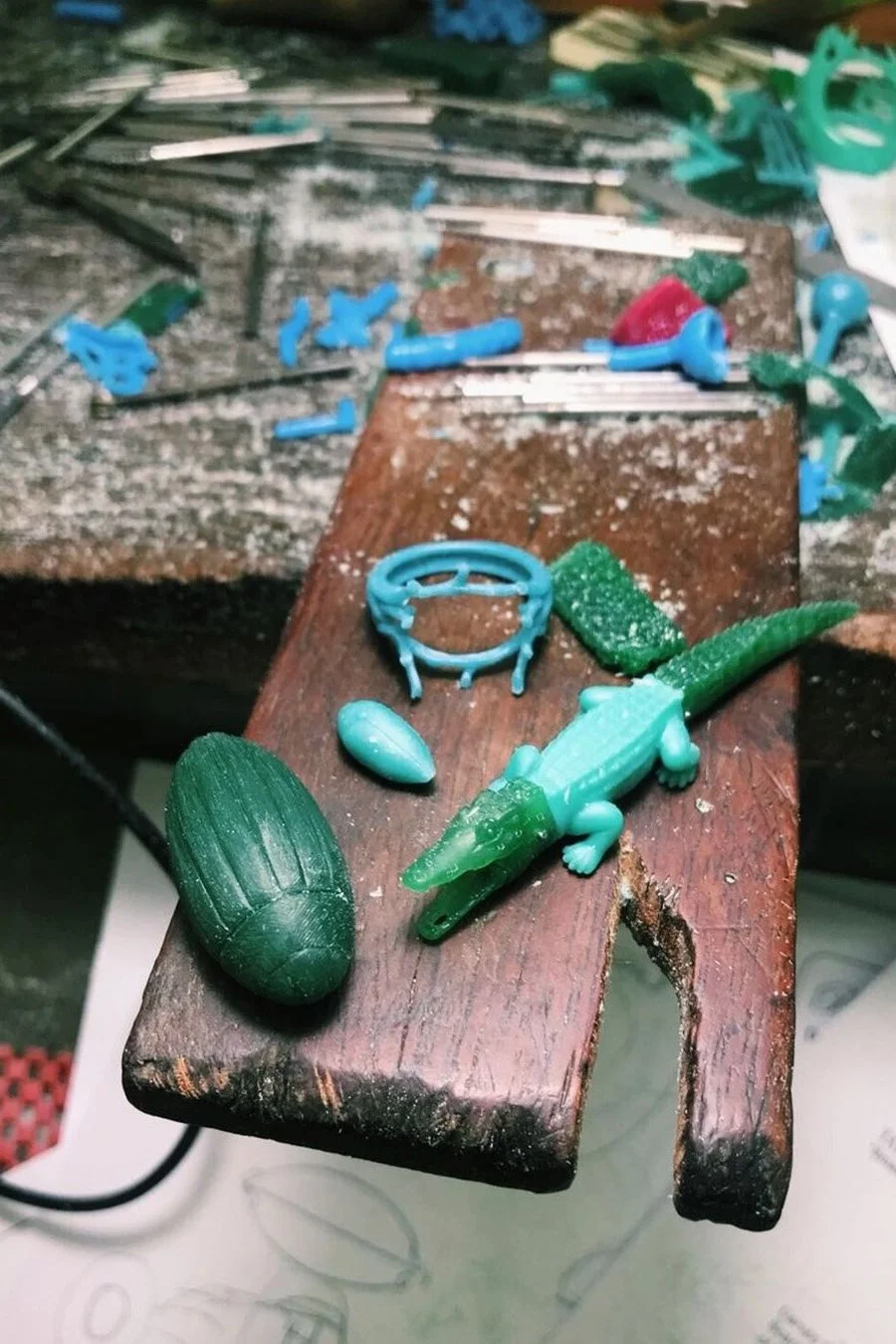
There is no single starting point. Sometimes an idea begins with a drawing, and sometimes it begins with a stone or another material that suggests its own direction. I am constantly looking, taking photographs, collecting references, and noticing small details in the world around me. A movement in nature, the shape of a wave, or the curl of smoke can become the beginning of an idea. Once the direction is clear, I often make the first model by hand in wax. That stage is very important because it allows the design to develop physically, through touch, rather than remaining only an image on paper.
Nature appears throughout your work, from animals and insects to storms and the ocean. What continues to draw you to it?
Nature is endlessly inventive. It produces forms, colours, textures, and structures that are difficult to improve upon. I am interested in both its beauty and its force. Animals can suggest character and movement, while natural phenomena such as tornadoes, wildfires, waves, or melting ice can express something more powerful and fragile at the same time. I do not want nature to be used simply as decoration. I want it to shape the design, whether that means following the structure of a wing, capturing the movement of water, or allowing the personality of an animal to emerge through the piece.
You work with materials including mammoth tusk and scarab wings. What makes an unusual material right for jewellery?
A material becomes interesting when it brings its own history and physical qualities to the design. Mammoth tusk is a fossil material from the Siberian permafrost, and working with it connects me directly to my sculptural background. It has a presence that is very different from metal, and its qualities influence the shape as I carve it. Scarab wings have a remarkable iridescence, and the wings we use are a by-product of beetles that are eaten in parts of Southeast Asia. I am drawn to materials that are unexpected, responsibly sourced, and capable of revealing something that would not be possible with conventional jewellery materials alone.
How do you balance playfulness with the seriousness of fine craftsmanship?
For me, the two belong together. A design can be playful in its subject or in the way it surprises you, while still requiring enormous discipline to make. The craftsmanship is what gives the imagination a convincing physical form. Our pieces are developed through handwork, careful modelling, casting, carving, setting, and finishing. I also like to include details that reveal themselves gradually, such as a hidden ring, a moving pearl, or an element that opens and closes. Those details should feel natural to the piece, but they depend on precision. The playful quality comes alive because the construction is so carefully considered.
Sustainability is part of the brand's stated philosophy. How does it influence the design process?
Sustainability begins with the understanding that jewellery should be made to last. Our designs are not intended to follow short-lived trends. They are created as pieces that can be treasured and passed on. We work with recycled gold and seek responsibly sourced diamonds, rubies, and emeralds. We also consider the origin of unusual materials and the people involved in making each piece. Production takes place with artisans in Amsterdam and Bangkok, where traditional skills and livelihoods are important to preserve. Because nature is such a constant source of inspiration for me, responsibility towards the environment and the people connected to the work cannot be separated from the design itself.
Your pieces often contain a hidden element or a sense of movement. Why is interaction important to you?
Jewellery is very close to the body, so I want it to feel personal rather than static. Movement gives a piece another dimension. A pearl can spin, a wing can shimmer, or a hidden form can appear when a ring is opened. These details create a small discovery for the wearer, and they also invite other people to look more closely. I enjoy the idea that a jewel may reveal itself slowly, instead of explaining everything at first glance. That sense of discovery helps create a relationship between the object and the person wearing it.
How do you hope people experience a Bibi van der Velden piece?
I hope it brings the wearer a feeling of energy and joy, but also a sense that the piece belongs specifically to them. Jewellery can express something without words. It can mark a moment, carry a memory, or become part of someone's identity over time. I like jewellery that starts a conversation, but it does not have to be loud to be meaningful. The most important thing is that the wearer feels a connection to it. Whether the piece is inspired by an animal, a landscape, or an unusual material, it should ultimately become personal through the way someone chooses to live with it.