Profile
Gucci Westman on the Art of Making Beauty Feel Like Yourself
Kayla M. Walker / Aug 8, 2026

Ingredient literacy and routine-building are shifting prestige beauty budgets toward products used repeatedly, measured gradually, and explained through skin health.
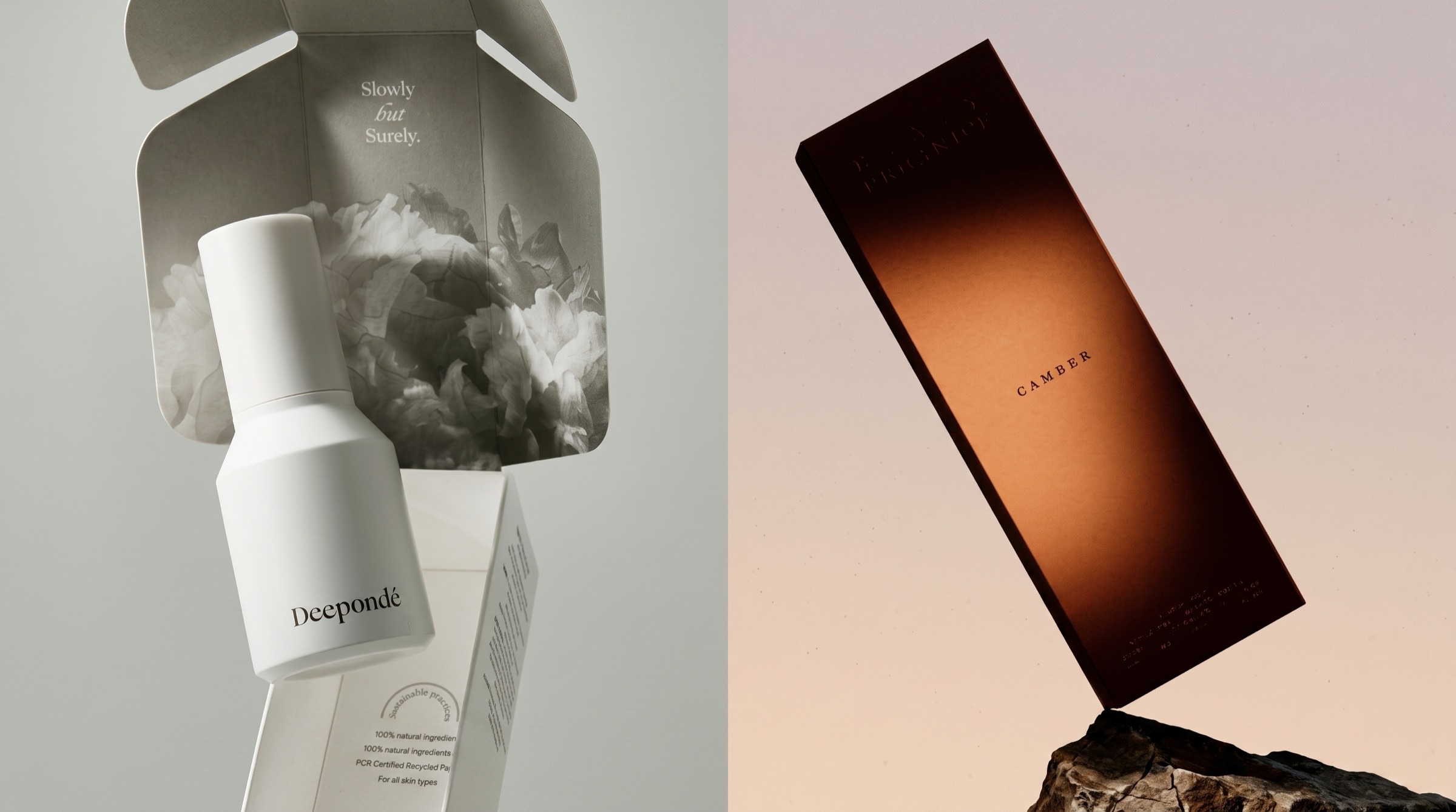
Prestige skincare has gained structural advantages over makeup because it fits the way consumers increasingly evaluate beauty spending. A lipstick can signal novelty, but a serum, moisturizer, or treatment product can be placed inside a repeated regimen with a visible purpose. The distinction matters when household budgets are under review. Skincare is purchased as maintenance, treatment, and prevention. Makeup is more exposed to saturation, substitution, and the consumer’s existing inventory.
The category scale is substantial. L’Oréal’s 2025 annual report identifies skincare as 39 percent of the global beauty market, making it the largest of the major beauty categories tracked by the company. In L’Oréal’s own 2025 sales mix, skincare represented 37 percent of sales and makeup represented 19 percent. Those figures describe the group’s business rather than the full prestige market, but they show the economic weight of skin products across a diversified portfolio.
Circana reported that United States prestige beauty dollar sales reached $33.9 billion in 2024, up 7 percent from the previous year. Circana also reported that prestige face makeup products with moisturizing, brightening, and mattifying benefits outpaced skincare products with comparable benefits. That finding complicates a simple skincare-versus-makeup narrative. Makeup is gaining when it borrows the language and utility of skincare. The commercial direction is therefore less about abandoning color than about attaching color to a skin concern.
The market has spent years translating formulation into consumer vocabulary. Niacinamide, retinol, salicylic acid, peptides, ceramides, vitamin C, and hyaluronic acid now operate as recognizable product signals. Consumers do not need laboratory training to understand that a product is designed around a named ingredient and a defined concern. Ingredient familiarity reduces the distance between a formula and its proposed use.
McKinsey’s 2025 beauty research describes efficacy as the most important purchase factor in beauty and notes that consumer attention to ingredient lists changes as categories mature. This does not mean every shopper reads an ingredient declaration closely or understands concentration, delivery system, stability, or compatibility. It does mean that brands can build a retail proposition around education. A product page, consultation, creator demonstration, or shelf label can explain why a formula belongs in a routine.
That education also creates a ladder of spending. A consumer may begin with a cleanser, add a moisturizer, then move toward a serum, exfoliant, eye product, or sunscreen. Each item has a role within the same system. Makeup has its own ladders, but they are often driven by shade, finish, or collection cadence. Skincare can make the next purchase feel like completion rather than replacement.
The language of skin health has also widened the addressable market. Anti-aging claims remain important, but brands now sell around hydration, barrier support, acne, pigmentation, redness, sensitivity, and post-procedure care. These concerns occur across age groups and can support multiple price points. L’Oréal’s 2025 reporting emphasized the continued performance of dermatological beauty, with SkinCeuticals contributing to growth and CeraVe maintaining momentum. The company’s portfolio is evidence of a broader industry pattern: clinical cues and consumer accessibility can coexist.
Routine products create a more reliable replenishment cycle. A foundation may last for months, and a color product can remain usable long after the consumer’s attention has moved elsewhere. A daily moisturizer or treatment product is consumed according to habit. That difference supports forecasting, subscription programs, replenishment reminders, and cross-selling.
The mechanic is visible in retail data. Circana reported that all major prestige beauty pillars grew in 2025, while makeup growth was anchored by hybrid formats that combine color with skincare benefits. Makeup therefore remains commercially important, but its growth is increasingly tied to the same logic that supports skincare: functional language, repeated use, and perceived benefit beyond appearance.
This shift changes launch strategy. Brands need evidence that a product works within a regimen, not only that its texture or packaging photographs well. They need clear sequencing guidance, credible claims, stable supply, and education that does not turn ordinary cosmetic benefits into medical promises. The more a product is positioned as treatment, the greater the burden on substantiation and communication.
For retailers, the implication is a different use of space. A skincare fixture can be organized by concern, ingredient, routine step, or level of intervention. Makeup remains organized by shade, format, and finish, but hybrid products increasingly bridge the two systems. The winning shelf is one that helps the shopper understand what happens next.
Prestige skincare will continue to face pressure from mass and masstige brands. McKinsey has reported that mass and masstige gained share in skincare and makeup over the past five years. Ingredient literacy can therefore widen competition rather than protect luxury pricing. Prestige brands need formulation credibility, professional validation, and a differentiated service layer to justify their premium.
The market signal is clear. Beauty budgets are moving toward products that can be explained, repeated, and connected. Makeup will participate when it adopts those mechanics. Skincare has already made them central.