Profile
David and Sybil Yurman: A Life in Art, Made Wearable
Hannah R. Harris / Nov 20, 2025

At Brilliant Earth, Beth Gerstein has spent two decades connecting design, technology, and responsible sourcing to create a jewelry business shaped by transparency and long-term impact.
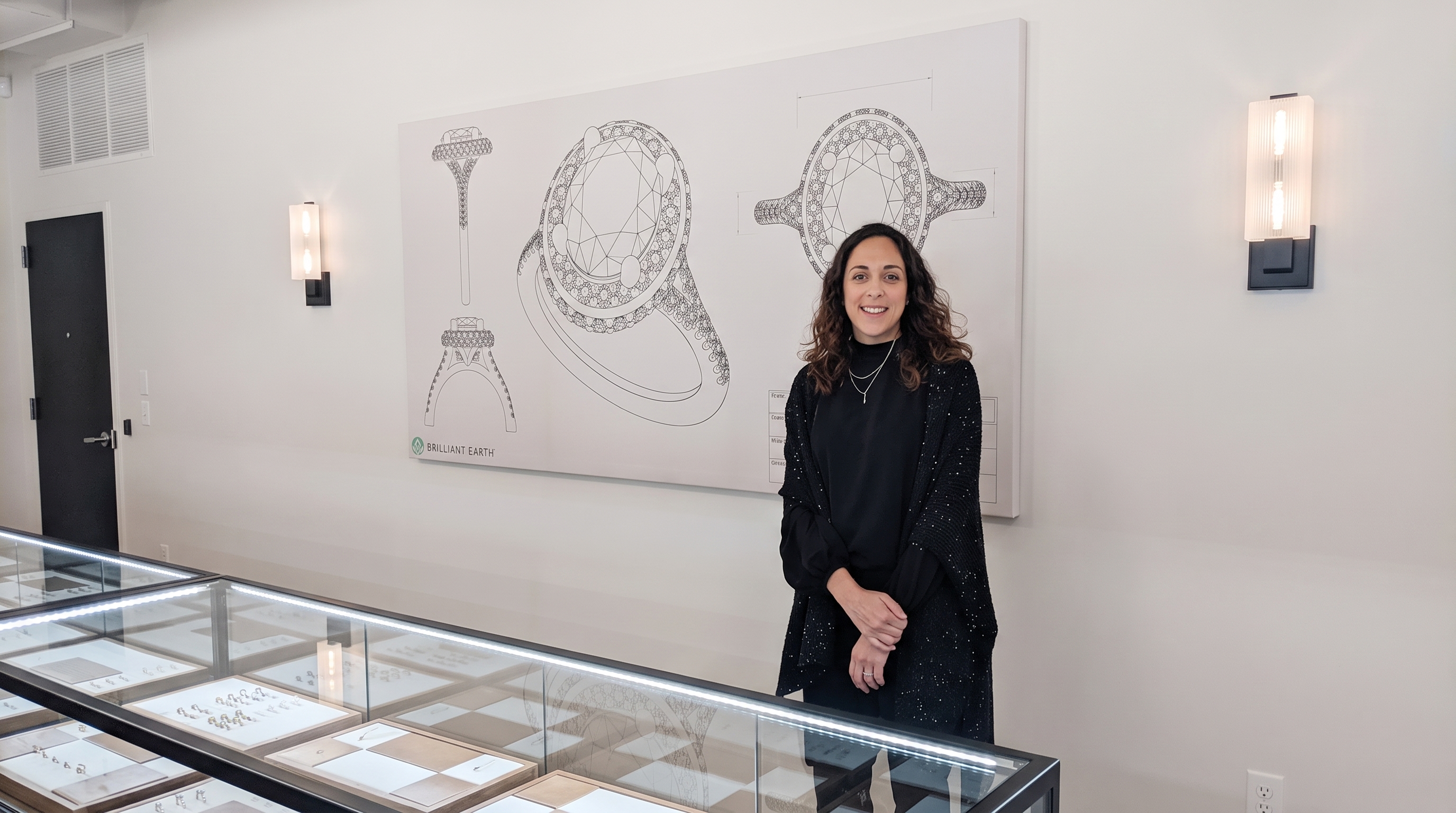
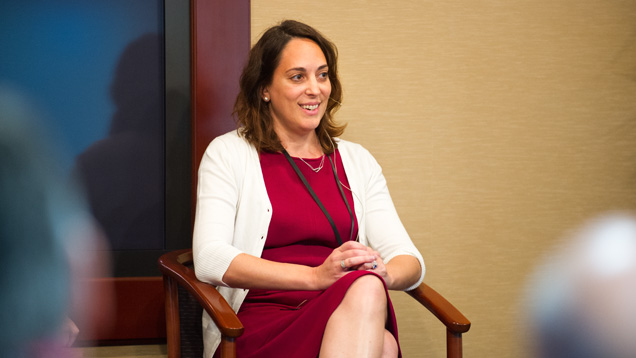
Beth Gerstein came to jewelry from biomedical and electrical engineering and a career in satellite communications. After struggling to find an engagement ring that matched her values, she co-founded Brilliant Earth with Eric Grossberg in 2005, building the business around transparent sourcing and a design-led shopping experience.
You came to jewelry from a background in biomedical and electrical engineering. What did that earlier work teach you about building a company?
Engineering taught me to enjoy complex problems and to approach them with curiosity, discipline, and persistence. Before Brilliant Earth, I worked in satellite communications, where the work required both technical precision and an ability to think about the larger system. Those habits have stayed with me. Building a company also means understanding how many different parts need to work together, from the customer experience and product design to operations, sourcing, and team culture. My engineering background gave me confidence that even an established industry can be examined, questioned, and improved. It also taught me to stay focused on the long-term objective when the path to get there is not always straightforward.
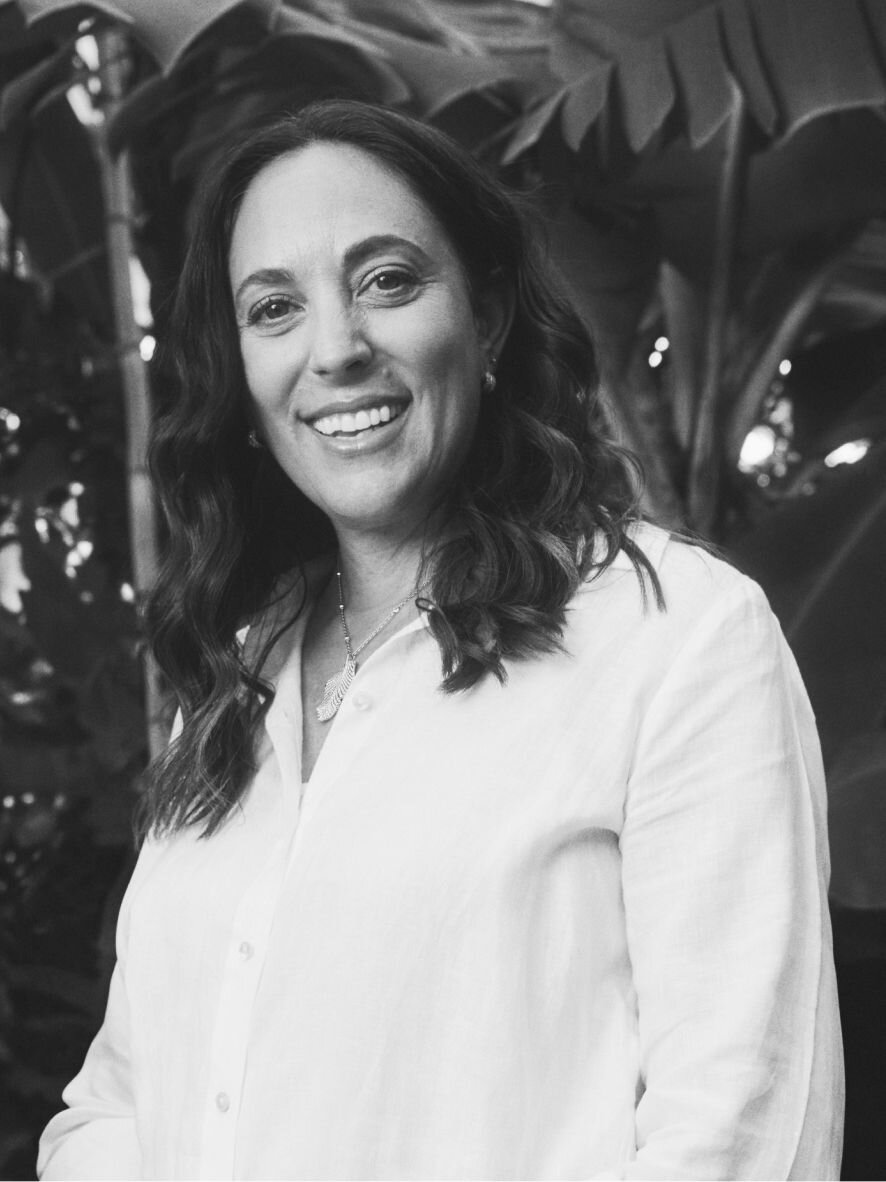
The company began after you found it difficult to shop for an engagement ring that reflected your values. What did that experience reveal to you?
It showed me that there was a real gap between what people wanted to purchase and the information they were being given about the products they were considering. I wanted a ring that was beautiful and meaningful, but I also wanted to understand where the materials came from and how they had been sourced. At the time, that information was difficult to find, and there were few companies making it central to the customer experience. Eric Grossberg and I saw an opportunity to build a business around that need. We founded Brilliant Earth in 2005 with the aim of making jewelry sourcing more transparent while offering a design-led shopping experience.
What did you and Eric Grossberg want to change about the jewelry industry from the beginning?
We wanted to challenge the assumption that customers should have to choose between beautiful design and responsible business practices. From the start, our goal was to create an e-commerce experience that combined fine jewelry with greater transparency and ethical sourcing. We also believed the customer relationship could be more educational and personal. Jewelry is deeply emotional, but the decisions behind a purchase can be complex. People deserve clear information about materials, sourcing, and the choices available to them. Over time, that idea has expanded into a broader mission focused on transparency, sustainability, compassion, and inclusion across the business and the industry.
Brilliant Earth was built as an online business before omnichannel retail became an established model. How did that shape the brand?
Starting online allowed us to rethink the traditional jewelry-shopping experience. Customers could explore a broad range of designs, compare options, learn about sourcing, and take time with a decision that is often highly personal. As the business developed, we saw that digital and physical experiences could make each other stronger. Showrooms provide an opportunity for customers to see pieces in person and work with a specialist, while the digital experience supports discovery and research before and after that visit. We think of the two channels as connected rather than separate. The goal is to make the experience feel personal, informed, and consistent wherever someone encounters the brand.
Transparency is one of Brilliant Earth's core principles. What does it require in practice?
Transparency has to be more than a message. It requires systems, standards, and a willingness to explain how decisions are made. In our case, that includes sharing information about the origins of materials, developing traceability tools, and setting sourcing standards that go beyond minimum industry requirements. It also means acknowledging that responsible sourcing is an ongoing process. Supply chains are complicated, and progress requires collaboration with suppliers, miners, manufacturers, and other partners. We want customers to have a clearer understanding of what they are buying and why particular materials or standards matter. That level of openness is essential to building trust.
Brilliant Earth offers both natural and lab-grown diamonds. Why was it important to keep those categories available side by side?
People come to jewelry with different priorities, preferences, and budgets, so we believe they should be able to make an informed choice. Natural and lab-grown diamonds are distinct categories, and each has its own considerations. Offering both allows us to meet customers where they are while maintaining our standards around information and responsible practices. We were among the early jewelry companies to offer lab-grown diamonds as a mining-free alternative, and we have continued to look at ways to improve their social and environmental profile. That includes auditing manufacturers for safe working conditions and encouraging greater use of renewable energy in the production process.
How do you think about sustainability beyond the diamond itself?
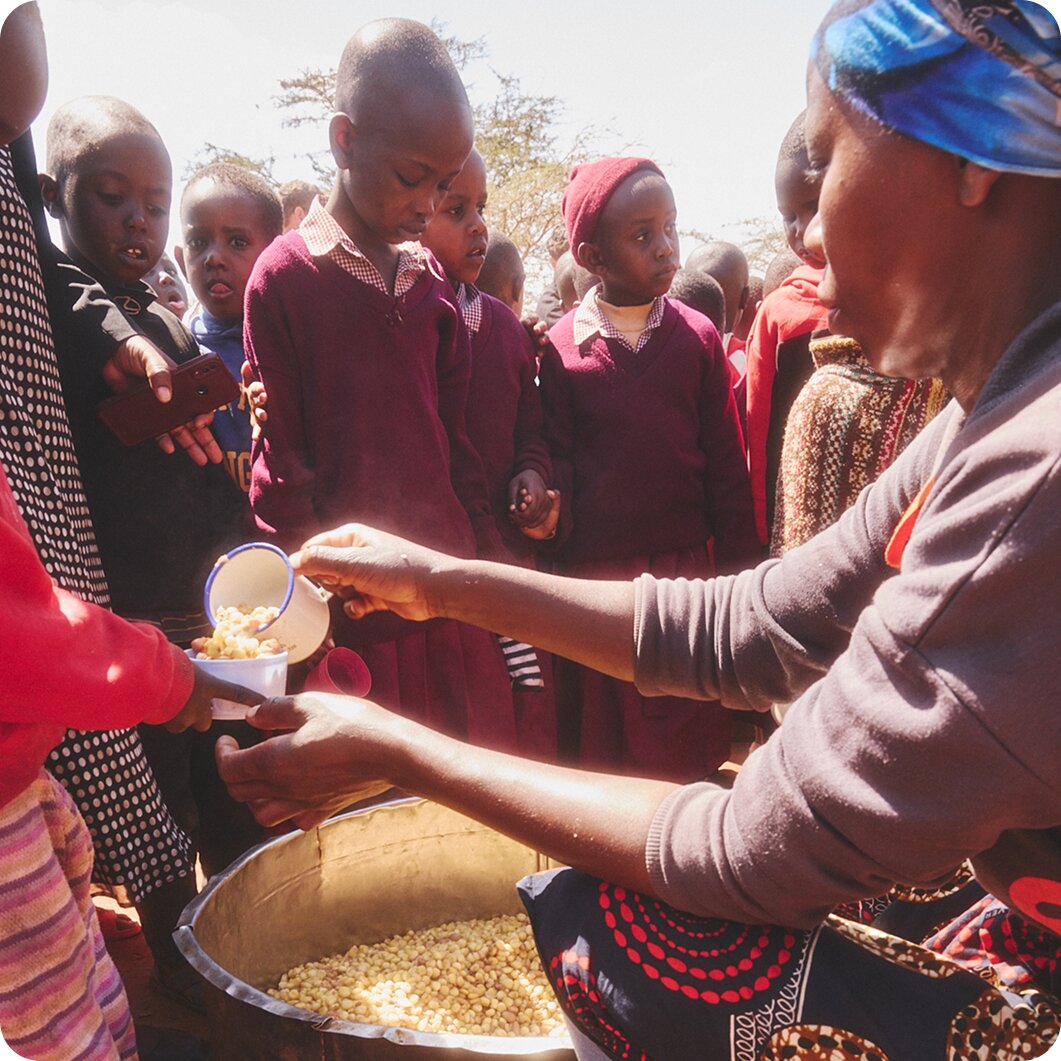
Sustainability has to be considered across the life of a piece of jewelry. That includes the metals and gemstones we use, the energy involved in our operations, packaging, manufacturing, and what happens to materials over time. We prioritize repurposed precious metals and Fairmined gold, and we work with partners supporting artisanal and small-scale mining communities. We have also focused on reducing packaging impacts and improving energy efficiency in our showrooms. Circularity is another important part of the picture. Jewelry is made from valuable materials that can remain in use for generations, so repair, upgrades, recycling, and thoughtful design all have a role in reducing the need for new extraction.
What have you learned about connecting commercial growth with social impact?
I have learned that impact has to be integrated into the business rather than treated as something separate from it. Customers, employees, and partners all need to see how the company's values influence its choices. That can mean investing in better sourcing systems, supporting mining communities, funding environmental work, or creating opportunities for people inside the organization. It also requires patience. Meaningful change in a supply chain or an industry does not happen through a single campaign. It comes from consistent standards, long-term relationships, and measurable commitments. Growth gives a company more reach, but it also brings greater responsibility to use that reach thoughtfully.
You have spoken about the importance of women's participation in both leadership and jewelry purchasing. How has that shaped your perspective as a founder?
Being a woman in engineering and later in the jewelry industry made me aware of how important representation is. When people see others with different backgrounds leading companies, making decisions, and shaping industries, it expands their sense of what is possible. At Brilliant Earth, we have worked to build a diverse and inclusive team because different experiences lead to better questions and more creative solutions. The jewelry customer has also changed. Women are increasingly active participants in engagement-ring decisions and in fine jewelry purchases more broadly. That shift reflects a wider change in agency, expectations, and the desire for products that feel personally meaningful.
Brilliant Earth became a public company in 2021. What changed for you as a leader, and what stayed the same?
Becoming public brought a new level of visibility and accountability, along with more stakeholders to consider. It created an opportunity to invest in brand awareness, the omnichannel experience, and international growth, but it also reinforced the importance of building for the long term. The day-to-day responsibilities changed, yet the central purpose of the company remained consistent. We are still focused on creating a more transparent, sustainable, compassionate, and inclusive jewelry industry. For me, leadership means holding onto that direction while being willing to adapt the way we operate as the company grows.
After twenty years, what continues to give you energy about the work?
The opportunity to keep improving an industry that touches people at significant moments in their lives still feels meaningful. Jewelry carries emotional and cultural significance, but it also has a material and human story behind it. There is always more to learn and more work to do in sourcing, sustainability, community investment, and inclusion. I am energized by the possibility of creating better systems while continuing to make pieces that people will wear and pass on. The company has grown considerably since its early days, but the founding question remains relevant: how can a business create beautiful products while contributing to a more responsible future? That question continues to guide us.