Profile
David and Sybil Yurman: A Life in Art, Made Wearable
Hannah R. Harris / Nov 20, 2025

For Beth Bugdaycay, jewelry is a personal language: a way to turn symbols, memories, and aspirations into modern heirlooms that accompany us through life.
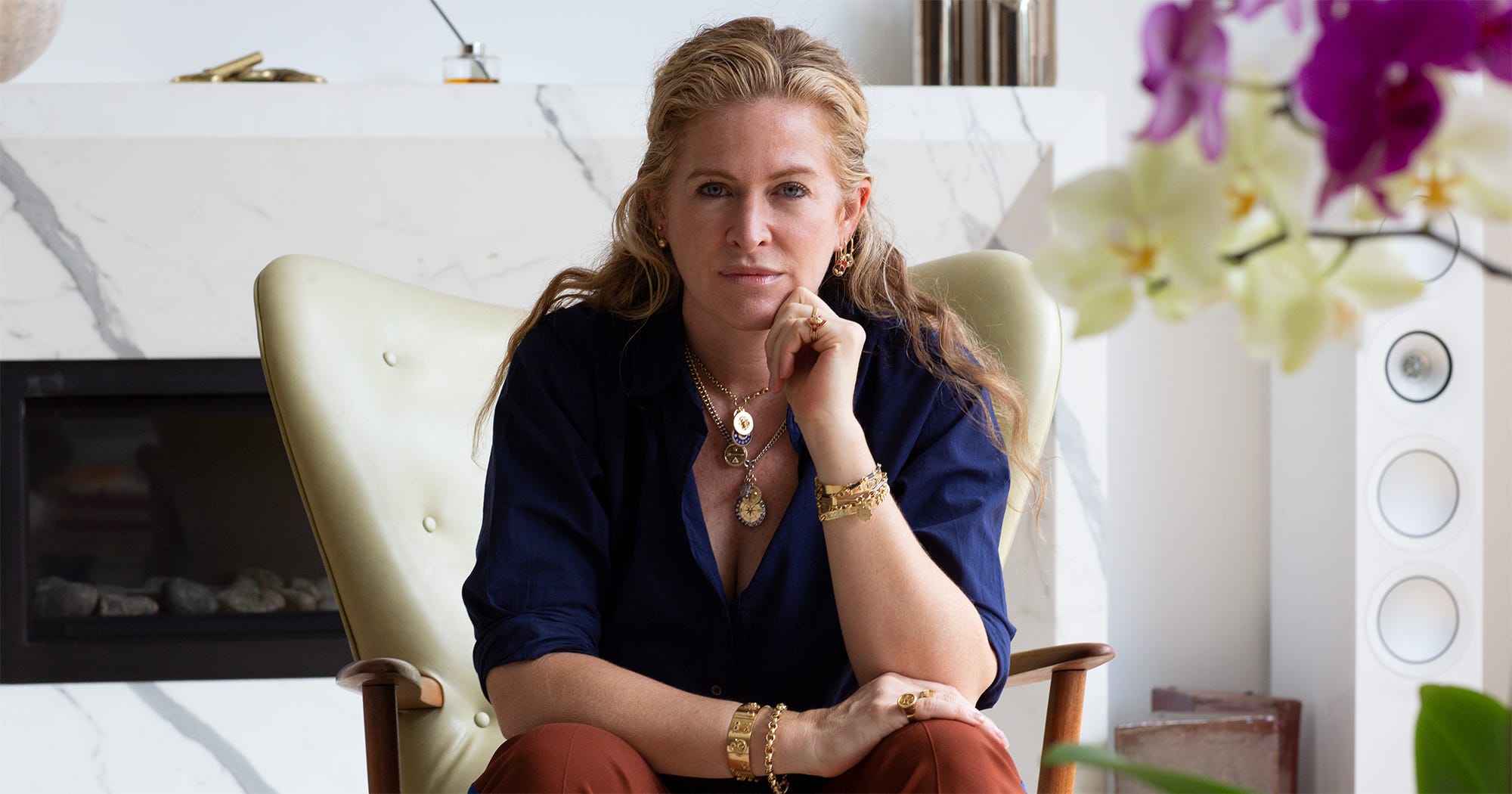
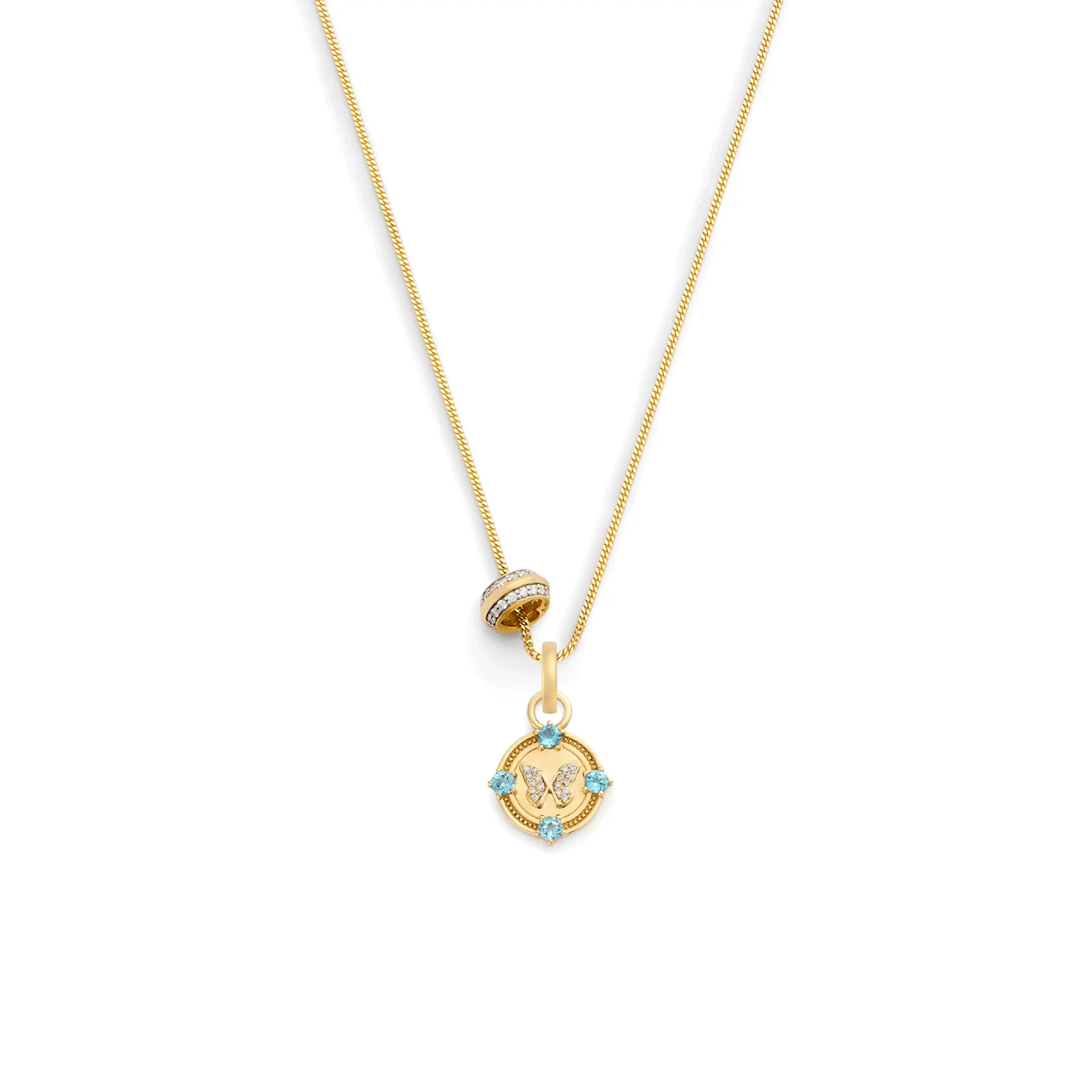
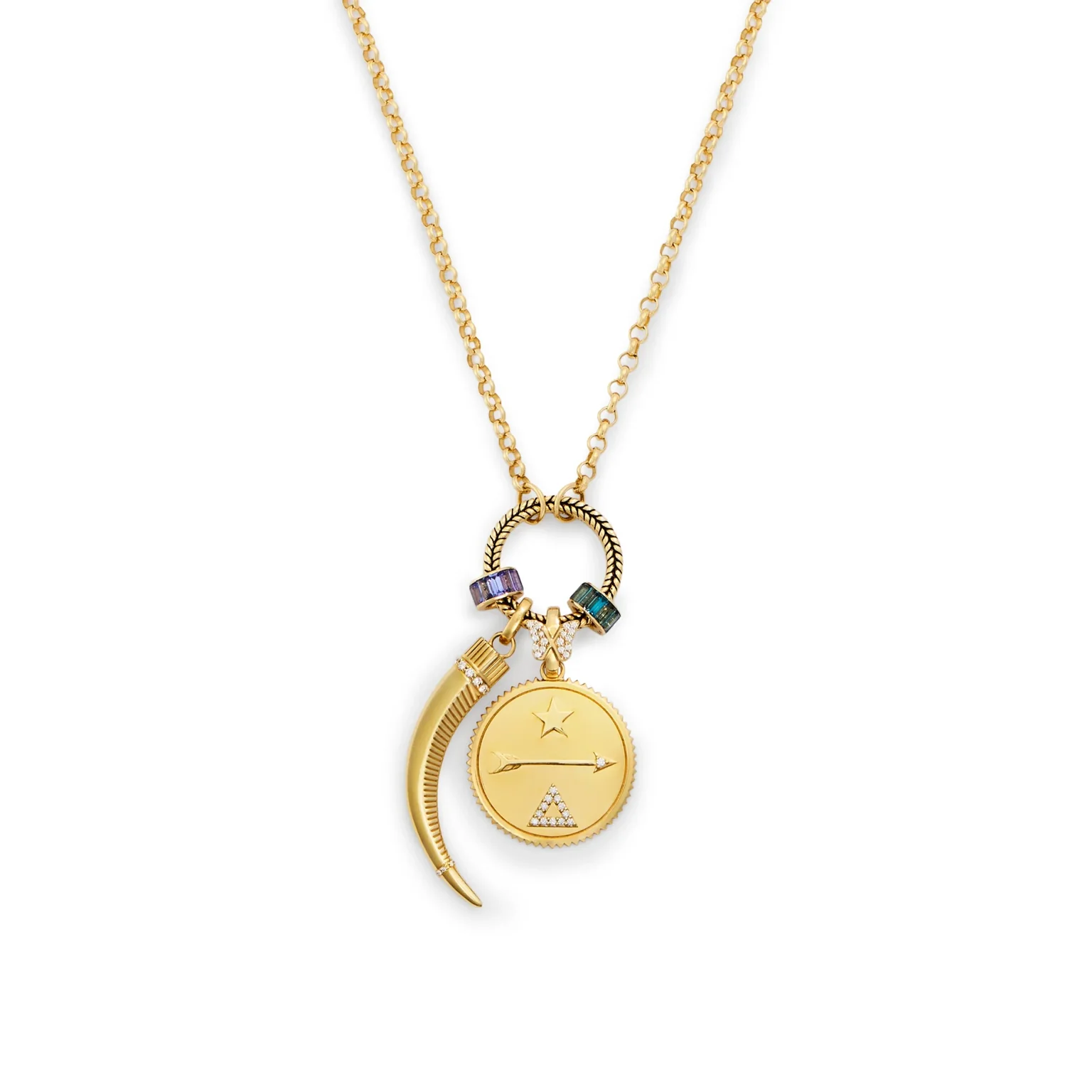
Beth Bugdaycay left a career leading a fashion company to found Foundrae, building the brand around a lexicon of symbols rather than a single design idea. It began with four tenets, Strength, Karma, Dream, and Protection, and has since expanded to include Wholeness, Passion, Resilience, Internal Compass, and Joy.
Before Foundrae, you had built and led a fashion company. What prompted you to begin again with jewelry?
I had spent many years in fashion, but eventually I felt disconnected from the work. I knew I needed to make something that felt more personal and creatively meaningful. Jewelry had always been part of how I expressed my own style, so the shift felt natural, even though I was entering a new discipline. I was drawn to the intimacy of jewelry and to the possibility of creating objects that could stay with someone for a very long time. Foundrae began with the desire to make work that felt connected to real life, with enough meaning to grow and change alongside the person wearing it.
Foundrae began with a lexicon of symbols and tenets. Why was that language the starting point?
The symbolism came before the jewelry. I began with four tenets: Strength, Karma, Dream, and Protection. The objects followed from there. I wanted to create pieces that could act as reminders of qualities we already carry within ourselves, even when we need help accessing them. Over time, the lexicon expanded to include ideas such as Wholeness, Passion, Resilience, Internal Compass, and Joy. Each tenet reflects a different part of being human. The language is personal, but it is also open enough for each wearer to find their own meaning in it.
You describe Foundrae pieces as modern heirlooms. What makes a piece worthy of being passed down?
It has to possess both physical and emotional longevity. The design needs to feel relevant beyond a single season, and the quality has to support years of wear. But that is only part of it. A piece becomes an heirloom when it carries a story. It might mark a relationship, a turning point, a personal ambition, or a quality someone wants to remember. I am interested in jewelry that accumulates meaning rather than becoming obsolete. The intention is for a piece to remain part of someone's life, and for its significance to deepen as the wearer changes.
Foundrae encourages people to layer and build their own combinations. What does that way of wearing jewelry allow?
Layering makes the jewelry autobiographical. Each person can begin with one symbol and gradually add others as their life develops. The result is not a fixed look or a prescribed message. It is a personal compilation of the things someone values, has experienced, or hopes to bring forward. I like that the pieces can be read privately or shared openly. Sometimes a symbol is meaningful because of its traditional association, and sometimes it matters because of what it has come to represent for that individual. The collection gives people a structure for telling their own story.
Your designs draw on historical and cultural symbols. How do you approach that research?
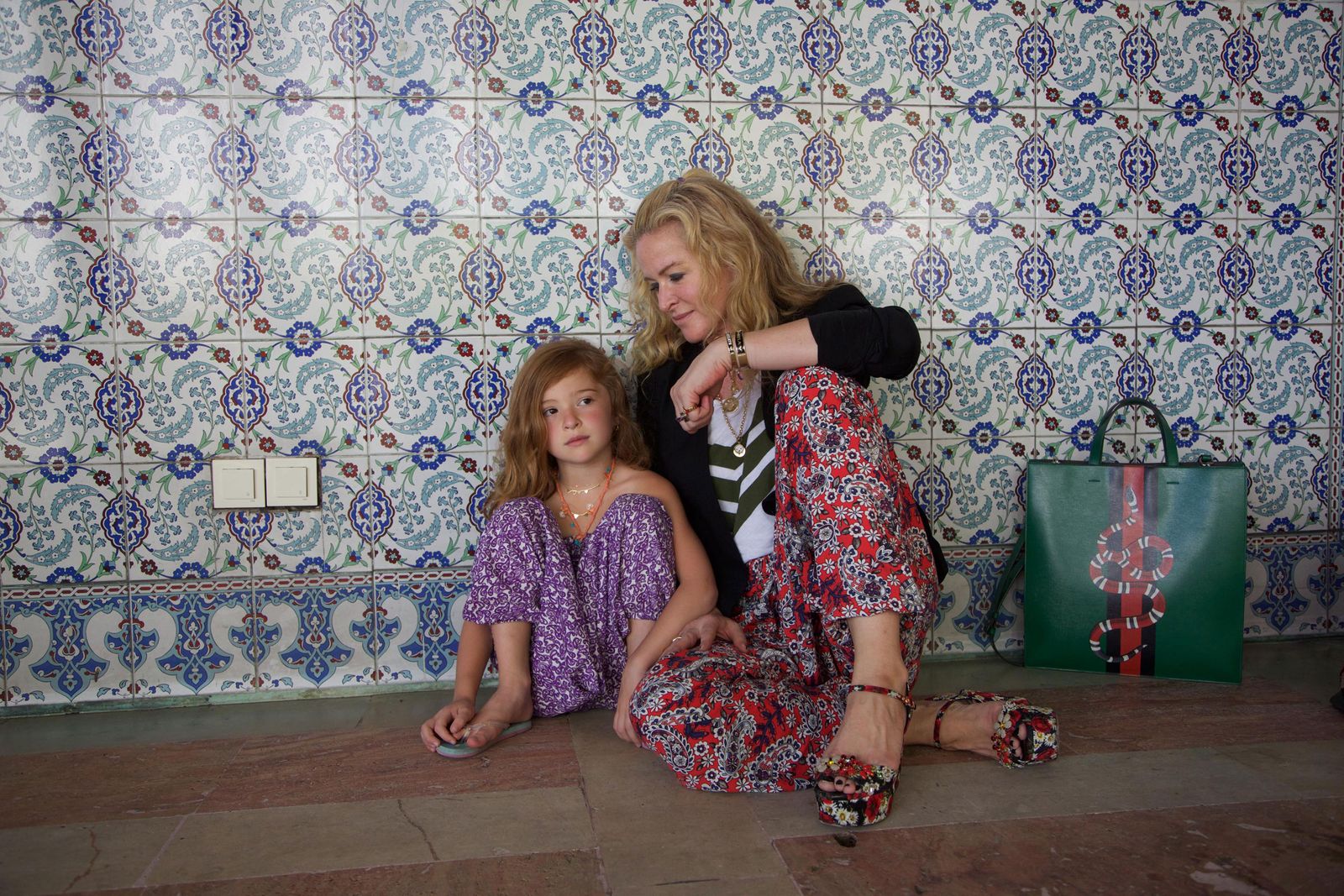
I am interested in how symbols move through time and across cultures. A symbol can begin in one context, be adopted by another, and continue to gather meaning as it travels. During a family trip to Turkey, I spent time looking closely at art, textiles, ceramics, and architecture. Iznik pottery, in particular, opened up a new line of research for me. I discovered the Chintamani motif, with its connections to Buddhist symbolism and its presence in Turkish art. What matters to me is not reproducing an antique object. It is understanding what made the symbol endure, then finding a way to reinterpret it through a contemporary design language.
How do you balance tradition with a distinctly modern point of view?
Historical references give a piece a sense of provenance, but I never want the work to feel like a replica. I look for elements that have emotional or visual power, then simplify, combine, or redirect them. A traditional motif might become a medallion, a ring, or a detail within a larger composition. The proportions, finish, and way the piece is worn can make something familiar feel entirely new. Foundrae is rooted in the past, but it is made for the present. That tension is important. The work should feel connected to history while still reflecting the way people live and dress now.
You have spoken about jewelry as a tool for self-discovery. What do you hope the wearer experiences?
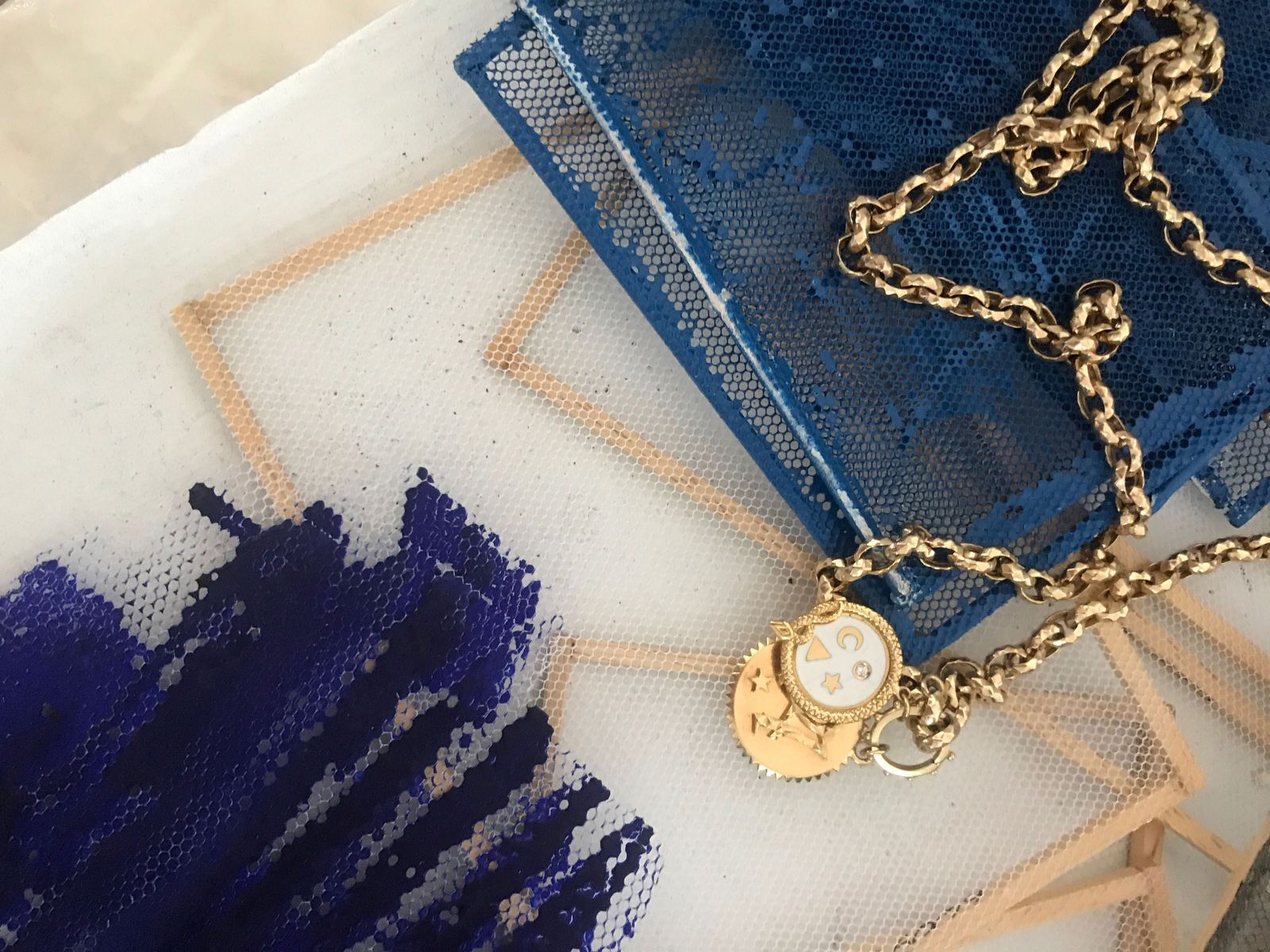
I hope the piece creates a moment of recognition. It might remind someone of a strength they have forgotten, a direction they want to pursue, or a person they want to honor. I do not believe the object gives us power from outside ourselves. Instead, it can help us notice what is already there and bring it into focus. That is why the pieces are designed to be worn close to the body. They become part of a daily rhythm, something visible in the mirror or felt in the hand. Meaning becomes more powerful when it is integrated into ordinary life.
Sustainability became an important consideration early in Foundrae's development. What changed your approach to materials and production?
About six months after starting Foundrae, I saw a documentary about the destructive practices associated with gold mining. It made me question where our materials came from and what kind of impact the business was contributing to. We began working with recycled gold and re-refined precious metals, and we became much more deliberate about choosing supplier partners. We look for capabilities, innovation, and a commitment to responsible practices. We also value long-term relationships, particularly with family-run businesses and artisans whose knowledge and techniques are essential to the work. The process has made us more conscious at every stage.
Foundrae has evolved through new tenets and collections while keeping its core language intact. How do you know when the brand needs to move forward?
The brand changes as life changes. The tenets are not a marketing exercise for me. They come from questions I am actively thinking about, so new ideas emerge when something becomes emotionally or creatively important. Joy, for example, came from thinking about the need to seek out moments of optimism and expansion. At the same time, evolution should not mean abandoning what already works. New pieces need to communicate with the existing collection and make sense alongside what people already own. I want the work to add dimension, not encourage constant replacement.
What continues to inspire you as a designer?
I am inspired by objects with a sense of history, whether they are pieces of jewelry, ceramics, textiles, furniture, or fragments found in a market. I keep notebooks and collect visual references, and I pay attention to the details that make something feel alive. Travel is important because it allows me to encounter unfamiliar combinations of color, pattern, craft, and symbolism. I am also inspired by the people who wear Foundrae. Their choices and stories reveal how differently a symbol can be understood. The work remains open because meaning is never finished when the piece leaves the studio.