Profile
Gucci Westman on the Art of Making Beauty Feel Like Yourself
Kayla M. Walker / Aug 8, 2026

For Byredo founder Ben Gorham, fragrance became a way to translate emotion into objects, images, and experiences that remain open to personal interpretation.
You came to fragrance through art rather than traditional perfumery. What did you see in scent that made it feel like a creative medium?
When I was studying art, I became interested in scent as an idea before I thought about perfume as a product. Smell has a direct relationship with emotion and memory, but it is also invisible and difficult to define. That combination fascinated me. I was interested in what a scent could communicate without explaining itself completely. After I graduated, perfume became the carrier for those ideas. Byredo began in Stockholm in 2006 with the intention of translating memories and emotions into objects and experiences. The brand developed from that starting point, with fragrance as the first language and creativity as the broader framework.

Memory has been central to Byredo from the beginning. How do you approach the relationship between a personal memory and a finished fragrance?
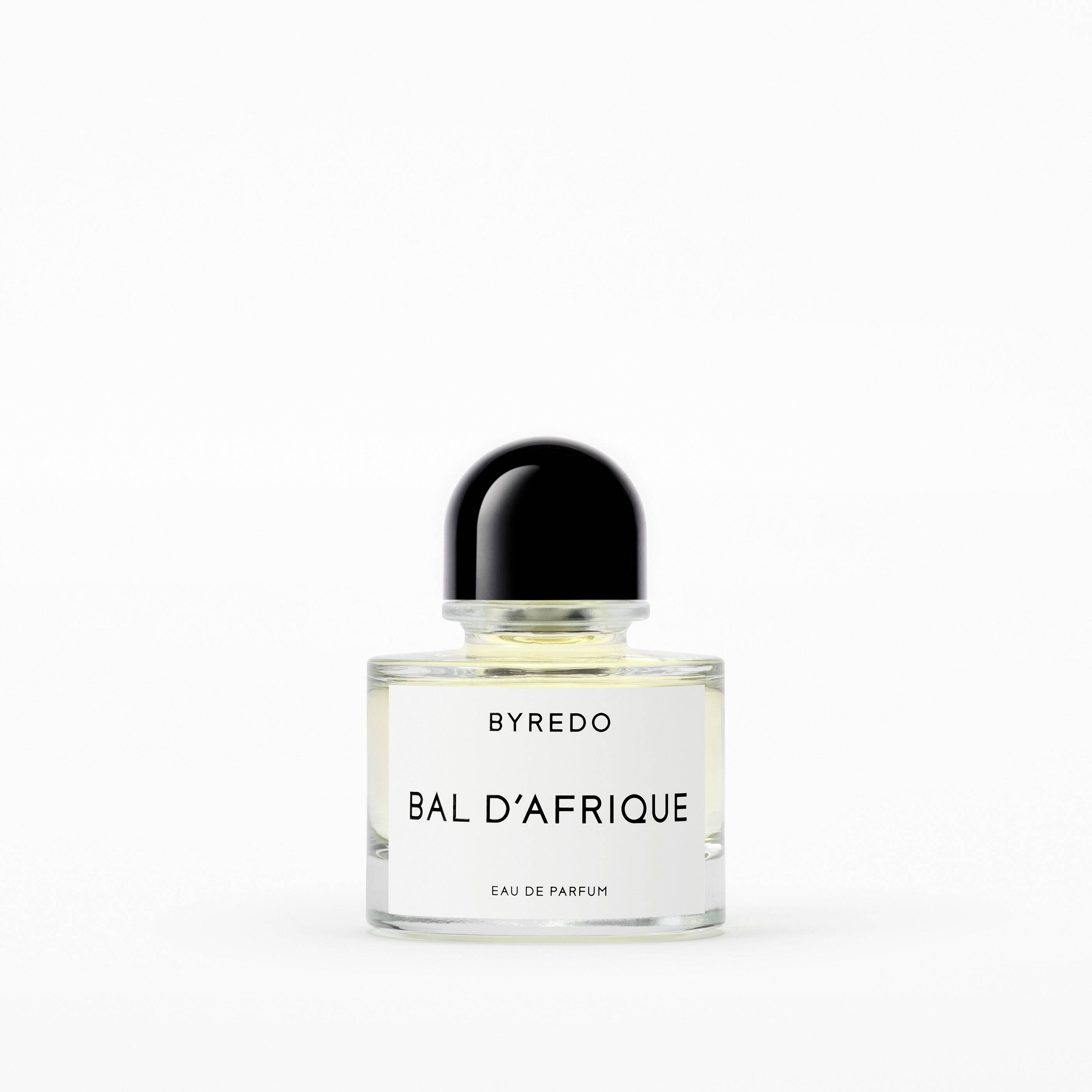
A personal memory is usually only the beginning. It can give me a very specific image, feeling, place, or atmosphere, but the finished fragrance has to become something more open. I may begin with a recollection that is entirely my own, then try to communicate its emotional character to a perfumer through images, music, film, objects, or words. The challenge is moving from a tangible reference into something less literal. Bal d’Afrique was an important example for me because it grew from the emotion of my father’s experiences in Africa rather than from a simple description of a place. Once the fragrance exists, people should be able to make it their own.
What does your creative process look like before a fragrance reaches the development stage?
I usually keep a notebook and make time to think about possible ideas. They can come from travel, people, poetry, music, materials, or a particular visual reference. Sometimes the starting point is very clear, such as a raw material or a place. Sometimes it is only an atmosphere that I cannot yet describe. If an idea stays with me, I begin developing it and work out how to communicate it to the perfumer. The process is instinctive and subjective, but it is not casual. A fragrance can take a long time, and the most difficult part is often finding the right way to express something that does not have a precise vocabulary.
Byredo’s packaging is restrained, while the ideas inside the objects can be quite expansive. How do you think about that tension?
The packaging was intended to give the fragrance space. I wanted the bottle to feel simple, clear, and almost generic, so that attention remained with what was inside. That did not mean the design was treated casually. The details matter, from the proportions and materials to the magnetic cap and the way the object feels in the hand. We spent time refining the graphic identity and the packaging because those elements establish how a person encounters the work. There is a useful tension between a quiet exterior and a more personal or unexpected interior. The object can feel familiar enough to invite you in, while the fragrance creates room for imagination.

You have described Byredo as a vehicle for storytelling. What makes a story useful in the context of a product?
A story can give a product an emotional entry point, but it should not close down the experience. I am interested in creating a starting place for interpretation rather than explaining every detail. Fragrance is especially subjective. The same composition can bring different images or memories to different people, and that is part of its value. I may need a very specific feeling in order to create something, but another person does not have to share the original reference. The product becomes more meaningful when it can move beyond the circumstances of its creation and enter someone else’s life in an unexpected way.
Byredo has moved from fragrance into objects such as leather goods, makeup, and other categories. What has guided those expansions?
The categories have developed from a desire to explore a particular idea in a different material. When we introduced leather, I became interested in architecture, volume, and the physical qualities of the material. Makeup offered another possibility because it made beauty visible and allowed emotion to be expressed through color. The important question is whether the category gives us something meaningful to investigate. I do not see the brand as belonging to only one product type, but the work still needs a clear point of view. Each object should feel connected to the wider sensibility of Byredo while retaining its own identity.
You often work with artists and people from outside the conventional beauty world. What does that perspective bring to the creative process?
I have always felt connected to the position of an outsider. I did not come into fragrance with a background in the industry, and I think that absence gave me permission to question some of its conventions. When I meet someone whose practice comes from a different place, I look for that same possibility. Isamaya Ffrench was a strong example in makeup. Her work had a very distinct creative language, and she approached the industry from a different background. Collaborations are useful when they create a real exchange rather than simply adding another name to a project. The best ones give both people a way to see their own work differently.
You have spoken about the importance of remaining independent while Byredo grew internationally. What does independence mean to you now?
I associate independence with clarity and responsibility. It means retaining a point of view and making decisions from the work itself rather than from numbers, studies, or trends alone. A global presence does not necessarily prevent a brand from being independent in spirit, although it does create tension and additional demands. Byredo has always had to evolve while keeping its focus. The word niche has changed over time, and I never fully identified with the idea that an independent brand must remain limited in scale or category. For me, the important thing is preserving the feeling that the product comes from a specific person and a genuine creative intention.
Your early life included professional basketball, construction work, and art school. How have those experiences shaped the way you work?
Basketball gave me a strong understanding of discipline, repetition, competition, and focus. Those qualities are useful in any field, including creative work. Art school gave me a different kind of confidence, because it taught me to follow an idea without always knowing where it would lead. The period between those experiences was difficult. My plans as a basketball player ended, and I had to reconsider how I understood myself and what I could do. That uncertainty eventually created a great deal of drive. I learned through doing, often without having the expected background. That remains part of my approach. Curiosity can be more useful than certainty when you are trying to build something new.
What does longevity mean for a brand that works across changing categories and cultural references?
Longevity requires movement as well as consistency. A brand cannot simply repeat what worked in the past, but it also cannot change direction without a reason. I think about whether a product or project can remain relevant beyond the moment of its release. That changes the way you work. It encourages patience, care, and a willingness to develop an idea over time. Some projects are resolved quickly, while others remain open for years. The goal is not to predict the future perfectly. It is to make something with enough clarity and substance that it can continue to have a life after the immediate excitement has passed.