Profile
David and Sybil Yurman: A Life in Art, Made Wearable
Hannah R. Harris / Nov 20, 2025

From Milan, Bea Bongiasca brings together vivid enamel, sculptural form, and a distinctly playful imagination to create jewellery that sits between art, design, and everyday adornment.
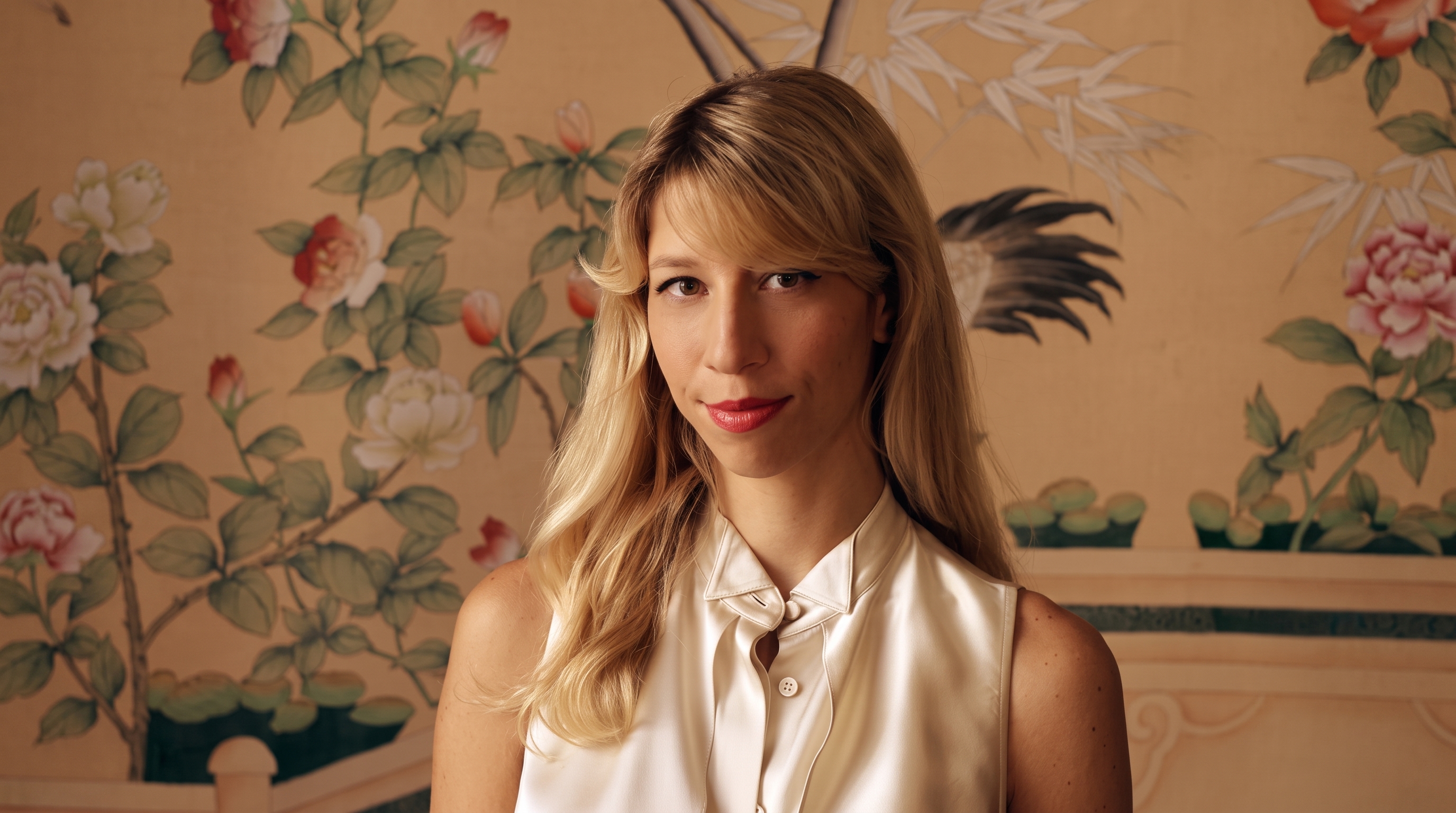
Bea Bongiasca studied three-dimensional design at Central Saint Martins before founding her namesake brand in Milan in 2013, when colored enamel and demi-fine jewellery sat outside established retail categories. Her collections, including You're So Vine, are built on color, sculptural form, and years of formal enamelling study.
You studied at Central Saint Martins, where you initially considered sculpture before choosing jewellery design. What did jewellery offer you that sculpture did not?
During my first year at Central Saint Martins, I discovered three-dimensional design and became increasingly interested in jewellery. What attracted me was its scale. A jewel can contain an entire idea in a very small object, but it also has a direct relationship with the body. You can wear it, move with it, and experience it from different angles. I found that combination of making, sculpture, and personal expression very compelling. Jewellery gave me a way to turn artistic ideas into objects that could enter someone's daily life rather than remain separate from it.
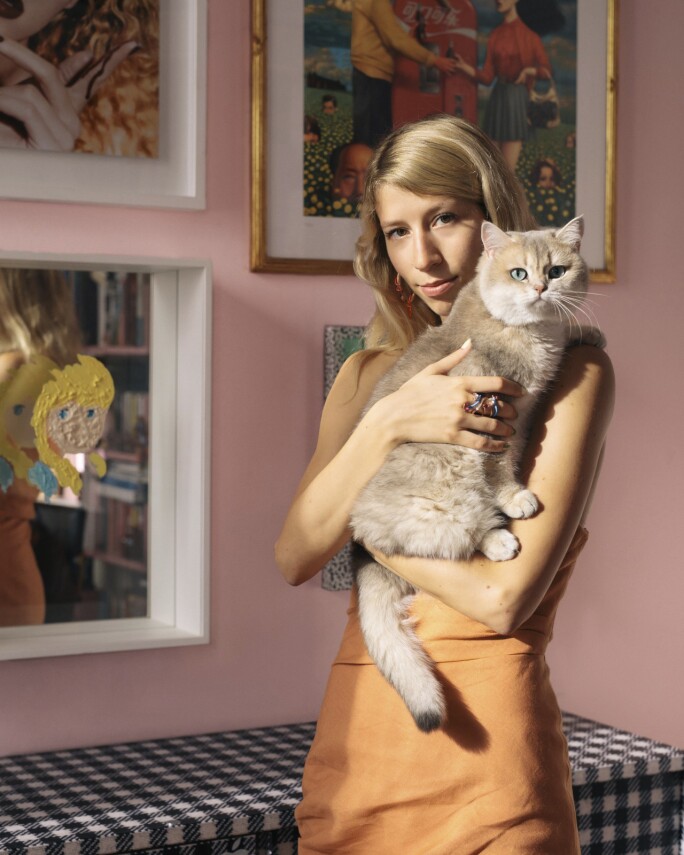
You founded the brand soon after graduating in 2013, when coloured enamel and demi-fine jewellery did not fit neatly into established categories. What were you trying to make possible?
I wanted to create jewellery that felt distinctive and high quality, but that could still be approached by my generation. When I began, I started with silver because it was a realistic material for me at that point. The pieces were colourful and made with careful techniques, but retailers often found them difficult to categorise. They were not conventional costume jewellery, but they were not traditional fine jewellery either. That uncertainty reflected the space I was interested in. I wanted to work between those definitions and show that jewellery could be expressive, playful, and beautifully made without needing to look formal or restrained.
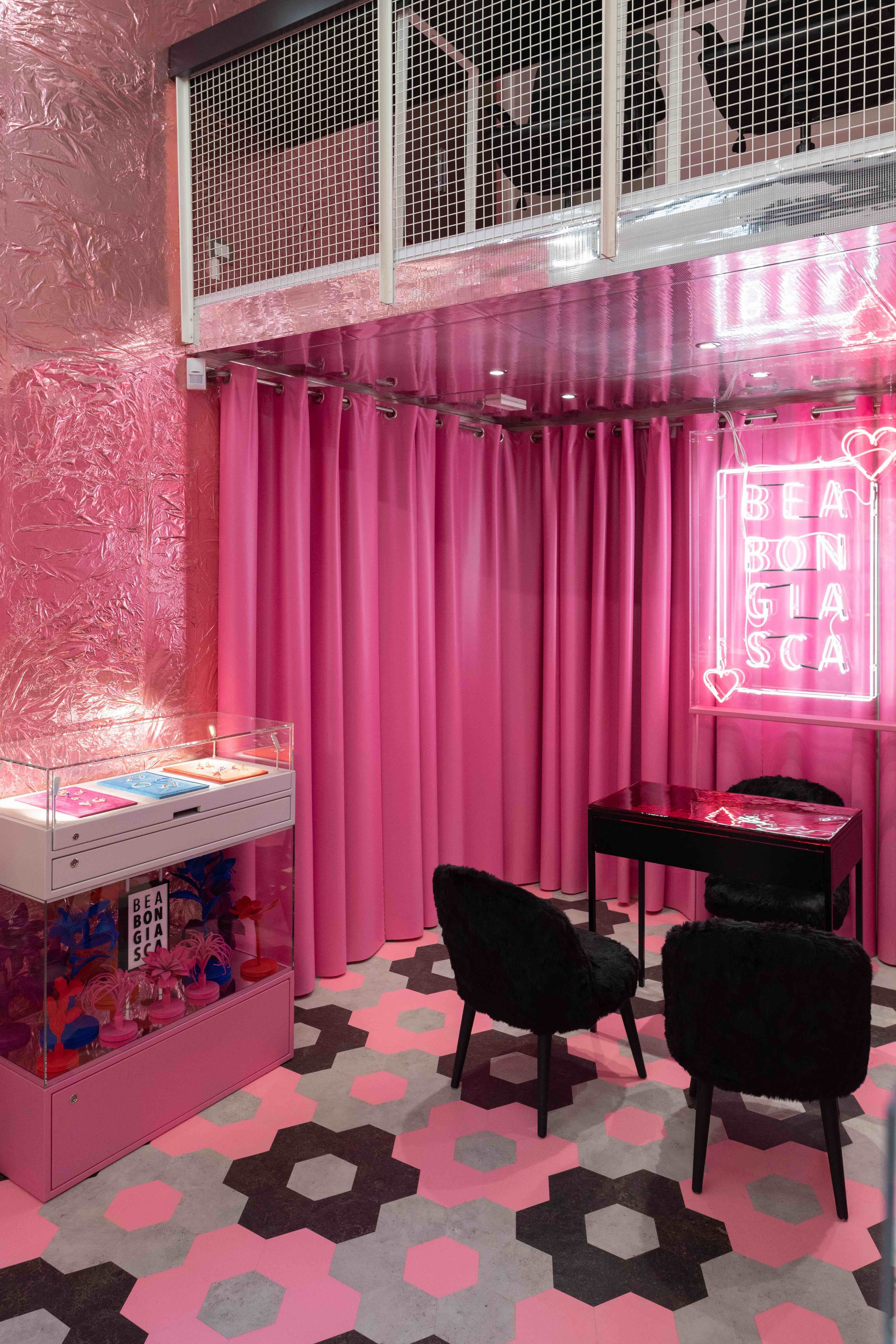
Colour is one of the most recognisable elements in your work. How do you use it within the design process?
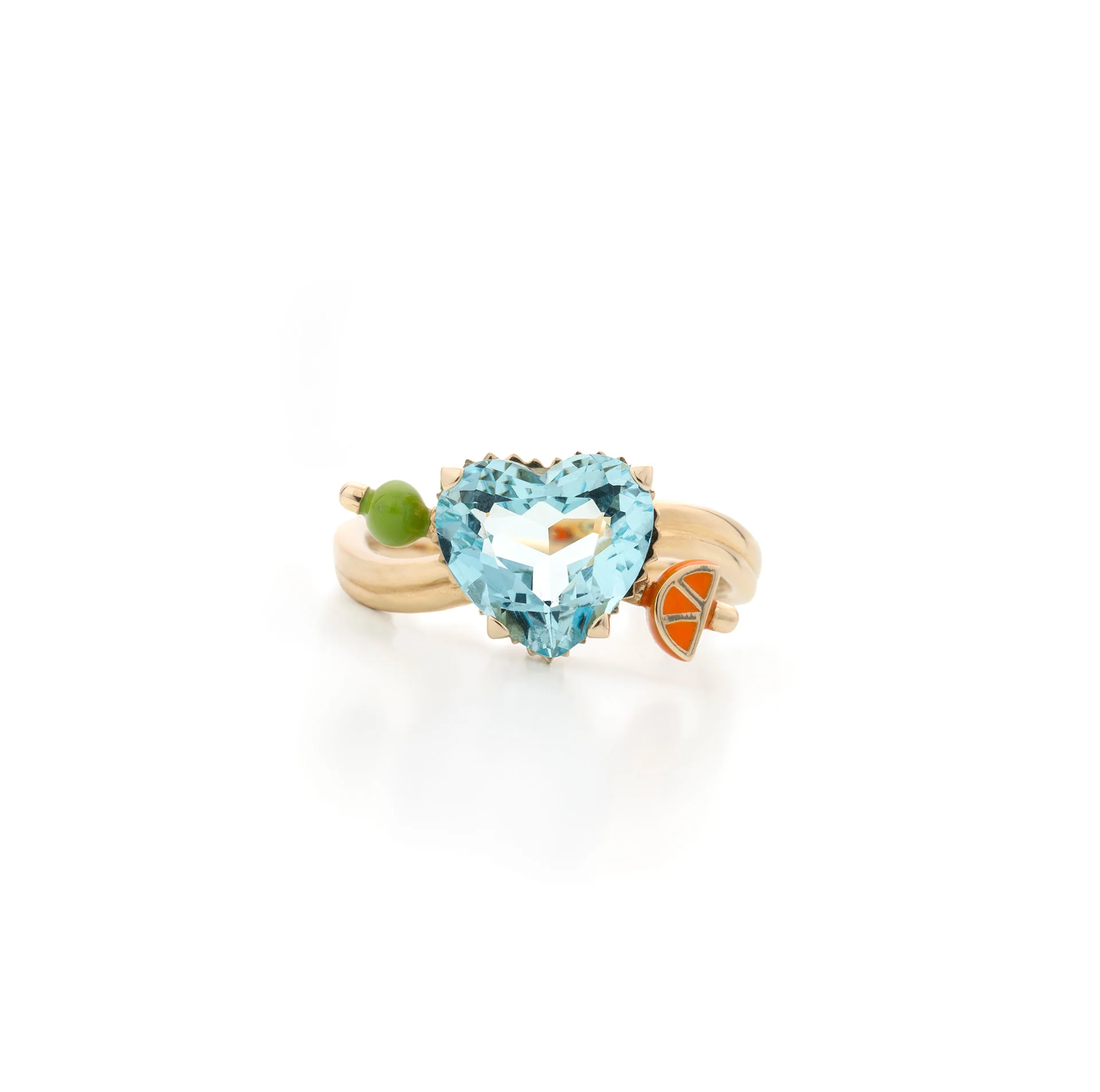
Colour is not an added decoration for me. It is part of the structure and personality of a piece. I often begin with a form or a concept, then explore how enamel can change its feeling. A single shape can become very different depending on whether it is red, black, pale blue, or a combination of tones. I enjoy colours that create contrast, especially when a vivid enamel is placed against gold or silver. The colour should make the form more immediate, but it should also leave room for the person wearing the jewel to interpret it in their own way.
Your collections often combine organic shapes with references to pop culture, travel, and the visual language of East Asia. How do these influences meet in your work?
I have always been fascinated by the relationship between different cultures and visual languages. Travel and my interest in the East have influenced me, but so have contemporary art, design, fashion, and popular culture. I do not think of these references as separate categories. They can exist together and create something unexpected. The starting point is usually a concept, and then I try to translate it into a small, three-dimensional world. That is why I think of jewellery as a form of art. Each piece can hold a different atmosphere, almost like a miniature place that someone can enter through wearing it.
The You're So Vine collection has become closely associated with the brand. Where did its winding, plant-like forms come from?
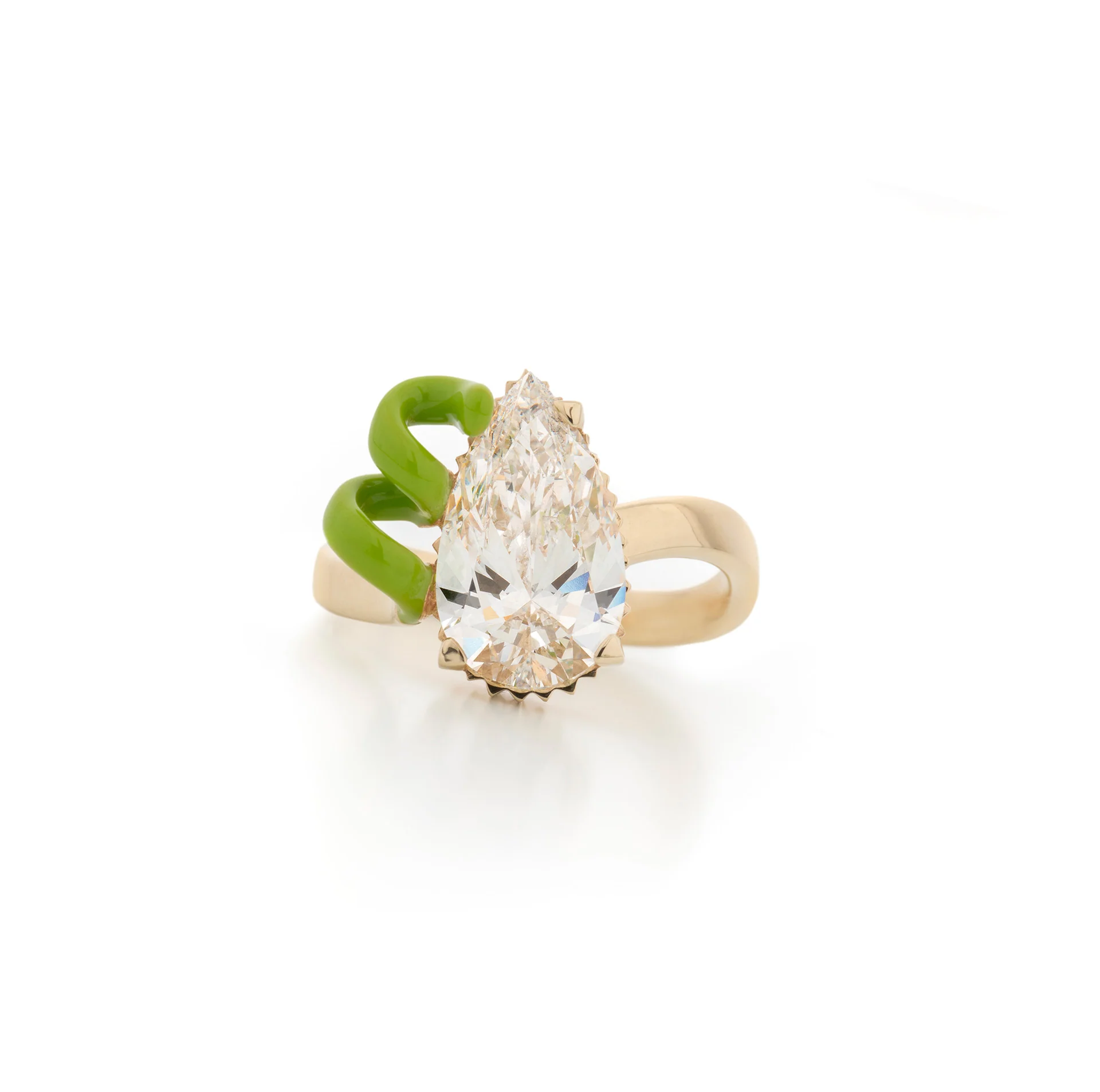
You're So Vine developed from my interest in botanical forms and the language of flowers. I wanted to explore climbing plants, tendrils, and the sense of movement they create as they grow. The vine is organic, but it can also be quite graphic when translated into enamel and metal. I liked the possibility of making a ring that seems to move around the finger rather than simply sit on it. The collection also reflects the playful side of the brand. The name is a pun, and the pieces have a sense of motion and humour, while still requiring precision in their construction.
How do you balance the expressive quality of your designs with the technical demands of jewellery making?
The idea always has to work as an object. A design may begin with an image or a very free form, but it must eventually become wearable, comfortable, and technically possible. That means considering the weight, the proportions, how the piece sits on the body, and how the enamel will be applied. I studied enamelling for several years, so I understand how much discipline is involved in achieving a clean result. The expressive quality comes from the concept and the shape, but the strength of the final piece depends on the craft behind it.
You have described your work as a way of expressing your own personality. How important is that coherence to you as the brand develops?
It is important because the jewellery should feel honest. I do not want to design something simply because it is expected or because it belongs to a particular trend. The work has remained coherent because I am interested in the same things: colour, unusual proportions, movement, and objects that have a sense of character. That does not mean every collection should look identical. The vocabulary can expand, and the materials or techniques can change, but there needs to be an underlying point of view. For me, that is what allows the brand to grow without losing its identity.
The brand has expanded from its demi-fine beginnings into pieces using diamonds and other precious stones. What did that shift mean for you?
It was a gradual development. In the beginning, I wanted to make jewellery that was accessible and appropriate to where I was in my career, so silver, nine-karat gold, enamel, and semi-precious stones were natural materials to work with. Over time, it became possible to introduce eighteen-karat gold, diamonds, and other precious stones while keeping the design language intact. The important thing was not to change the personality of the jewellery in order to make it finer. I wanted the colour and the enamelled forms to remain present, so that the more precious materials would become another part of the same world.
Your work is often described as joyful, but the pieces are also carefully constructed and highly recognisable. What role does play have in contemporary jewellery?
Play allows jewellery to move beyond the idea that it has to be serious, classical, or reserved for special occasions. A jewel can be precious and still have humour. It can use colour, exaggeration, or an unexpected shape without losing its value as an object. I am interested in pieces that make the wearer feel involved, because they invite a response. Someone might choose a colour that reflects their mood, stack several rings, or wear an earring in an unconventional way. That freedom is part of what makes jewellery personal. It should have enough character to start a conversation, but enough openness to become someone's own.
What are you exploring now as you look beyond the forms that first defined the brand?
I am interested in continuing to develop the language of the brand through materials, texture, and new relationships between surface and form. Shape has always been central to my work, so exploring texture feels like a natural next step. I am also interested in how the collections can include different levels of preciousness while remaining connected to one another. The goal is not simply to create something more elaborate. It is to find a new idea and give it a form that feels surprising, wearable, and unmistakably part of the Bea Bongiasca world.