Profile
Gucci Westman on the Art of Making Beauty Feel Like Yourself
Kayla M. Walker / Aug 8, 2026

Clean beauty is moving from a vague promise about ingredients toward a harder standard built on definitions, preservation, safety evidence, and readable disclosure.
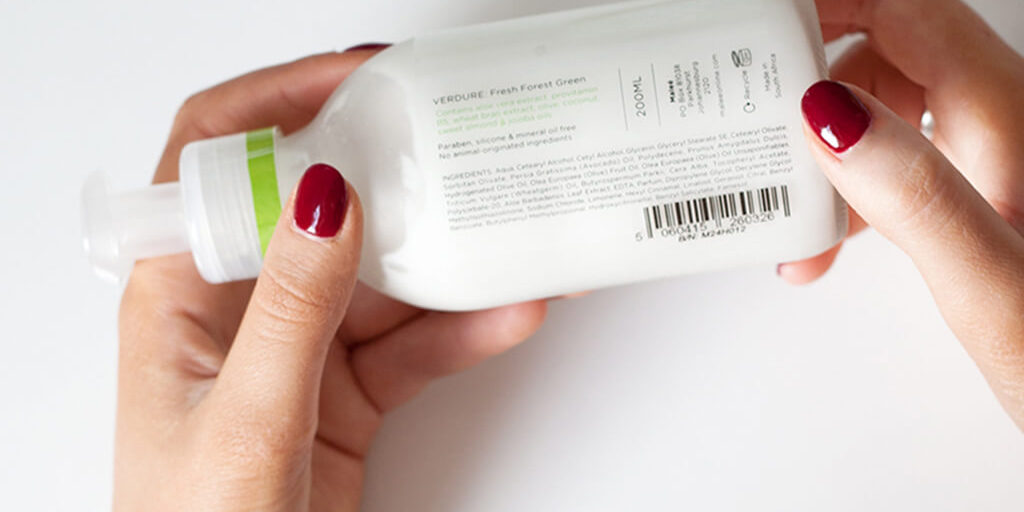
Clean beauty began as a consumer demand for reassurance. The problem was that reassurance arrived before a shared definition. In the United States, the Food and Drug Administration does not define clean, natural, or organic beauty as a single regulatory category. The agency's cosmetics guidance says it has no definition for organic cosmetics, while its broader cosmetics fact sheet says there is no formal FDA or USDA definition for natural cosmetics.
That gap made clean a flexible commercial word. Brands, retailers, certification groups, and consumers could assign it different meanings, from a short list of excluded ingredients to a broader view of sourcing, packaging, fragrance, and manufacturing. The category is now being forced to grow up. The credible future is less about declaring what a product is not and more about showing what it is, how it was assessed, and which trade-offs remain.
Regulation already distinguishes between a cosmetic claim and a drug claim. The FDA explains that a product marketed to treat or prevent disease, or to affect the structure or function of the body, can fall under drug requirements even if it is presented as a beauty product. That distinction matters for clean beauty because words such as safe, non-toxic, gentle, and skin-healing can move a marketing story toward claims that require a different level of substantiation.
Environmental language has its own standard. The Federal Trade Commission's Green Guides state that marketers must substantiate environmental claims and account for trade-offs when a general claim implies an overall environmental benefit. A package can be made with less plastic and still create a different burden through transport, refills, or disposal. A product can avoid one ingredient and still need to explain the effect on performance and shelf life.
Retailers have supplied their own definitions. Sephora describes Clean at Sephora as a program for formulas that meet regulatory standards worldwide and exclude specified ingredients. That is a retailer standard, not a universal scientific or legal definition. Its usefulness is that it makes a selection rule visible. Its limit is that the customer still has to understand why an ingredient is excluded, what replaces it, and whether the replacement has been evaluated in the finished formula.
The clean conversation has too often treated preservation as a moral problem instead of a formulation function. Water, botanical extracts, packaging, shipping, and repeated contact can create conditions in which microorganisms grow. The FDA's microbiological safety guidance states that contaminated cosmetics can harm consumers and identifies ineffective preservation, inadequate packaging, poor storage, and finger dipping as routes to contamination.
This does not mean every preservative system is equally suitable for every product or wearer. It means the relevant question is whether the finished formula remains safe under its intended use. The FDA says cosmetics do not require premarket approval, but companies remain responsible for safety and for preventing harmful microbial contamination. Under the Modernization of Cosmetics Regulation Act, companies must maintain records supporting adequate safety substantiation, and responsible persons must report serious adverse events to the FDA within 15 business days. The FDA's MoCRA overview makes the operating obligation clear.
The practical result is that a genuinely transparent clean claim should explain the preservation approach, packaging choice, expected storage conditions, and product life after opening. A claim that simply says preservative-free leaves the customer without the information needed to judge risk. Airless packaging, low-water formats, single-use doses, and carefully selected preservation systems can each have a place. None is a substitute for testing.
The natural-versus-synthetic argument confuses origin with hazard. A plant extract can contain sensitizing compounds. A synthetic molecule can be made to a consistent specification and assessed for its intended use. The source of an ingredient is relevant to sourcing and environmental questions, but it does not answer the safety question by itself.
The European Union's system is instructive because it separates claims from safety assessment. The European Commission's cosmetics legislation page points to common criteria for cosmetic claims, while the Scientific Committee on Consumer Safety reviews health and safety risks for cosmetic products and ingredients. The framework does not make natural a synonym for safe. It asks for evidence about the product and its ingredients.
That is where the next phase of clean beauty is heading. Brands will need to provide ingredient names in the required nomenclature, explain functional roles in plain language, distinguish an internal standard from a legal requirement, and publish evidence where a claim depends on testing. Retailers can make their lists more intelligible by explaining exclusions rather than treating them as self-evident.
The shift will be uncomfortable for brands that built identity around a short blacklist. It is useful for the category as a whole. A customer who understands preservation, exposure, efficacy, and environmental scope can make a more informed choice than a customer handed a green badge and a suggestion that unfamiliar chemistry is automatically suspect. Transparency is not a softer version of regulation. It is the part that makes regulation legible at the shelf.