Profile
Gucci Westman on the Art of Making Beauty Feel Like Yourself
Kayla M. Walker / Aug 8, 2026

For Anastasia Soare, a beauty business began with a belief that eyebrows could be understood through proportion, taught with precision, and made accessible to everyone.

You trained in art and architecture in Romania before building a career in beauty. What did that education give you?
Art taught me to look closely at proportion, balance, and the way small changes can alter the character of a face. When I began working in beauty, I saw that the eyebrow was often treated as an afterthought, even though it has such a strong effect on expression and symmetry. My studies gave me a framework for understanding what I was seeing. I became interested in the Golden Ratio and in the relationship between the brow, the eyes, the nose, and the rest of the face. That way of looking at beauty became the foundation of my method.
When did you realise that brows could become the centre of your work?
In the early 1990s, I was working in a salon and offering many different services, including facials and waxing. I noticed that clients returned especially often for their eyebrows, and makeup artists appreciated having the brows shaped before they began their work. At the time, very few people considered eyebrow shaping a distinct beauty service. I saw an opportunity to focus on something that changed the whole face but was not being given enough attention. The response from clients confirmed that there was a real need for a more considered approach to brows.
Your Golden Ratio method is central to the brand. How do you apply an idea associated with art and mathematics to an individual face?
The method is based on identifying three points that help establish the beginning, arch, and end of the brow. These points are mapped in relation to the individual features of the face, including the nostril, the eye, and the bridge of the nose. It is not about giving everyone the same shape. It is about creating balance according to each person’s structure. The Golden Ratio gave me a language for describing what I had observed through practice. It helped turn an instinctive service into a system that could be taught, repeated, and adapted.

You began developing products at a time when brow makeup was not yet an established category. What was the challenge in creating something that did not already exist?
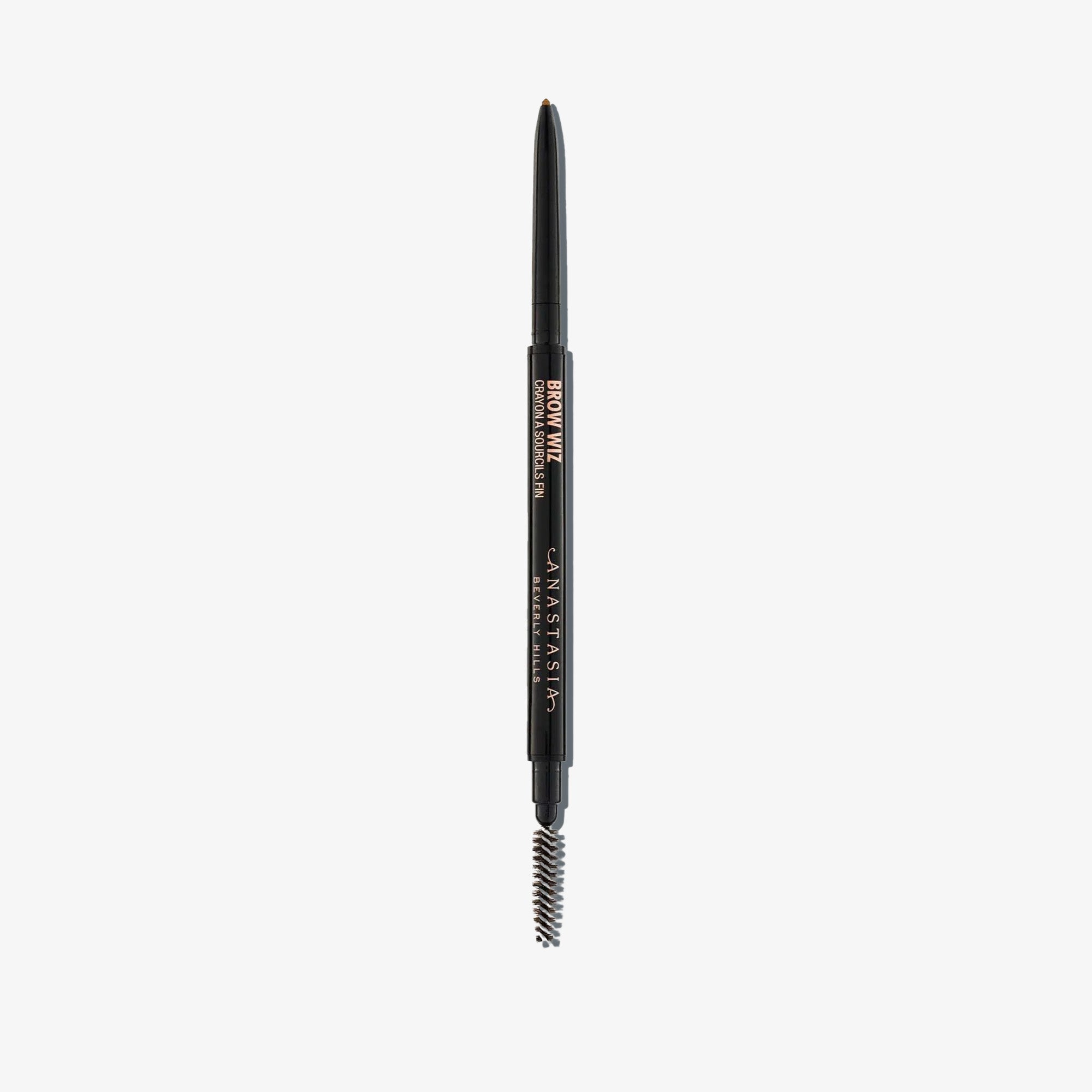
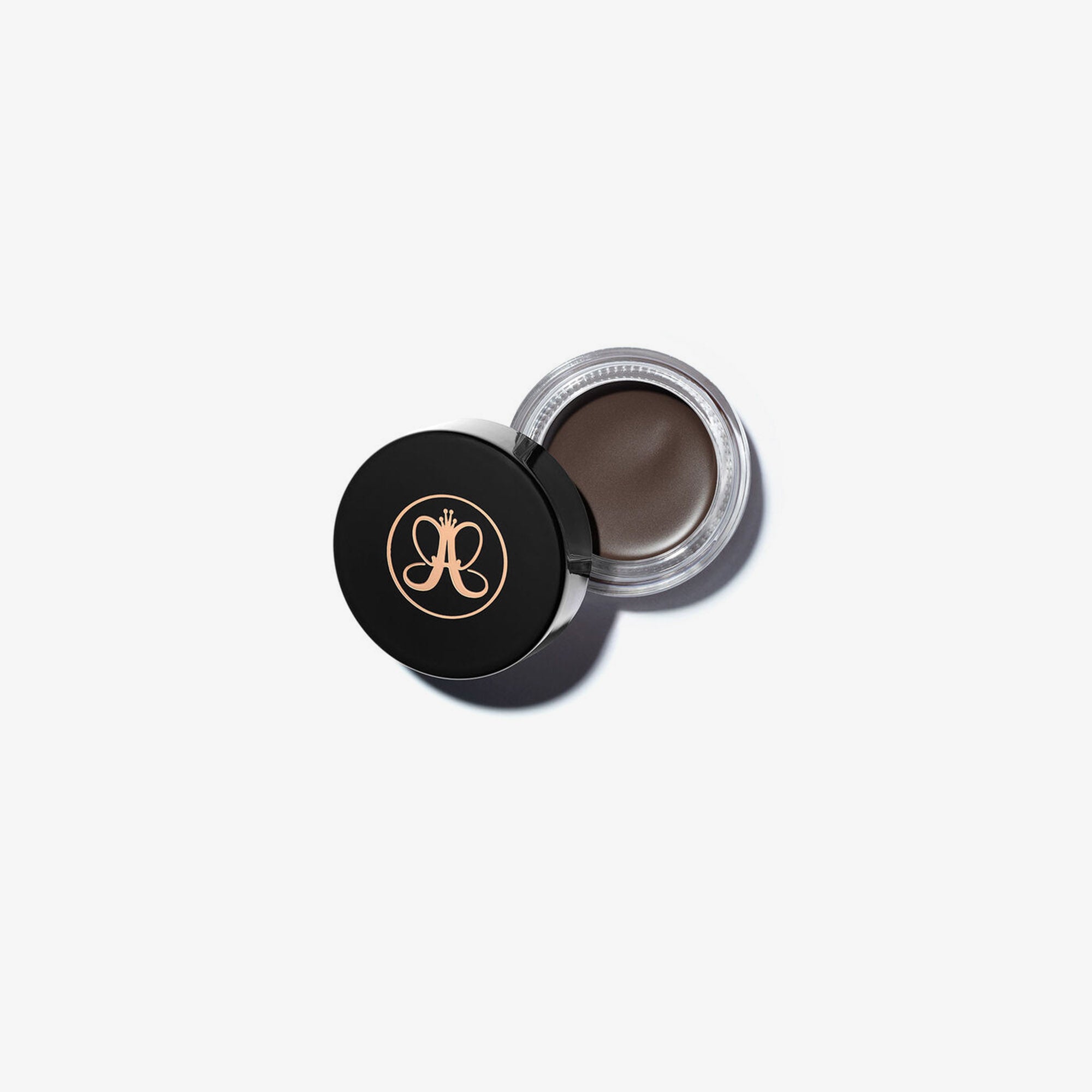
The first challenge was that there was no clear product model to follow. My clients wanted to maintain the shape they received in the salon, but the products available at the time did not give them the right result. I started by mixing materials myself to fill sparse areas after shaping the brows. Developing a professional product required much more testing, especially because colour is very personal and undertones can change the appearance of a shade. I wanted the products to reflect the precision of the service, while still being practical for someone to use at home.

How did the salon influence the way Anastasia Beverly Hills developed as a brand?
The salon kept me close to real people and their everyday concerns. I could see where clients struggled, what they wanted to correct, and which steps felt difficult to reproduce at home. That direct experience shaped both the products and the way we taught people to use them. When the brand expanded into retail, I believed services and education should remain part of the experience. Customers needed more than a product on a shelf. They needed to understand why it was created, how it related to their own features, and how to use it with confidence.
Anastasia Beverly Hills eventually moved beyond brows into complexion, eyes, lips, and other categories. What had to remain consistent as the brand expanded?
The standard of purpose had to remain consistent. Each product needs to solve a real problem and be developed with attention to formula, shade, application, and design. I have always wanted products that can perform at a professional level but remain approachable for someone who is still learning. Expansion should not mean moving away from the original point of view. For us, that point of view is about enhancing the individual rather than covering the person up. Whether we are developing a brow product or another part of a makeup routine, precision and usability have to be present.
What have you learned from listening to customers as the business has grown?
Customers are an important source of information because they tell you what is missing from their routines. Social media made that conversation much more immediate. We could see the questions people were asking, the techniques they were trying, and the products they wished existed. That does not mean every request becomes a product. It means the development process begins with attention. We still have to test, refine, and make difficult decisions, but listening helps us stay connected to how people actually use makeup. The best ideas often come from noticing a repeated need and addressing it properly.
What role has your family played in the company?
Family has been part of the story from the beginning, but working together also requires clear responsibilities and high standards. My daughter began in the salon and learned the business through different departments before taking on greater leadership. That experience mattered because a company is made up of many connected parts, from product development and operations to customer relationships. I also learned the importance of allowing people to develop their own strengths. A family business can be deeply personal, but it still has to be managed with discipline, accountability, and respect for the work.
You have spoken about arriving in the United States without speaking English and building a business from the ground up. What would you say to someone beginning without a complete plan?
You do not need to understand every step before you begin. When I arrived in the United States, I had an education, determination, and a willingness to work, but I did not have a detailed plan for building a beauty company. I focused on learning, serving my clients well, and solving the next problem in front of me. Progress came through persistence and through being open to growth. A person can start with one skill, one client, or one idea and develop from there. The important thing is to begin seriously and keep learning as the opportunity evolves.