Profile
Gucci Westman on the Art of Making Beauty Feel Like Yourself
Kayla M. Walker / Aug 8, 2026

At Tower 28 Beauty, Amy Liu has built a California-inspired brand around a simple premise: sensitive skin should have access to products that are safe, effective, inclusive, and genuinely enjoyable to use.

You spent more than 15 years working in the beauty industry before founding Tower 28. What did that experience reveal to you?
Working inside the industry gave me a close view of how products are developed, marketed, and brought to consumers. It also made the gaps in the category increasingly difficult to ignore. I had eczema throughout my adult life, yet the products positioned for sensitive skin often felt clinical and uninviting. They addressed safety, but not necessarily the pleasure, color, or self-expression that makes beauty so compelling. I began to think about how a brand could take sensitive skin seriously without making the experience feel restrictive. My background helped me understand the business, but my own skin made the problem personal.
How did your own experience with eczema shape the first version of Tower 28?
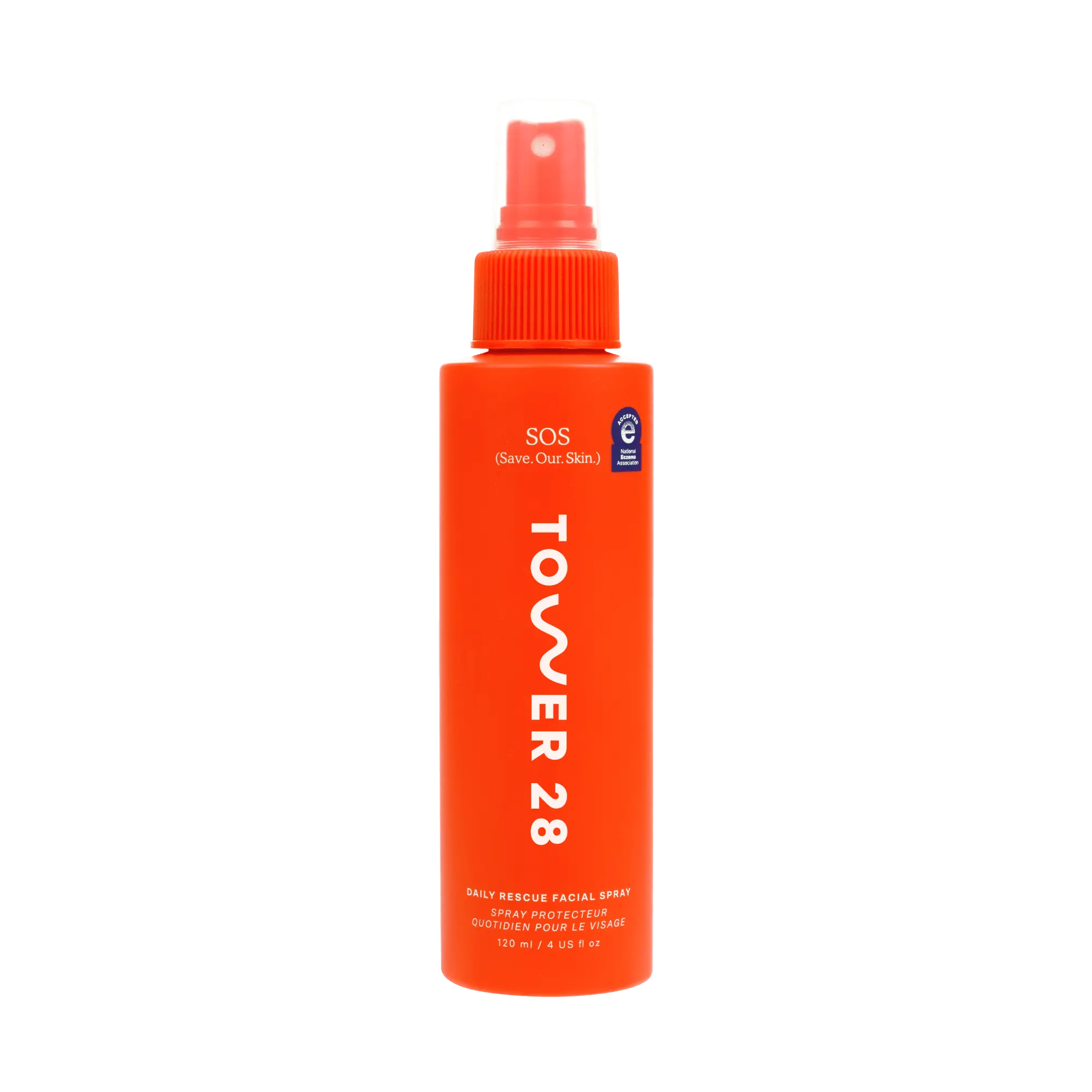
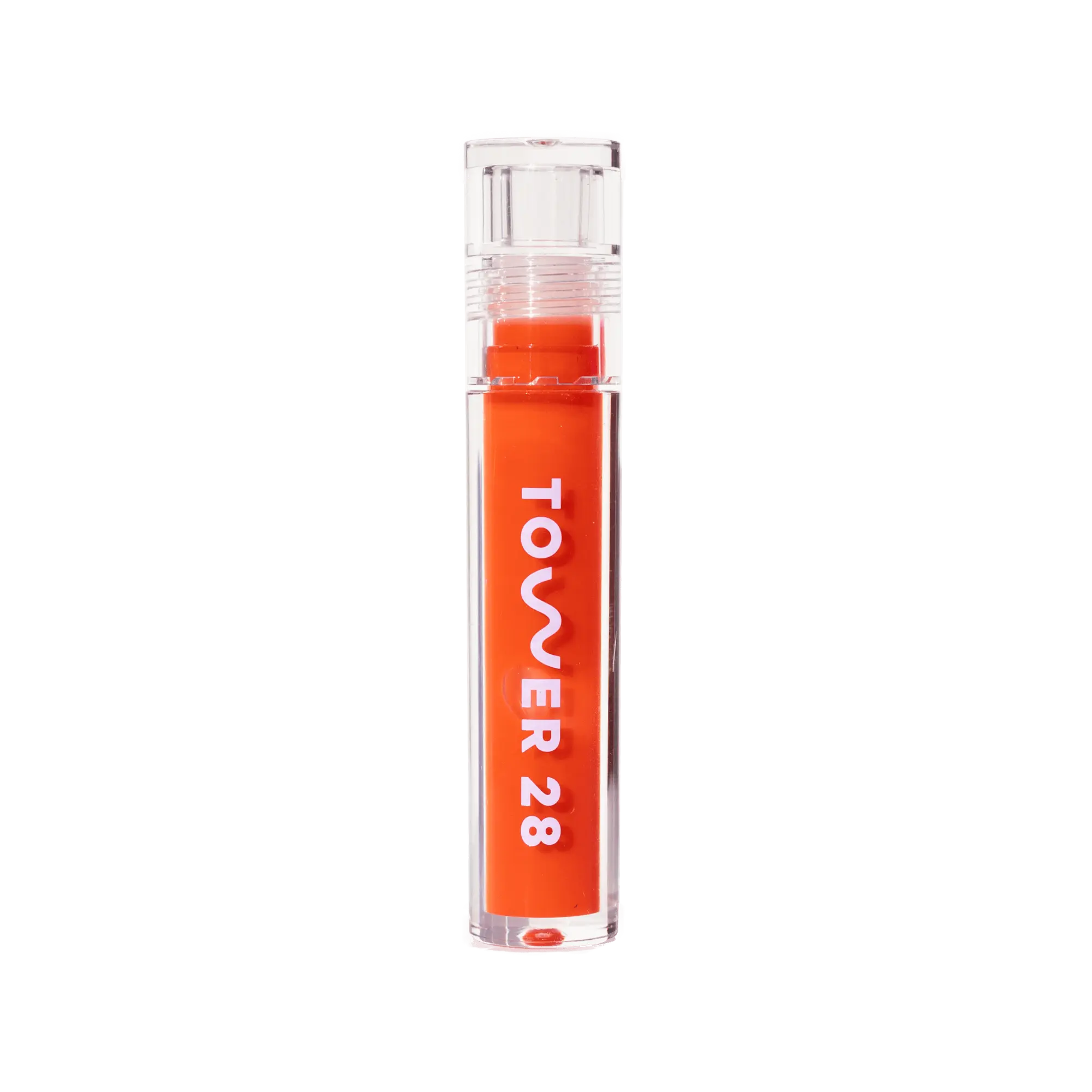
I knew that sensitive skin could mean many different things, but for me it meant eczema and a great deal of uncertainty about what I could use. I wanted to create products that people with sensitive or eczema-prone skin could approach with more confidence. At launch, we began with three products: SOS Spray, SuperDew, and ShineOn Lip Jelly. Starting with skin care and a lip product allowed us to establish the brand’s point of view before moving further into color. The National Eczema Association Seal of Acceptance on two of the launch products was also meaningful because it reflected the standards we wanted to uphold.
Tower 28 is designed for sensitive skin, but it does not look or feel like a clinical brand. Why was that distinction important?
People with sensitive skin are often asked to choose between products that feel safe and products that feel exciting. I never believed that choice was necessary. Beauty should be a source of enjoyment, and having reactive skin should not mean giving up color, texture, or a sense of play. That is why the brand combines careful formulation with a bright, approachable visual world. The goal is not to make sensitivity the only thing a person sees when they encounter the brand. It is one part of the experience, alongside efficacy, inclusivity, and fun.

What does the name Tower 28 represent?
Tower 28 is named after a real lifeguard tower in Santa Monica. It is a meeting point between Venice Beach and Santa Monica, two parts of Los Angeles with very different energies. That location captured something important for the brand: a California sensibility that is relaxed, lively, and open to different kinds of people. A lifeguard tower also carries ideas of safety and community. Those associations became part of the foundation of the brand. Tower 28 is meant to feel like a place people can return to, with products that fit easily into real life rather than asking people to perform a particular version of beauty.
How do you think about inclusivity beyond shade range?
Inclusivity has to be considered across the whole experience. It includes skin tone, skin type, sensitivity, budget, and different approaches to beauty. A product can have an impressive shade range and still exclude people through its formulation, price, language, or imagery. For Tower 28, we try to consider all of those dimensions together. My own experience growing up as an Asian American in California also influenced that perspective. I did not always see people who looked like me represented in pop culture, so I understand how powerful it can be when a brand creates a broader sense of belonging.
You secured a Sephora relationship very early. What did that process teach you about building a new brand?
It taught me that a clear point of view matters. When you are building something new, you have to be able to explain what problem you are solving and why your approach is meaningfully different. I was careful by nature, so pitching a new company and asking people to believe in it required me to become more comfortable with risk. The early conversations also reinforced the importance of preparation. You have to know your consumer, your product, your numbers, and your reason for existing. A strong idea is important, but it becomes more persuasive when you can communicate it with clarity and conviction.
How do you translate the idea of safe beauty into product development?
Safety begins with a disciplined approach to ingredients and formulation, but it cannot stop there. We think about what people with sensitive skin may experience and try to avoid ingredients that are known to be irritating for that audience. We also pay attention to how a product performs, because a formula that is technically gentle but disappointing will not solve the larger problem. The product has to earn a place in someone’s routine. Our standards are informed by the needs of sensitive skin, while the experience is designed to feel modern, expressive, and easy to use.
Tower 28 has grown across skin care and makeup. How do you decide when an idea is right for the brand?
I start with the consumer problem. We ask what people are struggling to find, what they are frustrated by, and what would make their routine better. The idea then has to fit our standards for sensitive skin and feel consistent with the way we want people to experience beauty. It is not enough for a product to be popular in the abstract. It needs to have a reason to exist within Tower 28. We also think about whether it can bring some pleasure to the routine. That combination of usefulness, careful formulation, and enjoyment is central to how we evaluate a new product.
What has been the most difficult part of building the company?
The hardest part has been accepting that building a company requires sustained attention across many different areas. Product development, operations, hiring, finance, retail, and communication all matter, and they do not always move at the same pace. There is also an emotional side to being responsible for a growing team and a brand that people care about. I have learned that you cannot wait to feel completely certain before making every decision. You have to gather the information available, stay close to your purpose, and keep moving. The work can be all encompassing, so learning how to direct that energy is an ongoing process.
What do you hope Tower 28 changes about the way people think about sensitive skin?
I hope sensitive skin is understood as part of the beauty conversation, not as a limitation outside it. People should not feel that their skin disqualifies them from experimenting, wearing color, or enjoying products. Sensitivity can take many forms, and it deserves thoughtful standards, but it should not be treated as something that makes beauty less exciting. More broadly, I want people to feel seen by the category. That means creating products that respect their skin while also recognizing their desire for expression, pleasure, and individuality. For me, that is the space Tower 28 is here to occupy.