Profile
Rachel Scott on Craft, Context, and the Expansive Language of Diotima
Hannah R. Harris / Aug 8, 2026

Ashley and Mary-Kate Olsen on building The Row around fabric, proportion, discretion, and the slow accumulation of trust.

The Row was founded by Ashley and Mary-Kate Olsen in 2006 with an intentionally narrow idea: make a perfect T-shirt, then keep asking what makes a piece worth living with. The house has since grown into ready-to-wear, handbags, shoes, accessories, menswear, and home, but its central language remains unusually consistent: fabric first, proportion before ornament, and quality that becomes legible through wear rather than branding.
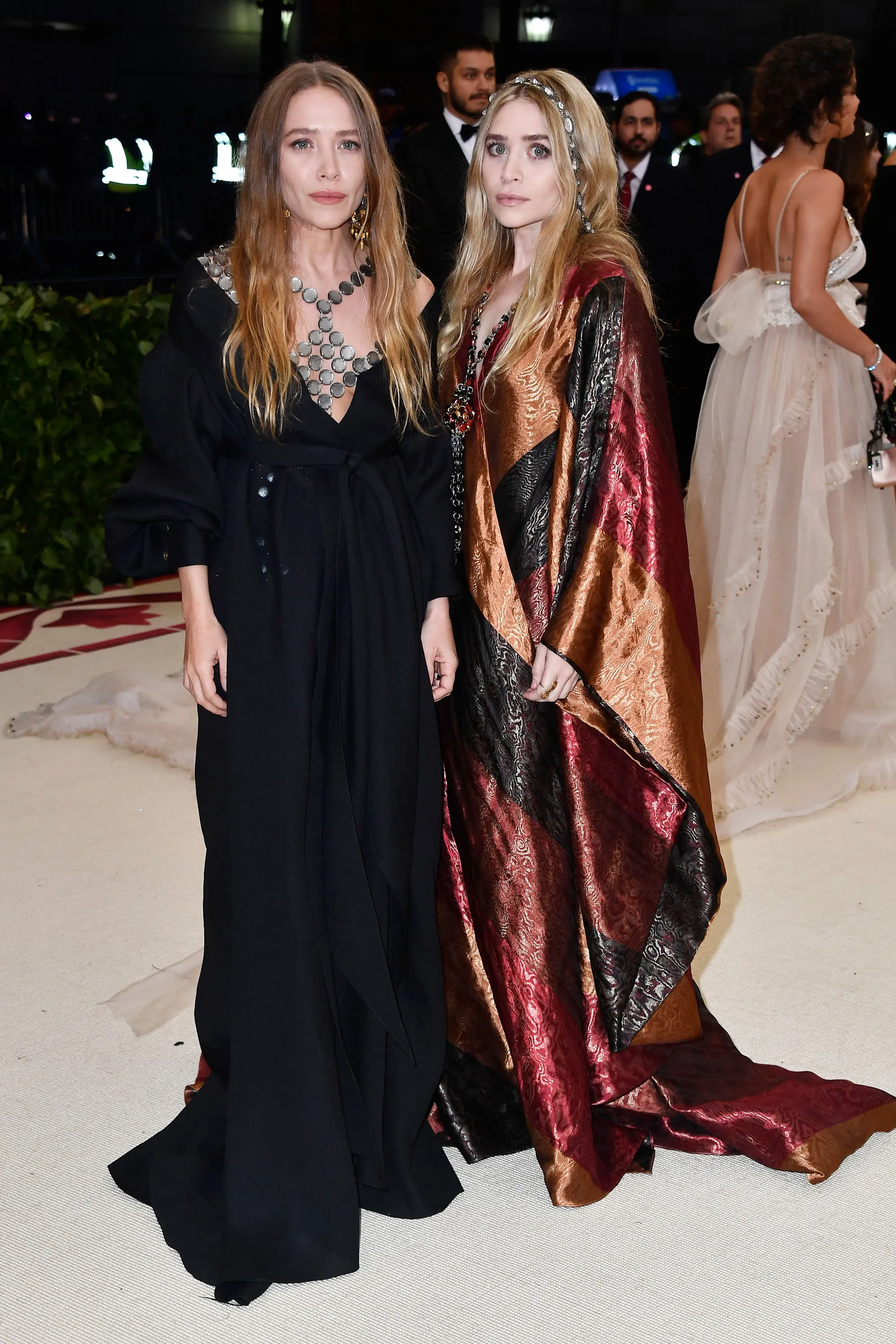
The Row began with the idea of making a perfect white T-shirt. What did that simple starting point make possible?
The T-shirt was a way to study the difference between an ordinary garment and one that has been considered completely. We could look at the weight of the fabric, the way a sleeve falls, the proportion of the body, and how the piece behaves on different people. That exercise became a design education. The Row did not begin with a desire to place a name on every surface. It began with the belief that a familiar object could be made more exact.
The name refers to Savile Row, but the brand is not a traditional tailoring house. What does that reference mean to you?
Savile Row suggests discipline, patience, and an understanding of construction. The reference is not about reproducing a British menswear uniform. It is about respecting the idea that clothing can be built around proportion and made to last beyond a single season. The Row has always allowed that principle to move into softer knits, dresses, coats, accessories, and pieces that do not announce their technique immediately.
You have said that the design process starts with fabrics. How does a collection develop from there?
The fabric establishes the first physical question. It has weight, movement, surface, and a particular response to the body. From there, the work moves into silhouette: which proportions feel right, how much volume is useful, where a line should stop, and how a familiar shape might be adjusted. Patternmaking follows that decision rather than dictating it in advance. The process is an evolution from one season to the next, not a search for a completely new identity every time.
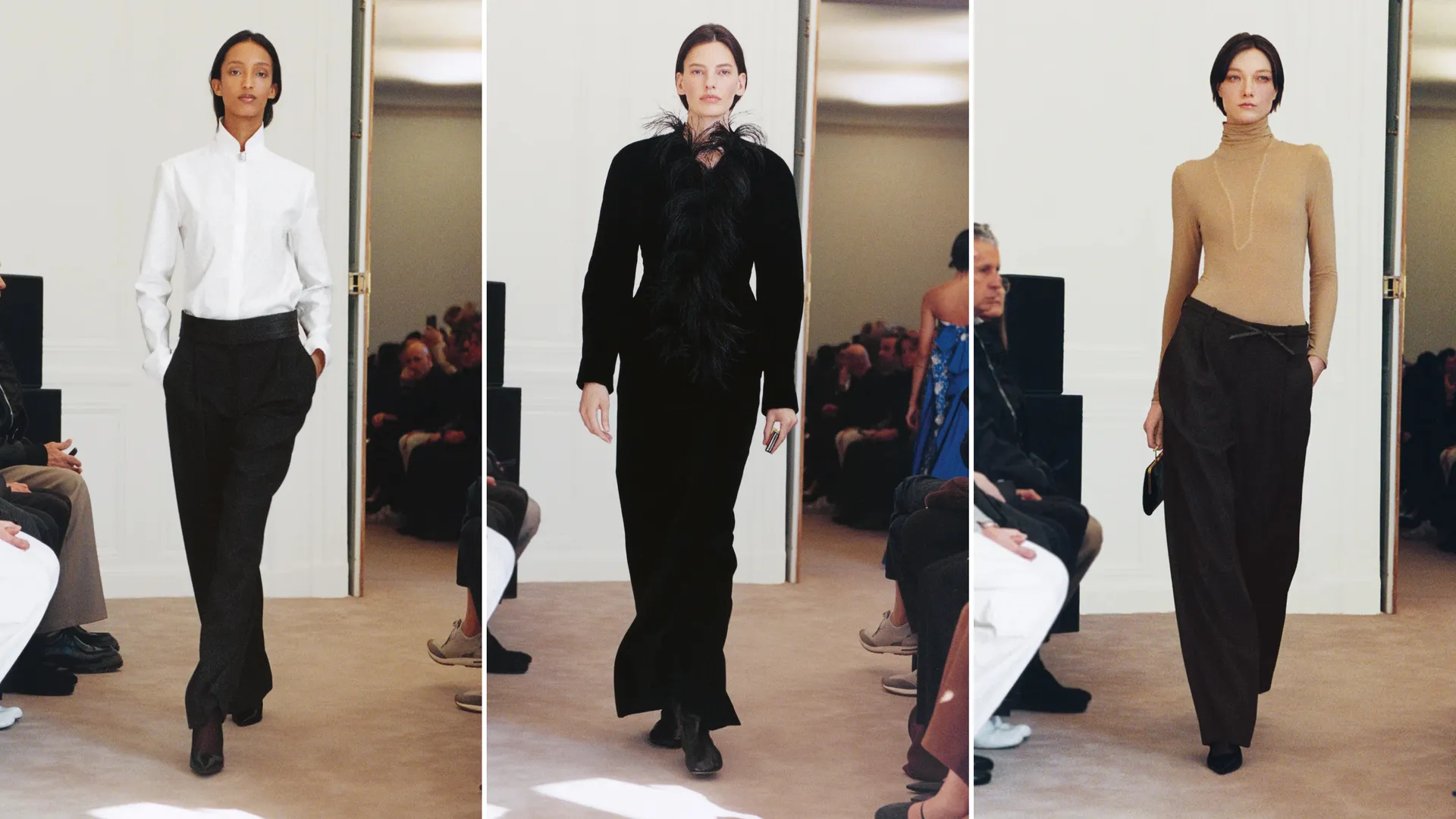
The Row is often associated with minimalism, but the clothes are not visually empty. Where does the richness come from?
It comes from decisions that are easy to miss at first: a collar that sits differently, a sleeve with a particular weight, a seam placed to change the fall of a coat, or a fabric that gathers light instead of reflecting it evenly. Restraint makes those choices more important. When there are fewer logos and fewer decorative signals, the eye has more time to notice the relationship between surface, movement, and the body.
You have designed for a wide range of ages and bodies. How does that knowledge enter the work?
Fit has to be tested against real lives rather than a single idealized image. The sisters have described trying early pieces on themselves, on their parents, and on friends’ parents to understand why a proportion worked on one person and not another. That process is less about designing for an abstract demographic than about asking what a garment allows someone to do. A good piece should retain its point of view while leaving room for the wearer’s own character.
The Row has kept its public profile unusually quiet. Is discretion part of the design language?
Discretion is both a preference and a working method. The founders have spoken about wanting the clothes to speak for themselves after spending much of their early lives in the spotlight. That does not mean the house is indifferent to communication. It means the communication is carried by the object, the store, the image, and the experience of wearing the piece. The absence of a loud logo is not the absence of identity; it is a decision about where identity should reside.
How do customers shape the direction of the collections?
The customer is not a mood-board category. She is a person with a schedule, a family, a way of traveling, and particular moments in which clothes need to work. The sisters have described paying close attention to those details and using them to understand what the collection should offer at different times of year. That kind of listening helps explain why The Row can be understated without becoming generic. The clothes are quiet, but they are not anonymous to the people who use them.
The Row has expanded beyond clothing into bags, shoes, and objects for the home. What connects those categories?
The connection is a shared standard of use. An accessory has to carry something, hold up to handling, or create a useful relationship with the body. An object for the home has to change the feeling of a room without overwhelming it. The category can shift, but the questions remain similar: What is the material doing? How will the piece age? Is the proportion generous or merely large? Does the object become more convincing after repeated contact?
The house’s handbags have become some of its most recognizable pieces. What should a bag contribute to the wardrobe?
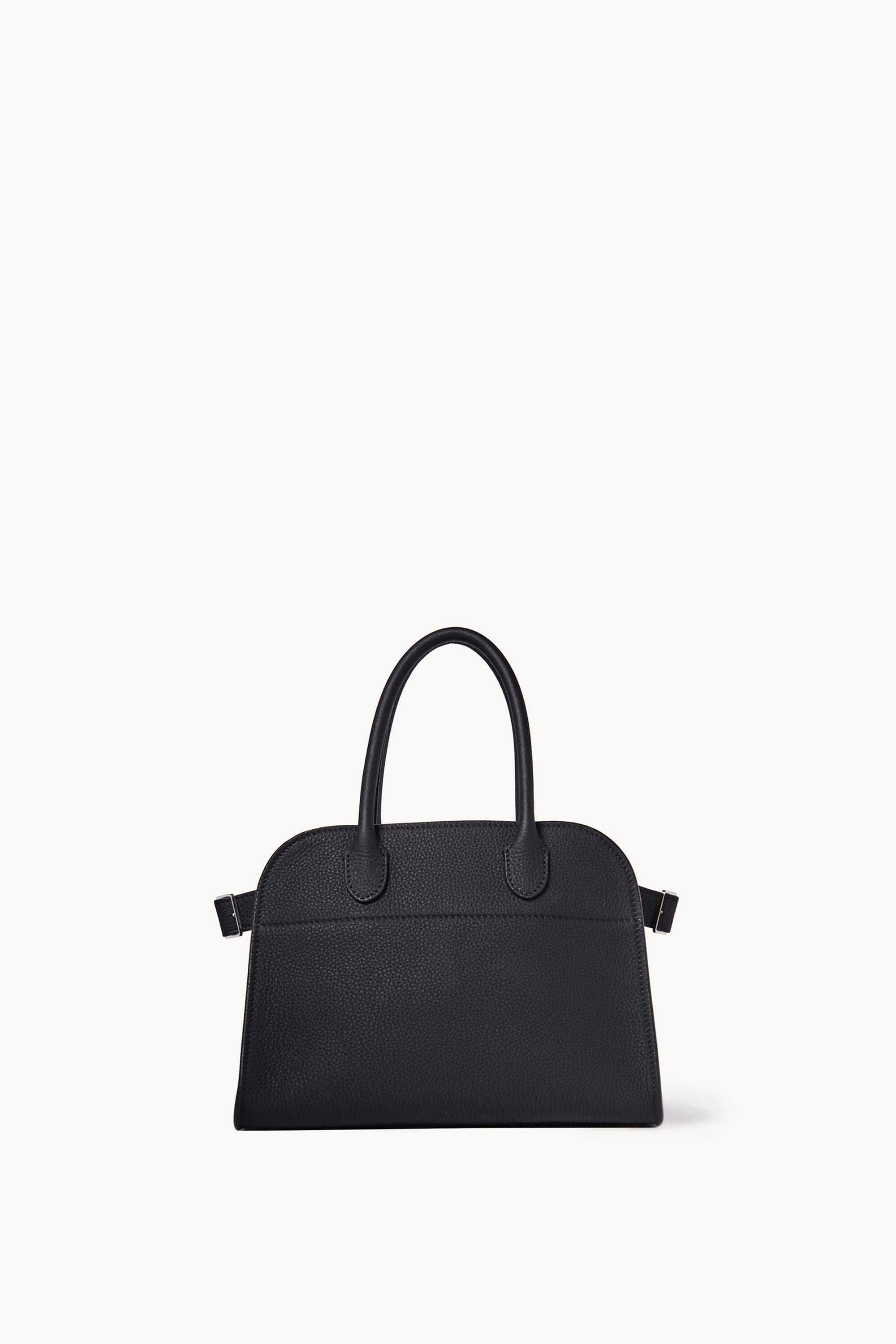
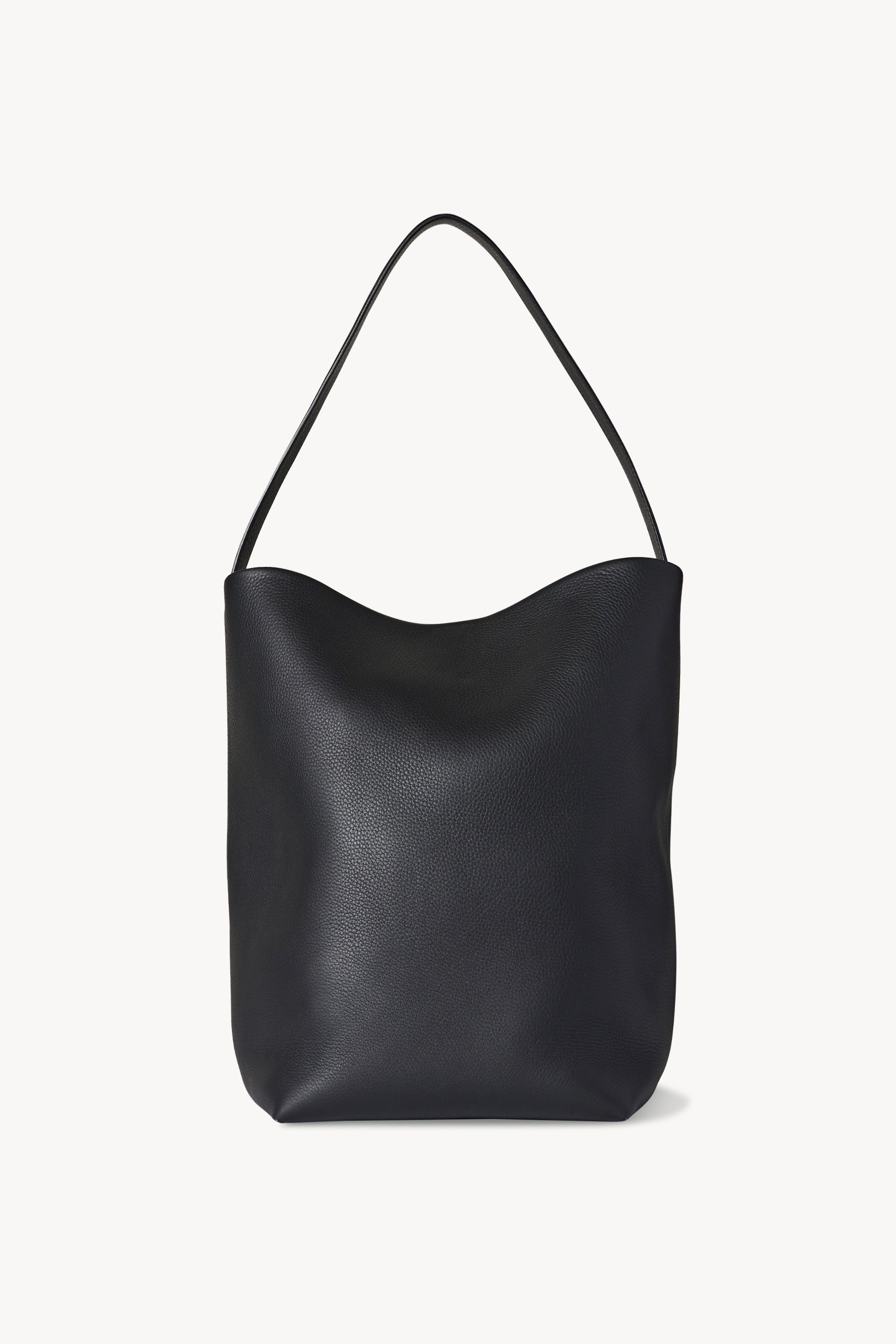
A bag should be functional before it becomes symbolic. The Soft Margaux 10 is softly structured, with belted gusseted sides, a removable shoulder strap, and an interior toggle; the Large N/S Park is a grained calfskin tote with a flat handle and tie closure. Their appeal comes from the same balance that runs through the clothing: the silhouette is clear, the material carries much of the expression, and the details are there to make the object easier to live with rather than louder to look at.
The company has grown while continuing to describe itself through slow, organic development. What does growth need to protect?
Growth has to preserve the pace of looking. The founders have described the brand’s early development as organic and have also spoken about keeping the creative process from being buried under unnecessary overhead. That is a practical challenge, not a romantic slogan. A larger company still needs room for fabric to change the direction of a silhouette, for a pattern to be corrected, and for a team to reject a piece that is merely acceptable. Scale is useful only when it protects the conditions that made the work distinctive.
After two decades, what makes The Row feel like one house rather than a collection of recognizable products?
Consistency does not mean repeating one shape forever. It means returning to a set of questions with enough discipline that the answers can change without the identity disappearing. How does a fabric move? What does a garment ask of the body? Can a familiar object become more useful through a small adjustment? The Row’s continuity comes from that process. The pieces may be quiet, but the decisions behind them are exacting.