Profile
David and Sybil Yurman: A Life in Art, Made Wearable
Hannah R. Harris / Nov 20, 2025

A veteran of American fashion on longevity, craft, and staying relevant.
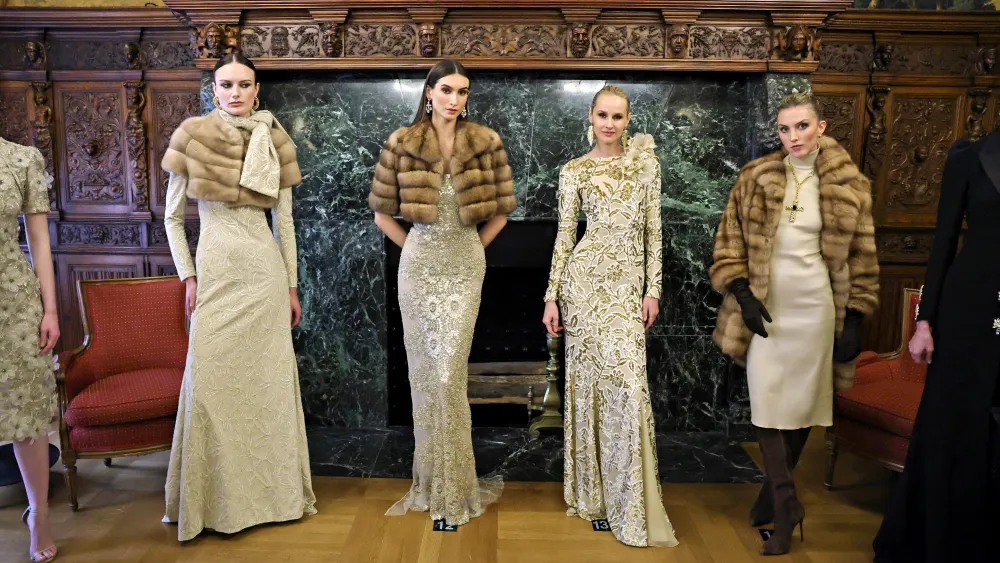
Longevity in fashion is often mistaken for endurance alone: staying visible, repeating a signature, surviving the next cycle. Dennis Basso's story suggests a more active definition. The New York-based designer has spent more than 35 years building a house around glamour, luxury materials, and a level of control that keeps the finished garment connected to the hand that conceived it.
The fifty seasons in this story's headline work as shorthand for that sustained presence, not as a literal count to be verified. What matters is the span: a career that began with fur and outerwear, expanded into ready-to-wear and evening, and continued to make room for accessories and home. Basso's longevity is not a refusal to change. It is the ability to change the perimeter of the house without dissolving its center.
Basso's original language was built around glamour. The brand's early story traces that instinct to the elegance of old Hollywood and to the desire to make the wearer feel extraordinary. That is a powerful foundation, but it can also become a trap. Glamour becomes dated when it is treated as a costume or a fixed archive rather than a way of thinking about proportion, finish, and occasion.
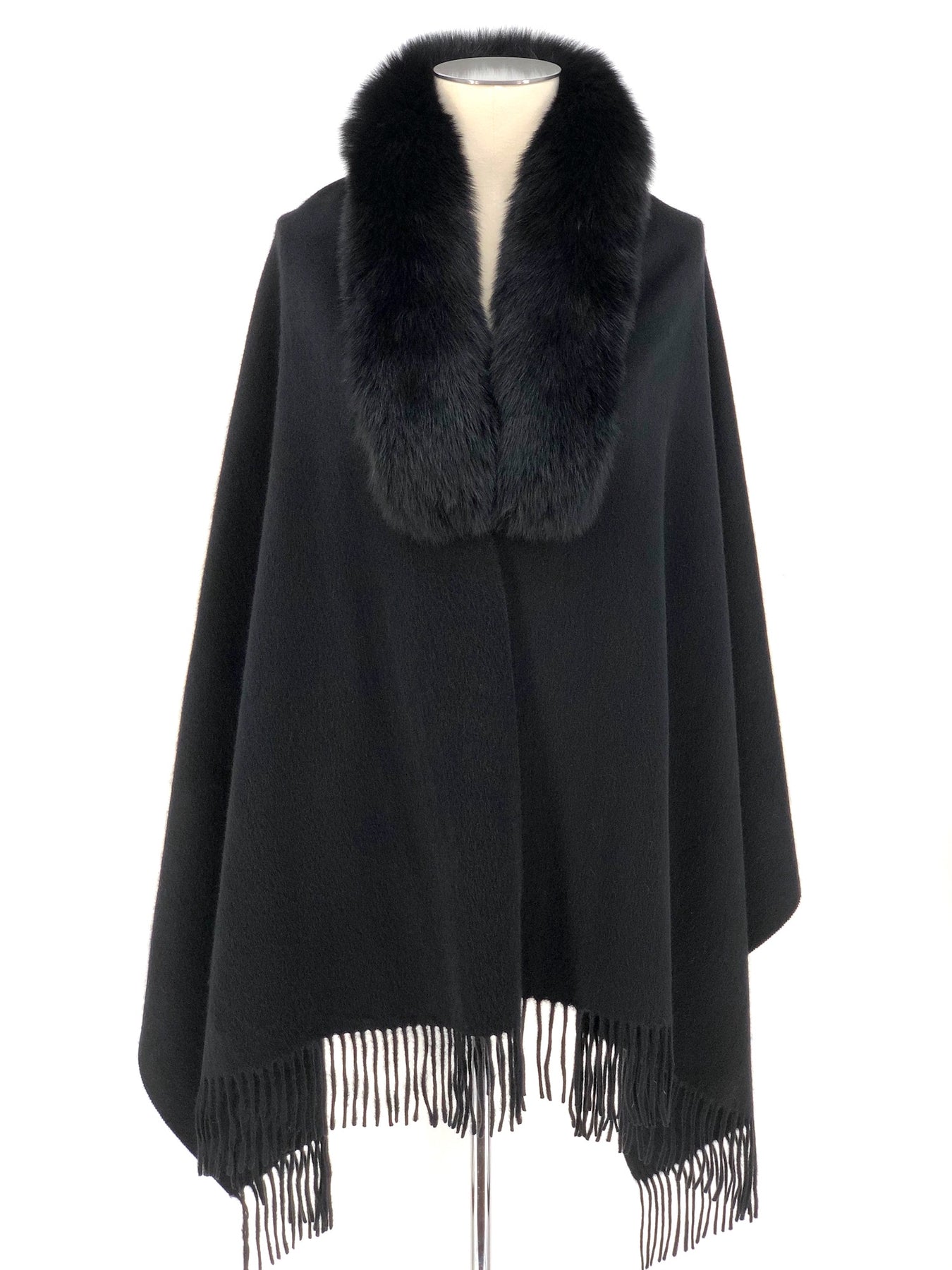
The house has kept the feeling while widening the vocabulary. Fur and outerwear remain part of its identity, but the offering also includes ready-to-wear collections, evening gowns, accessories, and home decor. The expansion reads as a practical answer to how a customer lives: luxury is not confined to one coat or one red-carpet entrance. It can organize a wardrobe, a room, or an entire approach to entertaining.
That breadth gives longevity a concrete form. A recognizable house must know what it stands for, but it must also understand where that point of view can travel. Basso's work has stayed anchored in opulence and elegance while allowing the categories around them to develop. Relevance, in this context, is not the pursuit of every trend. It is the continued translation of a signature into the present tense.
The most consequential detail in the Basso story may be the least theatrical: production is controlled in-house at the brand's facility in Long Island City. That arrangement places making close to authorship. It gives the house a direct relationship with construction, finishing, and quality rather than treating those stages as distant technicalities.
For a label whose identity depends on luxury materials and impeccable craftsmanship, control is not a romantic extra. It is a way to protect the promise made by the name. An in-house structure can make standards more visible and corrections more immediate. It can also preserve the knowledge that accumulates when a team works repeatedly with the same design language and the same expectations.
This matters especially in a business built to last. A garment intended to be cherished for years needs more than an impressive first impression. Its materials have to support the design; its construction has to withstand wear; its finishing has to reward close attention. The result is a kind of quiet confidence. The garment does not need to explain its quality because the quality is present in the way it holds together.
Basso's glamour is most persuasive when it is treated as an attitude toward experience. The clothes are associated with luxury and high polish, but the house's range suggests that glamour can operate at different scales. It may arrive as a dramatic piece of outerwear, an evening gown, or a carefully chosen accessory. It may also shape the atmosphere of a home.
That wider vocabulary helps explain how a fur-rooted label can remain legible across decades. The point is not that every category should look identical. It is that each category can carry the same belief in finish, occasion, and the pleasure of being seen. The house's signature is therefore less a single silhouette than a shared standard of presentation.
The approach also resists the idea that luxury must be quiet to be contemporary. Basso's work keeps room for abundance: rich materials, deliberate decoration, and the emotional charge of dressing up. In a fashion culture that often frames restraint as the only route to sophistication, that commitment feels newly useful. Glamour can be modern when it is made with precision and worn with intention.
The sources of Basso's inspiration are broad—travel, art, people, and architecture—and that breadth gives the house a way to refresh its visual language without abandoning its identity. Each source offers a different lesson in scale, surface, movement, or atmosphere. Together they keep the design process outward-facing.
The relationship with clients is equally important to the house's working method. Listening to what wearers want and what excites them creates a feedback loop between the atelier and the world beyond it. That does not reduce design to demand. It gives the designer a clearer sense of how glamour is being used now, which occasions still matter, and where a familiar code might benefit from a new proportion or material.
This is one of the less celebrated skills of a long career: knowing how to remain receptive. A house can have a deep archive without becoming trapped by it. It can acknowledge the power of its established language while continuing to look for the next image, the next texture, the next way a garment can make an entrance. Longevity depends on that balance between memory and curiosity.
Technology will continue to change the way fashion is designed, marketed, and experienced. Basso's stated view is that artificial intelligence may help brands understand customers and shape more relevant experiences. But that possibility keeps a boundary in view: fashion is emotional and narrative, and those qualities cannot be reduced to pattern recognition alone.
That boundary clarifies what in-house control protects. It is not only technical consistency. It is the human judgment behind the decisions: why a material belongs in a collection, why a finish deserves the extra attention, why a piece should feel glamorous rather than merely expensive. Technology may support the process, but the meaning of the work still depends on taste, touch, and context.
For Basso, staying relevant therefore does not require a choice between heritage and innovation. It requires a hierarchy. New tools can assist the house; they should not replace the standards that make the house recognizable. Expansion into accessories and continued growth in ready-to-wear can be understood in the same way: new avenues are valuable when they carry the core forward.
Fashion rarely gives a designer one stable definition of success. The market shifts, materials change, and the meaning of luxury is continually renegotiated. Dennis Basso's sustained career offers a more durable measure: the capacity to make adaptation feel like continuity.
The secret is not nostalgia. It is selectivity. Basso has kept glamour at the center, kept craftsmanship close to the business, and kept production control connected to the finished object. Around those commitments, the house has been able to move from fur and outerwear toward a broader world of ready-to-wear, evening, accessories, and home.
That is why the headline's fifty seasons land as an idea rather than an accounting exercise. They describe the accumulated effect of a recognizable point of view tested over time. The next decade will bring new technologies, new customer habits, and new definitions of occasion. A house with its standards in hand can meet them without becoming unrecognizable.
In the end, longevity is not the distance between a first collection and a latest one. It is the continuity a wearer can feel when the moment changes but the work still knows how to make an entrance.